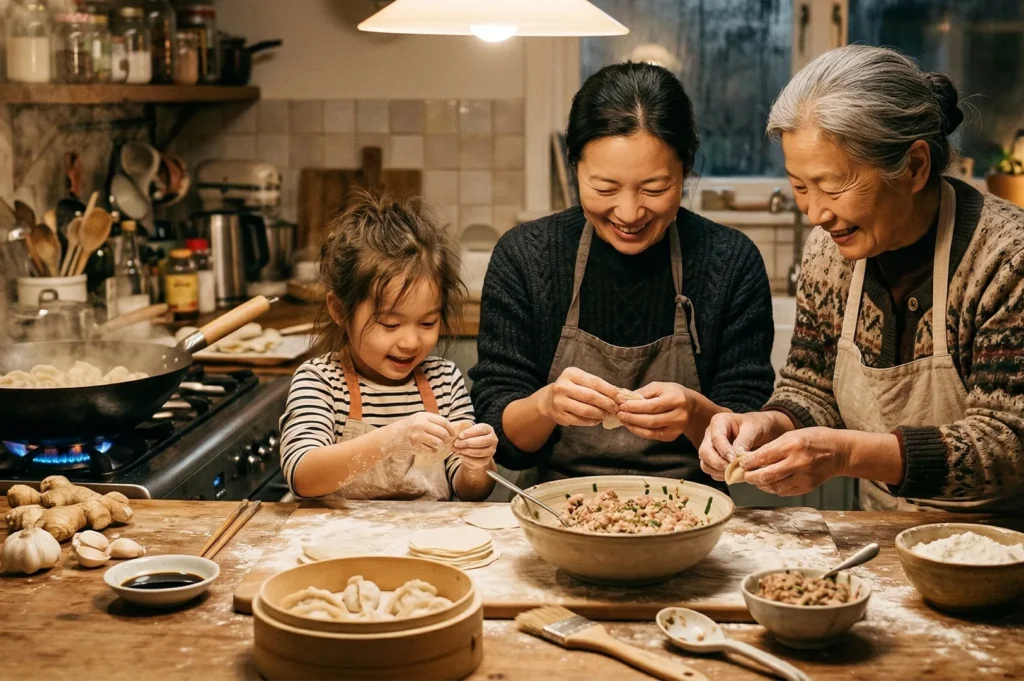
Whenever I smell toasted sesame oil hitting a hot wok, I am instantly transported back to a tiny, bustling kitchen from my childhood. The air would be thick with the aroma of ginger, garlic, and slow-simmering soy sauce. Before a single word was spoken, the meal was already telling a story.
For many of us, the kitchen is the true heart of the home. It is where we learn who we are and where we come from. When we explore the expansive, diverse realm of Asiatic food, we quickly realise it is about far more than just sustenance. It is a vibrant, living timeline.
Food acts as a bridge spanning decades, linking grandparents, parents, and children through a shared culinary journey. Every bowl of hand-pulled noodles and every steaming pot of broth carries the weight of history, survival, and love. Let us take a closer look at exactly how the simple act of preparing and sharing a meal binds us together across the generations.
Asiatic Food & Family: Culture at the Table
If you want to understand a culture, watch how it eats.
In many Asian households, the greeting isn’t “How are you?” — it’s “Have you eaten?” That question reveals the central role of asiatic food in daily life. Food is not peripheral. It is structure. It is care. It is continuity.
Across south east asia, south asia, and even into central asia and the middle east, the table becomes a site of memory transmission. A meal is rarely just sustenance. It is inheritance.
I remember visiting relatives in Singapore and noticing that no one ever ate alone. Even a simple bowl of rice and soup became communal. Plates of vegetables, braised pork, and stir-fried noodles would appear instinctively, turning a modest dinner into a shared ritual.
Lunar New Year Feasts: Chinese Food, Dim Sum & Symbolism
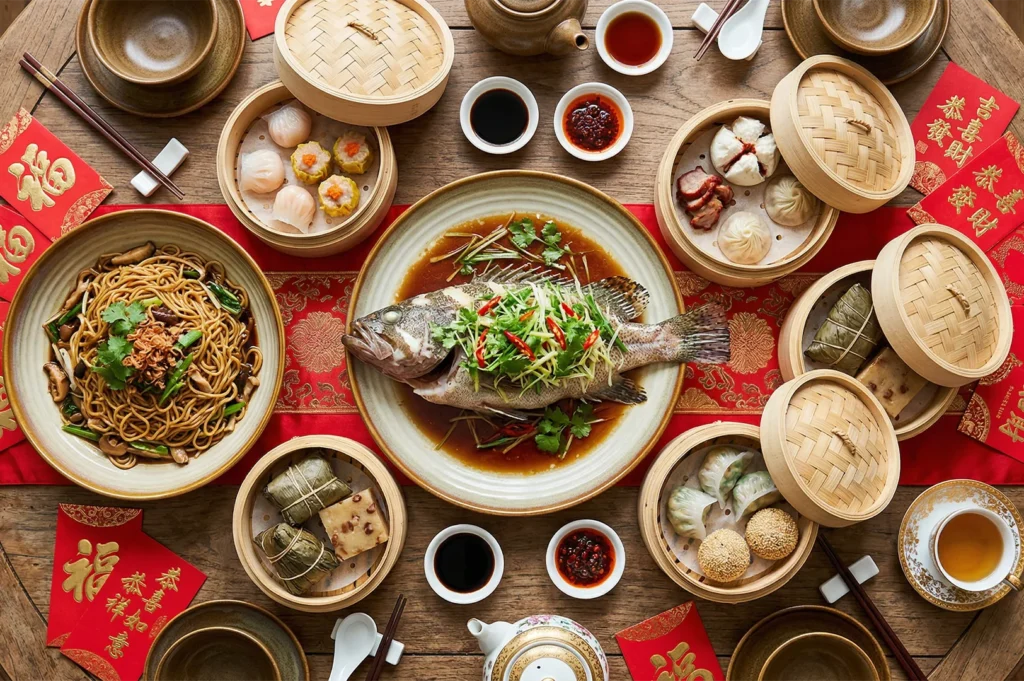
During Lunar New Year, the symbolism of chinese cuisine becomes explicit. Every traditional dish carries encoded meaning.
Whole Fish with Soy Sauce & Black Pepper
A whole fresh fish is always served intact — head and tail — symbolising surplus.
- Flesh: tender, flaky, subtly sweet
- Sauce: warm soy sauce infused with scallions
- Finish: light dusting of black pepper
The steam rises gently. The aroma is clean and marine. Someone always claims the cheek meat — the most tender bite.
Long Noodles
Uncut egg noodles or rice noodles glide across chopsticks, coated lightly in oil.
They are never sliced — length equals longevity.
I remember being scolded once for breaking a strand. It wasn’t about etiquette; it was about hope.
Dumplings & Dim Sum
Dumplings resemble ancient ingots — wealth rendered edible.
Plates of dim sum expand the table:
- Sesame seeds scattered over buns
- Fillings of minced pork or beef
- Wrappers pleated with careful food styling
This is chinese food as edible metaphor.
The Japanese Tea Ceremony & Japan Sushi: Precision in Restraint
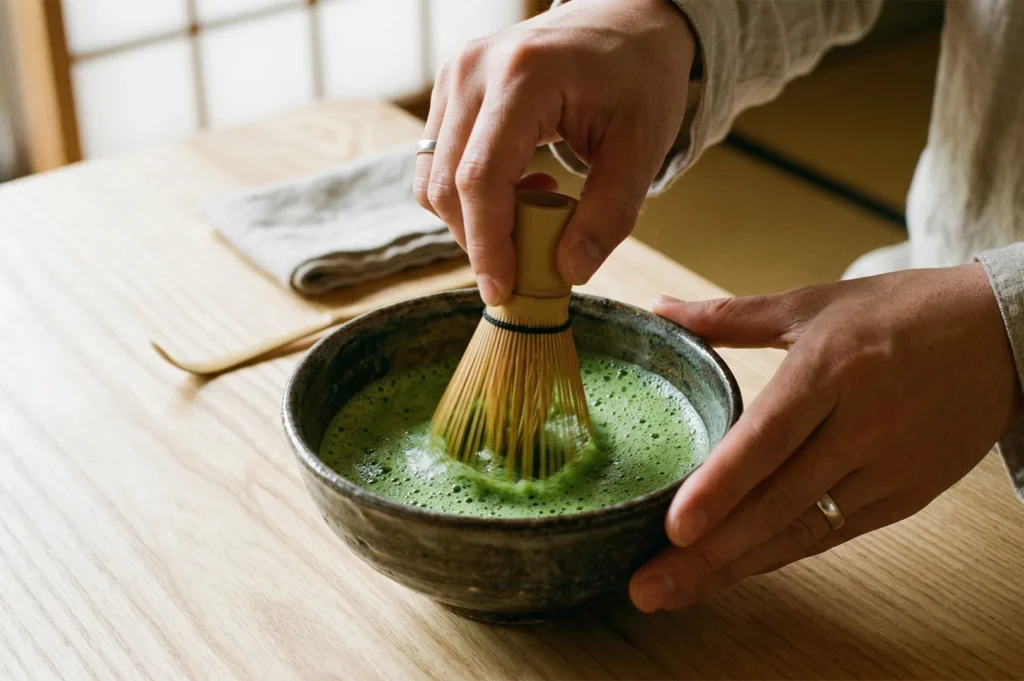
Not all rituals are loud.
The Japanese tea ceremony — chanoyu — is the opposite of a banquet. It is controlled, meditative. The bowl of matcha is whisked until frothy, grassy, slightly bitter.
The philosophy of ichigo ichie — one time, one meeting — frames the experience.
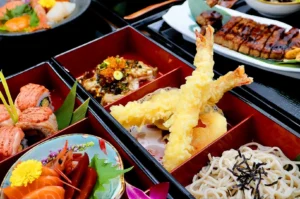
Similarly, in japan sushi, precision defines value. A slice of fresh fish over vinegared rice must balance temperature, pressure, and timing. A sliver of pickled ginger cleanses the palate between bites.
Silence is part of the culinary traditions here. The focus narrows.
Whether it is exuberant chinese cuisine or quiet sushi, these forms of asiatic food slow us down.
Recipes as Heirlooms: Pork Belly, Fried Tofu & Sensory Memory
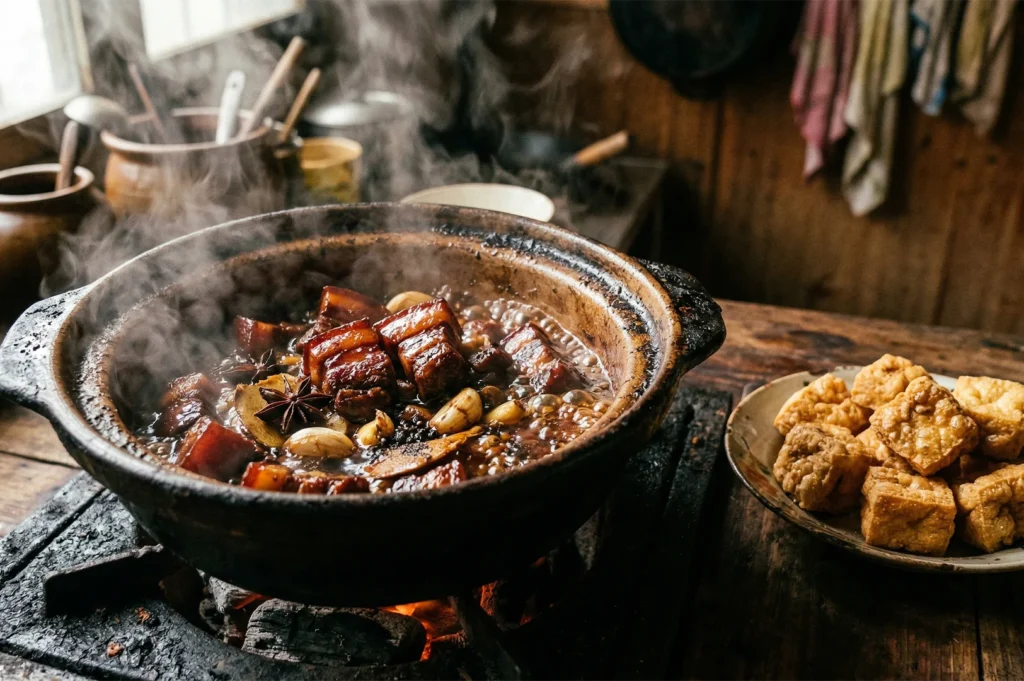
We often think heirlooms are objects. But the most durable inheritances are traditional recipes.
I remember trying to document my aunt’s braised pork belly — glossy, mahogany cubes simmered in dark soy sauce, star anise, and garlic.
When I asked for measurements, she laughed.
“Until it looks right.”
That answer frustrated me — until I realised she was teaching through sensation.
You learn:
- The exact shade of golden-brown during deep frying
- The aroma of shrimp paste blooming in coconut milk
- The crisp exterior and custardy centre of fried tofu
Across southeast asian cuisine, these skills are transmitted shoulder-to-shoulder, not via textbooks.
From Central Asia to Southeast Asia: Evolution of Traditional Dishes
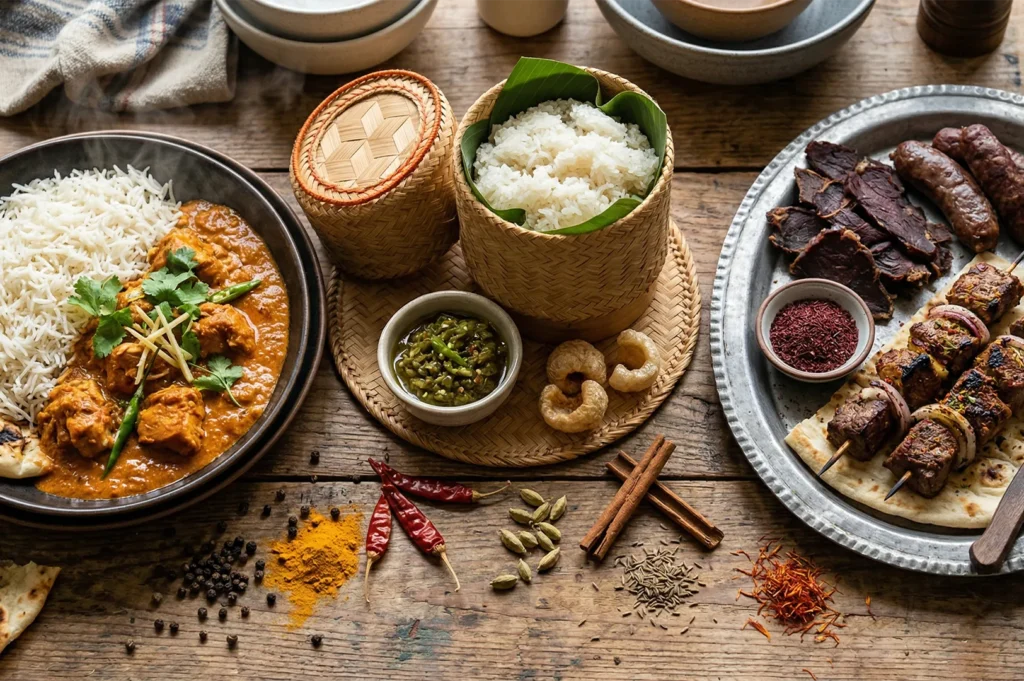
Migration reshapes flavour.
In south asia, basmati rice functions as staple food — long, aromatic grains forming the base of curry and beef dishes. In bangladeshi cuisine, rice is paired with fish stews and lentils.
Move east into southeast asia, and sticky rice dominates certain regions, especially in northeastern thailand, often paired with grilled meats and spicy dips.
Further north, mongolian cuisine in central asia emphasises lamb, dairy, and dried meats — climate-driven adaptation.
Consider tandoori chicken from the clay tandoor oven in South Asia:
- Yogurt marinade
- Aromatic spices
- Glaze of clarified butter
Contrast that with grilled chicken in southeast asia, brightened with lime juice, herbs, and often slightly caramelised with palm sugar.
These differences are not contradictions. They are regional responses to climate, trade, and ingredient availability.
Communal Cooking: Fried Rice, Peking Duck & Shared Labor
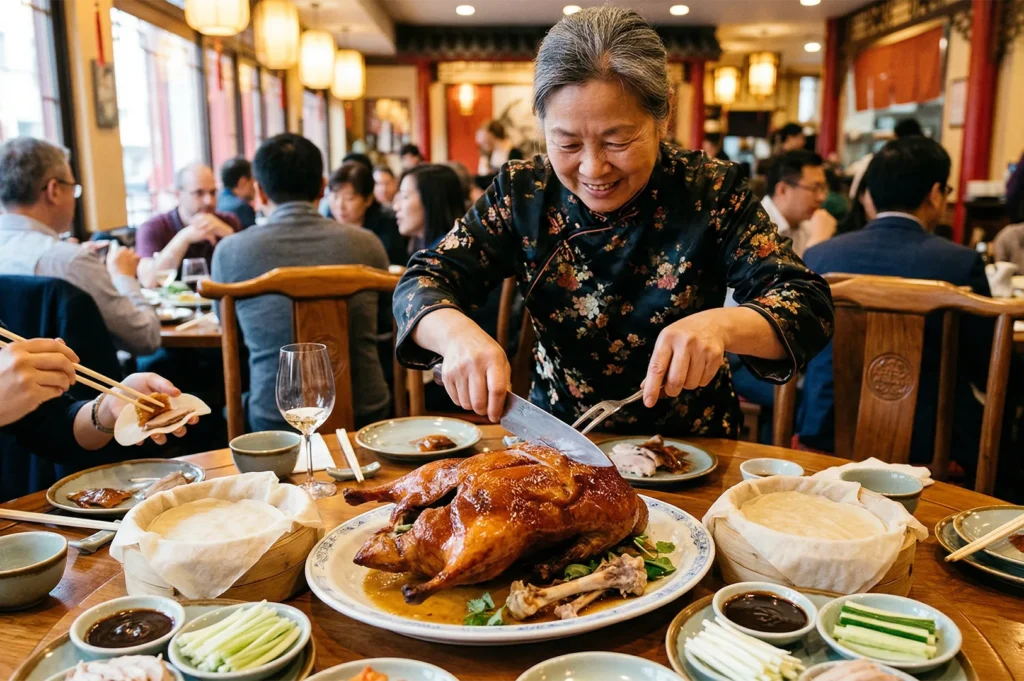
Family dining in Asian cultures is rarely individual plating.
It is collective action.
Hot Pot & Shared Soup
A pot of bubbling broth sits at the centre. Plates of raw vegetables, bean sprouts, sliced beef, and succulent meat circulate. Everyone participates in the cooking.
Fried Rice & Mixed Rice
A wok of fried rice — grains separated, lightly charred, flecked with fried egg — becomes a neutral base for bolder side dishes.
Mixed rice stalls in Singapore display trays of curries, braised tofu, stir-fried greens. You point. They scoop. A custom meal forms.
Peking Duck
When peking duck arrives, carved at the table, the crisp skin fractures audibly. Thin pancakes wrap slices of duck with scallions and sauce.
You assemble your own bite.
Participation deepens connection.
Street Food & Bánh Mì: Regional Specialties on the Move
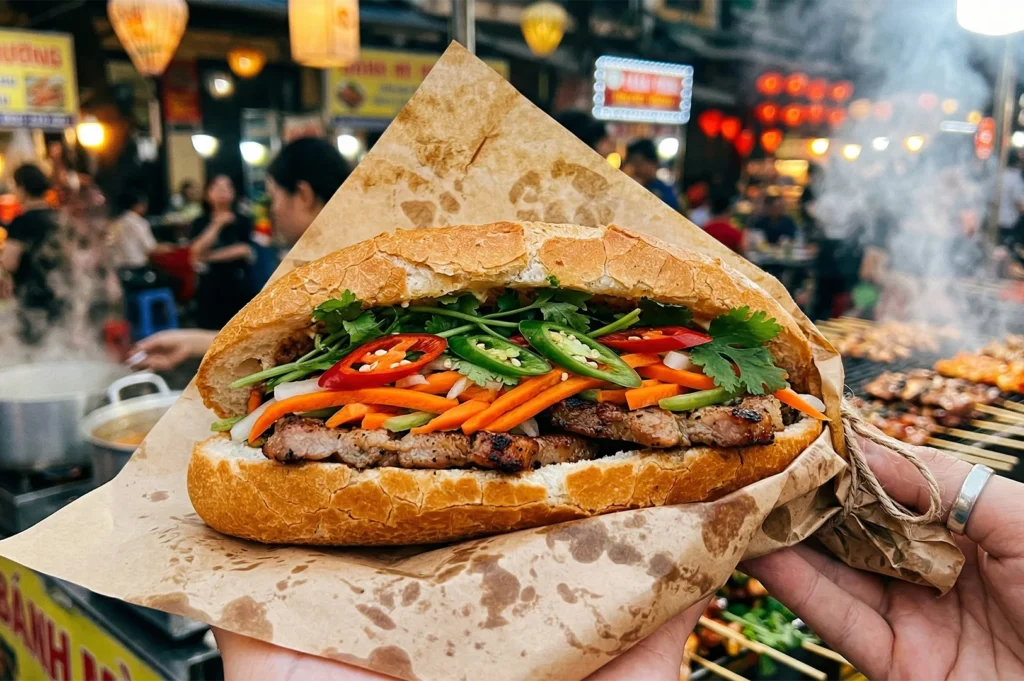
Beyond formal banquets, street food sustains everyday life.
In Vietnam, the bánh mì sandwich — crusty baguette, grilled pork or chicken, pickled vegetables, herbs — reflects colonial history layered onto local taste.
The bread shatters. The filling is juicy, slightly spicy, sharpened with lemon juice or vinegar.
In night markets across south east asia, skewers of grilled chicken, bowls of rice noodles, and soups perfumed with spices define urban rhythm.
These popular dishes are portable archives of migration.
The Unspoken Language of Love: Food as Affection
Affection in many Asian families is rarely verbal. It is plated.
- A grandmother sliding the best piece of fresh fish onto your bowl of white rice
- A parent peeling fruit late at night
- A sibling saving you the crispiest piece of fried chicken
These gestures are quiet but profound.
I remember once reaching for the last cube of pork and noticing it had already been placed on my plate. No announcement. Just intention.
The table teaches generosity.
Preserving Asiatic Food in a Modern World
Urban life accelerates. Six-hour stocks feel unrealistic. Delivery apps dominate.
But adaptation is part of culinary traditions.
Modern Preservation Methods
- Batch cooking dumplings or curry pastes for freezing
- Pressure cookers replicating slow braises
- Documenting elders on video to archive traditional recipes
Even viral clips showing perfect stir fried fried rice or precise food styling of dumplings serve preservation.
The renaissance of asiatic food lies in evolution, not rigidity.
The Enduring Power of the Dinner Table
Ultimately, Asiatic food is a testament to resilience and connection. It survives wars, migrations, and the relentless march of time because we refuse to let the flavours of our childhood fade away. Every time we take the time to prepare a traditional meal, we are honouring the hands that originally taught us how to cook.
Food is the thread that seamlessly stitches the generations together. It provides comfort in times of sorrow, joy in times of celebration, and a deep, grounding sense of belonging no matter where in the world we find ourselves.
What is your family’s most treasured recipe? Is there a specific dish that instantly transports you back to your childhood kitchen? I would love to hear your stories. Dive into your own family history, ask your elders for their hidden culinary secrets, and get into the kitchen. The best way to honour the past is to ensure it has a place at your table today.
Asian food, with its rich tapestry of flavors and traditions, continues to inspire and unite people across the globe. Whether enjoyed in a bustling city street or a quiet home kitchen, it reminds us of our shared humanity and the power of food to bridge cultures and generations.

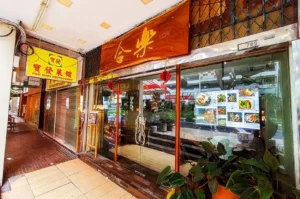
Hup Lok at Havelock Road: A Teochew Fish Soup Carrying Memory Forward
Eda Wong | September 8, 2026
The bowl arrives before anything else does. Steam lifts off it in slow ribbons, carrying the smell of ginger and something warmer underneath: the round, boozy note of hua tiao wine settling into fish. I lean in before I even pick up my spoon. The broth is pale gold and cloudy, thick enough that it…
-
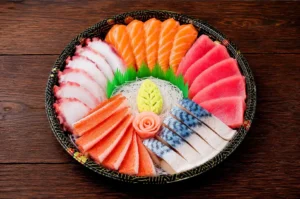
Fresh Sashimi Singapore: Places for Clean Cuts, Quiet Counters, and Fish That Still Feels Alive
Eda Wong | September 5, 2026
I didn’t grow up eating raw fish. For years, sashimi felt like something you learned to appreciate rather than something you loved. Cold, foreign, a little intimidating. Then one afternoon, at a quiet counter, a chef placed a single slice of chutoro in front of me and said nothing. I ate it. And I understood….
-
Pattaya Garden Restaurant and the Thai Meal That Knows How to Feed a Group
Eat Drink Asia Team | September 3, 2026
The rice came down first. A plain bowl, warm and steaming, set in the middle of the table before anything else. Then the green curry, in a bowl wide enough for four spoons to reach at once. And within a minute the table stopped being a set of individual meals and became one shared thing,…
-
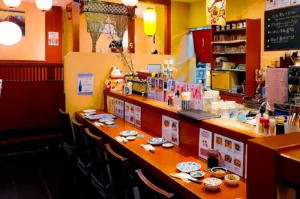
At Keria Japanese Restaurant, the Meal Begins Before the First Bite
Dio Asahi | September 3, 2026
By Dio Asahi for Eat Drink Asia. The lift opens onto a corridor leading to the famed and hidden Cuppage Plaza food, and the building’s age shows in the flickering fluorescent light and the smell of old carpet. Then a sliding door pulls back, and Keria Japanese Restaurant asks you to slow down. Inside, it…
-
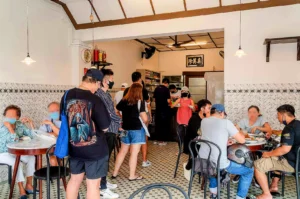
The Round Kaya Bun at Chin Mee Chin Confectionery, and the Mornings It Keeps
Eda Wong | September 2, 2026
By Eda Wong for Eat Drink Asia. It’s not quite eight, and the pastel-blue shophouse is already awake. Kopi cups clink against saucers. A ceiling fan turns slow overhead. Someone folds a newspaper at a marble-topped table, and the man behind the counter moves without hurry, sliding buns across in a rhythm he’s clearly done…
-
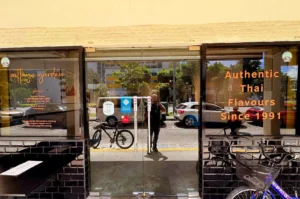
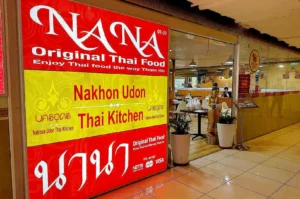
Nana Original Thai Food and the Thai Meal That Keeps Changing Its Accent
Eda Wong | September 1, 2026
The tom yum arrived first, and the first spoonful hit sour and hot at once, lime and chilli chasing each other down the throat. This classic Thai dish features a spicy sauce and aromatic herbs that awaken the taste buds straight away, setting the stage with its bold flavors. Then the pineapple rice came, sweet…
-
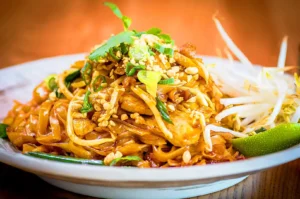
Pad Thai Recipe for People Who Know the Noodles Can’t Be an Afterthought
Dio Asahi | August 29, 2026
The first time I made Pad Thai, I ruined it before the wok was even hot. I’d left the noodles soaking while I answered a phone call. Ten minutes turned into forty. By the time I drained them, they were already soft, already surrendered. Everything I did in the pan after that was damage control….
-
Best Japanese Restaurant Singapore: Places That Nail the “First Bite”
Eat Drink Asia Team | August 27, 2026
I built this list around a very specific feeling: that first bite where the room goes quiet for a second. I’ve tried enough Japanese restaurants in Singapore over the years to know that “best” does not always mean the most expensive, the rarest, or the hardest to book. Sometimes it is the warmth of the…
-
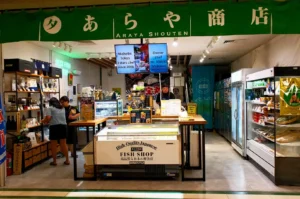
Not Just Seafood: How Araya Shouten Keeps Japanese Fishing Culture Alive in Singapore
Eat Drink Asia Team | August 26, 2026
Japanese cuisine has long been admired for its attention to seasonality, precision, and respect for ingredients. However, behind every piece of sashimi or carefully prepared seafood dish lies a story that begins far away from the dining table, often with fishermen, coastal communities, and generations of knowledge passed down through time. At Araya Shouten, seafood…
-
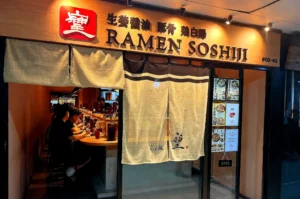
The Ginger Shoyu Ramen at Ramen Soshiji, Where Orchard Goes Quiet
Dio Asahi | August 26, 2026
By Dio Asahi for Eat Drink Asia. The lift opens on the third floor of Orchard Plaza, and for a second I don’t know which way to turn. The corridor is dim and still, the kind of quiet that feels almost accidental in this part of town. A few doors down, an unmarked entrance. Inside,…