Few Japanese dishes have travelled as successfully across Asia as sushi.
What began as a culinary tradition deeply rooted in Japan has evolved into something remarkably diverse in Singapore. Today, sushi in Singapore can mean many different things. It can be a quick lunch grabbed from a conveyor belt restaurant, a carefully curated omakase meal showcasing premium seafood, or a sushi box delivered straight to your home after a long workday.
This variety is one reason Singapore sushi culture continues to thrive. The city has embraced sushi in ways that make it accessible to almost everyone, regardless of budget or dining preference. From affordable chains such as Sushi Express and Genki Sushi to premium sushi bars focused on craftsmanship and seasonality, there is no single way to experience sushi Singapore. For readers interested in exploring the more luxurious side of Singapore’s sushi culture, discover more.
The result is a dining landscape that feels both distinctly Singaporean and deeply connected to Japanese culinary traditions.
Sushi in Singapore Has Become Part of Everyday Dining
There was a time when sushi was viewed primarily as a special occasion meal. Today, it has become part of everyday dining for many Singaporeans.
Walk through almost any shopping mall and you will likely encounter a sushi restaurant serving everything from nigiri and sashimi to noodles, handrolls, and Japanese desserts. The popularity of Japanese food has transformed sushi from a niche dining experience into something people regularly enjoy for lunch, dinner, or even a quick snack.
This accessibility has helped sushi become woven into daily life. Whether someone is craving salmon sashimi on a Saturday afternoon or ordering a simple sushi box after work, the options are widely available throughout Singapore.
Sushi Express, Genki Sushi and the Rise of Affordable Sushi
One of the most significant developments in sushi in Singapore has been the rise of affordable sushi chains.
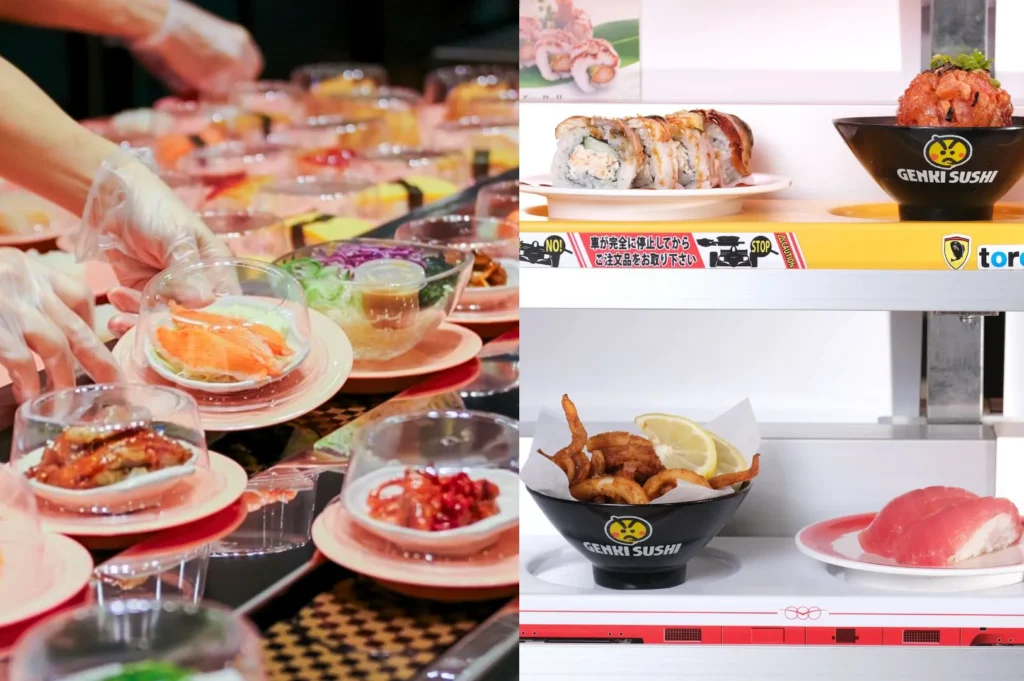
Brands such as Sushi Express and Genki Sushi introduced a format that made sushi approachable for a much broader audience. Conveyor belts, digital ordering systems, and efficient service reduced barriers that once made Japanese dining feel intimidating.
Several factors contributed to their success:
- Affordable pricing
- Convenient locations
- Quick service
- Consistent menu offerings
- Family-friendly dining environments
For many people, these restaurants became their first introduction to sushi. A plate of tuna, salmon, or aburi sushi could be enjoyed without the commitment of a premium restaurant experience.
This shift helped normalise sushi as an everyday meal rather than an occasional luxury.
Itacho Sushi, Sushi Tei and the Middle Ground
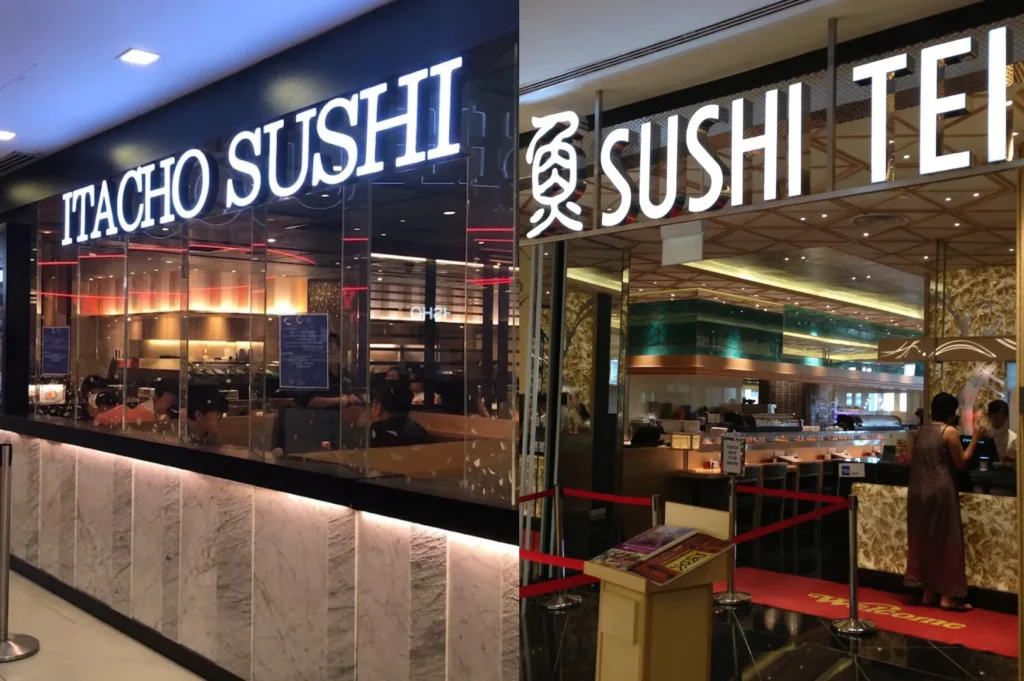
Between affordable chains and luxury omakase experiences sits a category that has become particularly popular among Singapore diners.
Restaurants such as Itacho Sushi and Sushi Tei offer broader menus while maintaining a stronger focus on ingredient variety and dining atmosphere. These restaurants often feature larger selections of sashimi, cooked Japanese dishes, seasonal seafood, and specialty items that appeal to diners looking for more than a quick meal.
Unlike conveyor-belt concepts, these restaurants encourage guests to spend more time exploring different flavours and combinations.
A typical meal may include:
- Fresh sashimi
- Aburi sushi
- Japanese noodles
- Seasonal seafood dishes
- Desserts
- Sake pairings
This middle segment has played an important role in shaping Singapore’s sushi culture by providing a balance between accessibility and quality.
Why Aburi Sushi Has Become So Popular
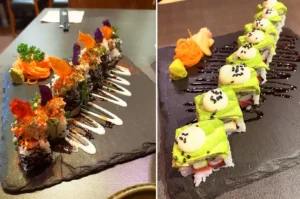
Among the many sushi trends to emerge in Singapore, few have gained as much popularity as aburi sushi.
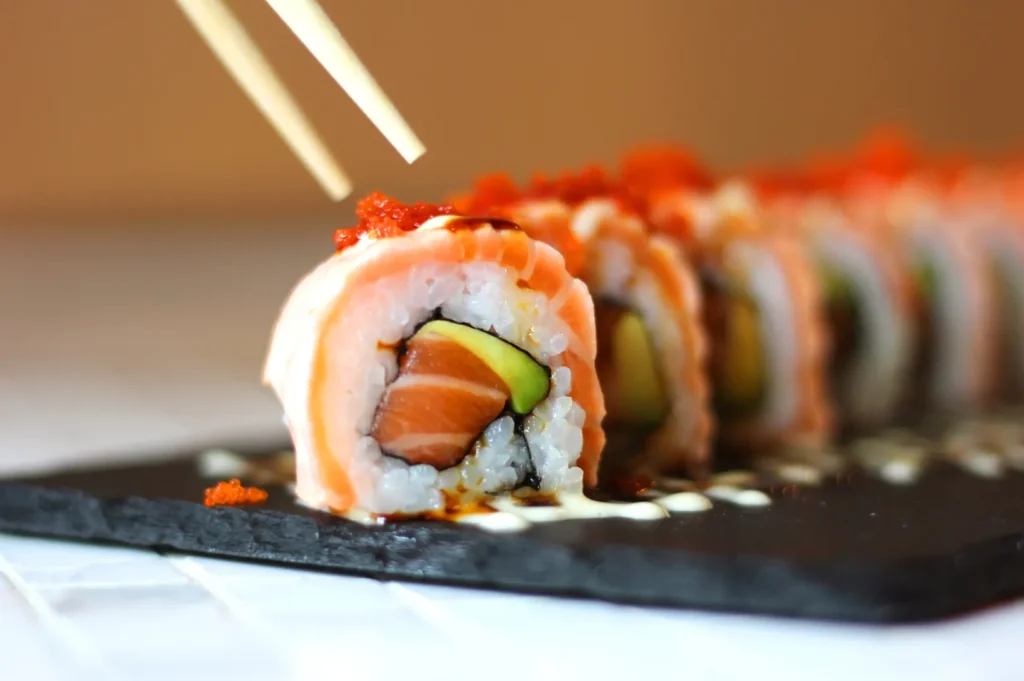
The technique involves lightly torching the surface of the fish, creating a subtle smokiness while enhancing texture and aroma. For diners who may be hesitant about completely raw fish, aburi offers a comfortable middle ground.
Salmon remains one of the most popular choices, although tuna and other seasonal fish are increasingly featured in aburi preparations.
Its popularity also reflects how Singapore’s dining preferences continue to evolve. Diners often enjoy flavours that are bold, aromatic, and visually appealing. Aburi sushi manages to satisfy all three while remaining rooted in Japanese culinary techniques.
Sushi Bars and Omakase Offer a Different Perspective
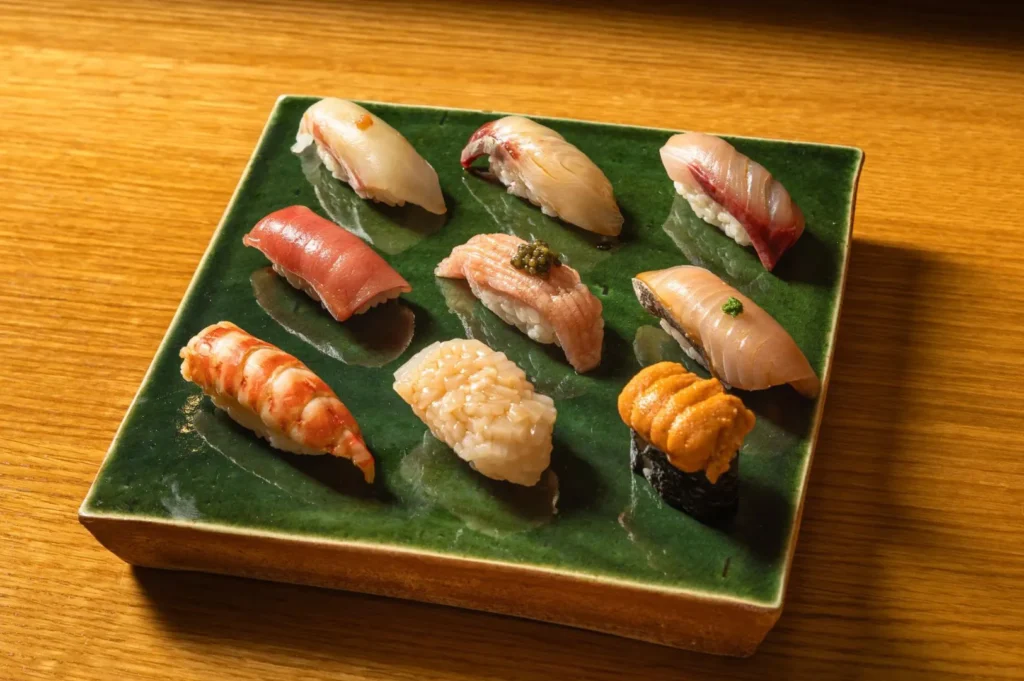
While affordable sushi continues to dominate shopping malls and neighbourhood centres, Singapore has also developed a sophisticated omakase scene.
At a premium sushi bar, the focus shifts from convenience to craftsmanship.
A key aspect of sushi preparation is shari, or sushi rice. While many diners naturally focus on the fish, experienced chefs often view the rice as equally important. The balance of seasoning, texture, and temperature plays a significant role in how the sushi is experienced.
Knife work also becomes increasingly important at this level. Different cuts influence texture, mouthfeel, and flavour release. Premium seafood such as fatty tuna, seasonal fish, and uni are handled with remarkable precision.
The philosophy behind omakase dining revolves around trust. Diners allow the chef to curate a meal based on the freshest seasonal ingredients available that day.
For readers interested in exploring this side of Singapore’s sushi culture further, there are plenty of resources that break down what separates a good omakase experience from a truly exceptional one, especially when exploring the Best Omakase Singapore offers.
From Holland Village to Home Delivery
Another reason sushi remains so popular is its adaptability.
Whether dining in Holland Village, visiting a shopping mall such as JEM, or ordering food at home, sushi fits naturally into a variety of lifestyles.
The growth of sushi delivery services has expanded this flexibility even further. Diners can now enjoy sushi platters, sashimi selections, handrolls, and Japanese dishes without visiting a restaurant.
This convenience has transformed sushi from a destination meal into something that can be enjoyed almost anywhere.
For busy professionals, families, and casual diners alike, the ability to order high-quality Japanese food with ease has become part of sushi’s enduring appeal.
Why Singapore’s Sushi Scene Continues to Thrive
What makes sushi in Singapore unique is not any single restaurant or dining format. It is the sheer diversity of experiences available.
Someone looking for a quick and affordable meal can visit Sushi Express. Another diner seeking a leisurely dinner may choose Itacho Sushi or Sushi Tei. A food enthusiast exploring Japanese culinary craftsmanship may reserve a seat at a premium sushi bar.
All of these experiences exist within the same city, often just minutes apart.
This range reflects Singapore’s broader dining culture: one that values accessibility while continuing to appreciate quality, craftsmanship, and tradition.
As sushi continues to evolve, it remains one of the clearest examples of how a culinary tradition from Japan can adapt, grow, and thrive within a new cultural landscape.
The result is a sushi scene that offers something for nearly every palate, occasion, and budget. For those interested in the broader Japanese dining culture in Singapore, including izakaya, see Eat Drink Asia’s article on Izakaya Singapore Culture for a great complement to the local food scene.

Popular Korean Cuisine Has a Memory: Why Famous Korean Food Feels So Complete
Eat Drink Asia Team | August 11, 2026
The first time I ordered kimchi jjigae in Singapore, I made a small mistake. It came bubbling in a stone pot, and I ate it like soup, spoonful after spoonful, straight down, until my mouth was on fire and the bowl was half gone. The auntie across the counter watched me for a moment, then…
-
Raffles Place Food Has the Restaurants That Understand the CBD Lunch Rush
Eda Wong | August 8, 2026
I used to think lunch in the CBD was a lost cause. You get an hour, maybe less. The lift takes ten minutes just to reach the ground floor. By the time you’ve queued, ordered, and found a corner to eat in, you’re already checking the clock. For a while, I gave up and just…
-
The Tamarind Sourness Inside a Filipino Sinigang Pot
Eda Wong | August 7, 2026
By Eda Wong for Eat Drink Asia. The pot has been going for a while now, and the whole kitchen knows it. Steam curls up from the surface, carrying that sharp-sour smell that reaches you before anything else. It’s not a gentle aroma. It pricks at the back of your throat a little, makes your…
-
Vegetarian Asian Dishes at The Boneless Kitchen: A Korean Meal Built on Kimchi, Rice, and Restraint
Dio Asahi | August 6, 2026
I didn’t expect to find Korean comfort food in an office building near Tai Seng. But there I was, on a Wednesday a little past 7pm, standing outside The Commerze @ Irving wondering if I’d read the address wrong. This isn’t the part of Singapore you go to for dinner. It’s the part you leave…
-
The Soy Glaze on Kyoto’s Forgotten Rice Crackers
Dio Asahi | August 5, 2026
By Dio Asahi for Eat Drink Asia. The old man works close to the coals, and the smell reaches me before I see what he’s doing. Soy meeting heat. That dark, caramel-edged smell that tightens something in your chest. His brush moves in short strokes across a rack of rice crackers, back and forth, patient….
-
Vegetarian Laksa Without the Usual Seafood Shadow: Asian Vegetarian Recipes Begin With the Broth
Eat Drink Asia Team | August 4, 2026
The first vegetarian laksa I made tasted like coconut soup with chilli, not laksa. I thought I was doing it right, stirring paste into warm coconut milk with tofu puffs. It looked the part but lacked depth. Seafood usually provides that depth, prawn shells, dried shrimp, fish cake sweetness. I learned that depth can’t be…
-
A Bowl Built by Hand at Hi Noodle, Three Floors Below Somerset
Eda Wong | July 31, 2026
The escalator carries me down to Basement 3, past the lunch noise of 313 Somerset, and the air changes somewhere along the way. Less mall, more kitchen. The smell finds me first — chilli, vinegar, something warm and sharp that cuts through the perfume of the shops above. Hi Noodle sits there, plain and bright….
-
An Asian Vegetarian Meal at Herbivore Japanese Vegetarian Restaurant: When Japanese Comfort Food Learns a New Body
Eda Wong | July 30, 2026
I didn’t grow up eating eel. But I grew up watching my grandmother turn one thing into another — gluten into “duck,” beancurd skin into “fish,” mushrooms into something that tasted of the sea without ever touching it. Buddhist vegetarian cooking does that. It doesn’t pretend so much as it remembers, building familiar shapes out…
-
A Table for One, and a Grill That Belongs to You in Yakiniku Like
Dio Asahi | July 29, 2026
The grill glows orange in front of me before the meat arrives. It’s a small thing, set into the counter at my single seat, and it hums faintly under the chatter of the room. No flame. No charcoal. Just a low electric warmth I can feel rising toward my face. A plate comes. Thin slices…
-
Best Buffet Singapore: Where Hotel Buffets Turn Abundance Into Order
Dio Asahi | July 28, 2026
I used to think buffets were about greed. Pile the plate high, go back for thirds, leave feeling like you got your money’s worth. That was the whole game, or so I believed. After years of exploring this city’s hotel buffets, I learned the good ones focus on order. They transform a wall of food…