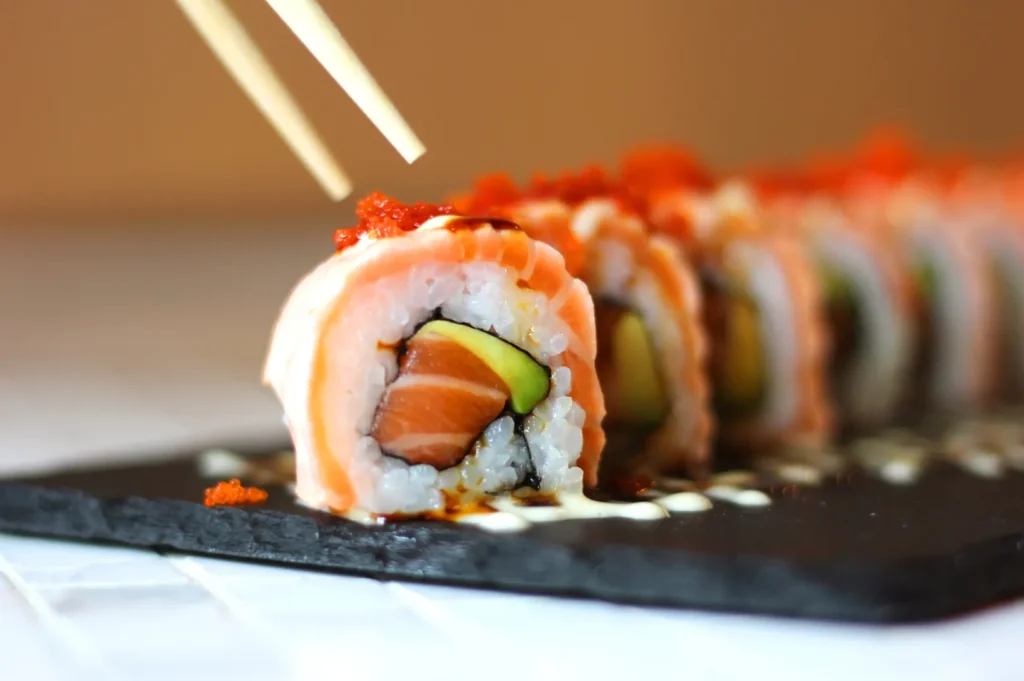
Few Japanese dishes have travelled as successfully across Asia as sushi.
What began as a culinary tradition deeply rooted in Japan has evolved into something remarkably diverse in Singapore. Today, sushi in Singapore can mean many different things. It can be a quick lunch grabbed from a conveyor belt restaurant, a carefully curated omakase meal showcasing premium seafood, or a sushi box delivered straight to your home after a long workday.
This variety is one reason Singapore sushi culture continues to thrive. The city has embraced sushi in ways that make it accessible to almost everyone, regardless of budget or dining preference. From affordable chains such as Sushi Express and Genki Sushi to premium sushi bars focused on craftsmanship and seasonality, there is no single way to experience sushi Singapore. For readers interested in exploring the more luxurious side of Singapore’s sushi culture, discover more.
The result is a dining landscape that feels both distinctly Singaporean and deeply connected to Japanese culinary traditions.
Sushi in Singapore Has Become Part of Everyday Dining
There was a time when sushi was viewed primarily as a special occasion meal. Today, it has become part of everyday dining for many Singaporeans.
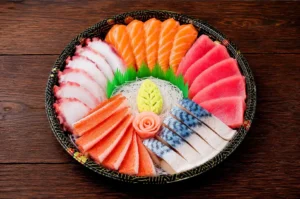
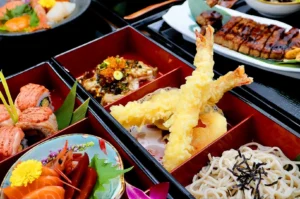
Walk through almost any shopping mall and you will likely encounter a sushi restaurant serving everything from nigiri and sashimi to noodles, handrolls, and Japanese desserts. The popularity of Japanese food has transformed sushi from a niche dining experience into something people regularly enjoy for lunch, dinner, or even a quick snack.
This accessibility has helped sushi become woven into daily life. Whether someone is craving salmon sashimi on a Saturday afternoon or ordering a simple sushi box after work, the options are widely available throughout Singapore.
Sushi Express, Genki Sushi and the Rise of Affordable Sushi
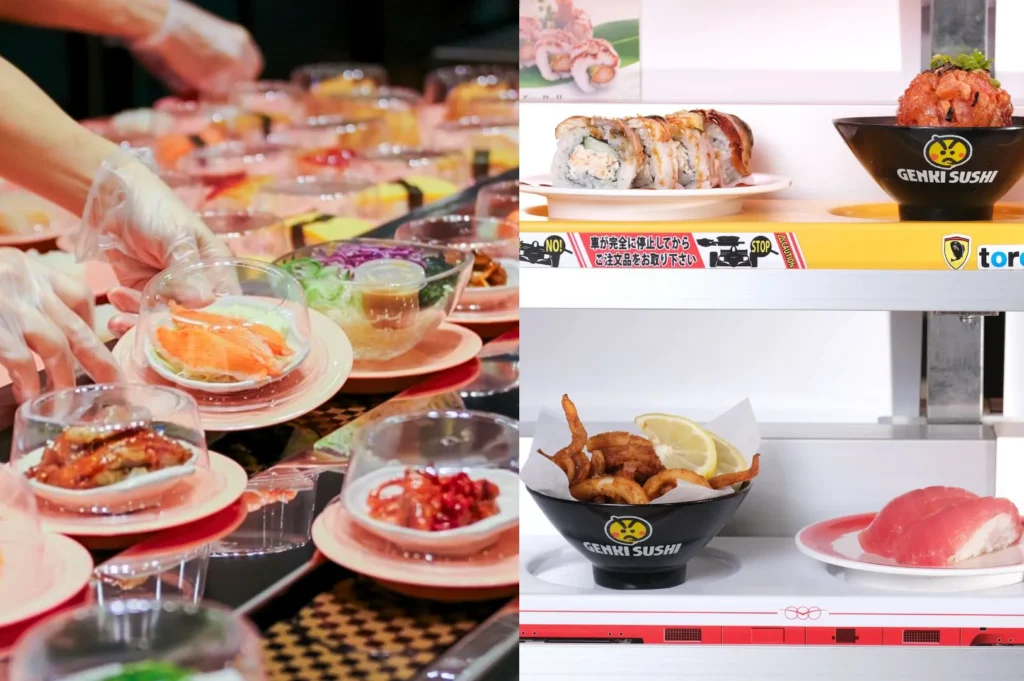
One of the most significant developments in sushi in Singapore has been the rise of affordable sushi chains.
Brands such as Sushi Express and Genki Sushi introduced a format that made sushi approachable for a much broader audience. Conveyor belts, digital ordering systems, and efficient service reduced barriers that once made Japanese dining feel intimidating.
Several factors contributed to their success:
- Affordable pricing
- Convenient locations
- Quick service
- Consistent menu offerings
- Family-friendly dining environments
For many people, these restaurants became their first introduction to sushi. A plate of tuna, salmon, or aburi sushi could be enjoyed without the commitment of a premium restaurant experience.
This shift helped normalise sushi as an everyday meal rather than an occasional luxury.
Itacho Sushi, Sushi Tei and the Middle Ground
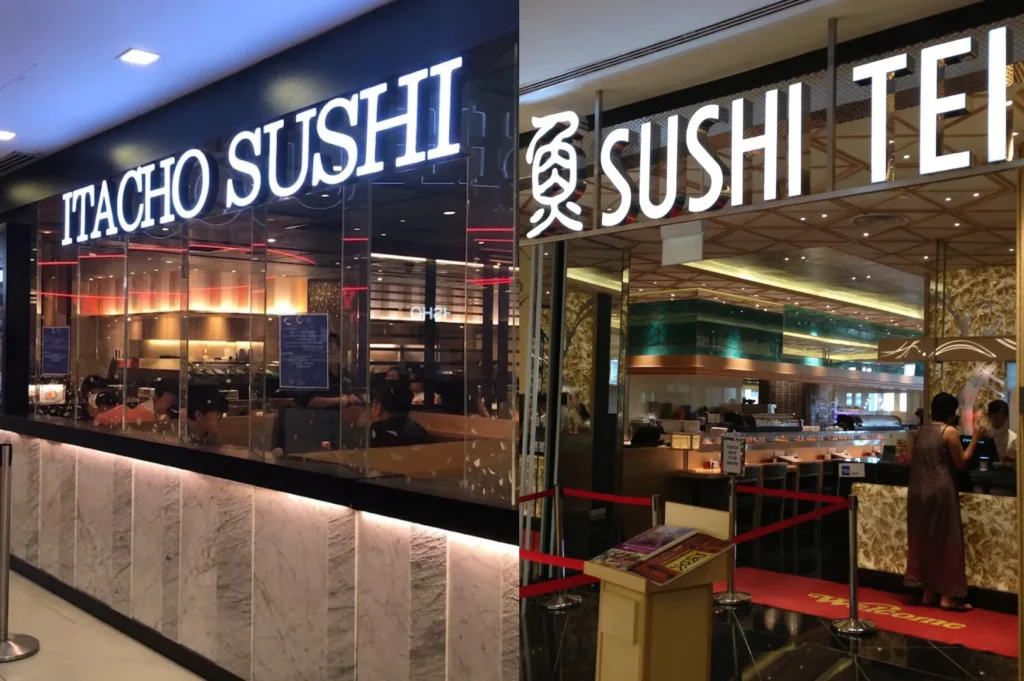
Between affordable chains and luxury omakase experiences sits a category that has become particularly popular among Singapore diners.
Restaurants such as Itacho Sushi and Sushi Tei offer broader menus while maintaining a stronger focus on ingredient variety and dining atmosphere. These restaurants often feature larger selections of sashimi, cooked Japanese dishes, seasonal seafood, and specialty items that appeal to diners looking for more than a quick meal.
Unlike conveyor-belt concepts, these restaurants encourage guests to spend more time exploring different flavours and combinations.
A typical meal may include:
- Fresh sashimi
- Aburi sushi
- Japanese noodles
- Seasonal seafood dishes
- Desserts
- Sake pairings
This middle segment has played an important role in shaping Singapore’s sushi culture by providing a balance between accessibility and quality.
Why Aburi Sushi Has Become So Popular
Among the many sushi trends to emerge in Singapore, few have gained as much popularity as aburi sushi.
The technique involves lightly torching the surface of the fish, creating a subtle smokiness while enhancing texture and aroma. For diners who may be hesitant about completely raw fish, aburi offers a comfortable middle ground.
Salmon remains one of the most popular choices, although tuna and other seasonal fish are increasingly featured in aburi preparations.
Its popularity also reflects how Singapore’s dining preferences continue to evolve. Diners often enjoy flavours that are bold, aromatic, and visually appealing. Aburi sushi manages to satisfy all three while remaining rooted in Japanese culinary techniques.
Sushi Bars and Omakase Offer a Different Perspective
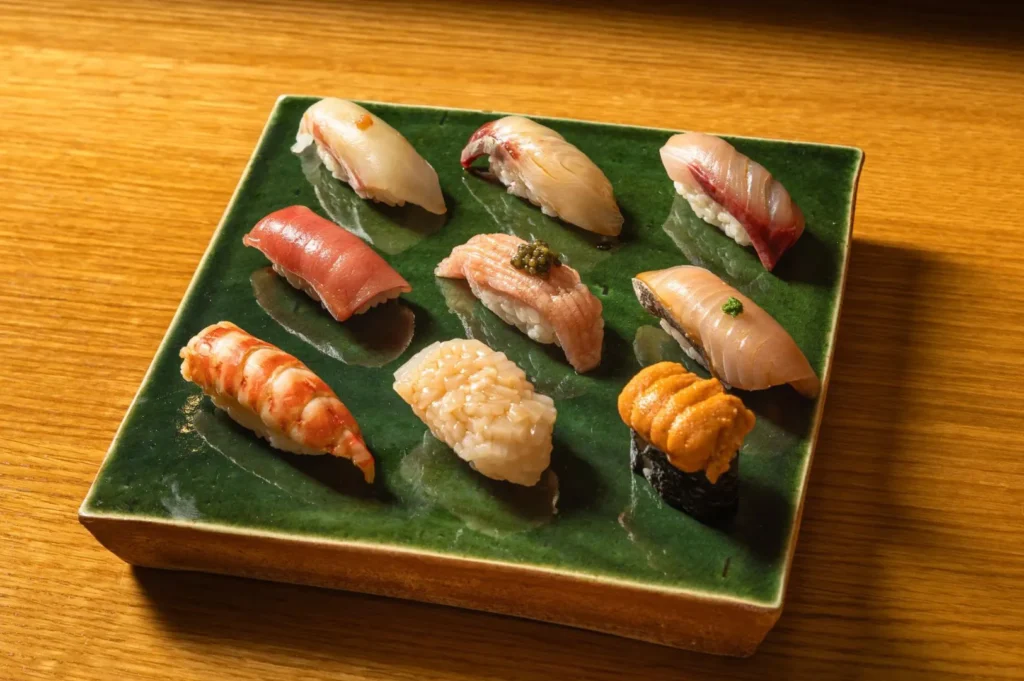
While affordable sushi continues to dominate shopping malls and neighbourhood centres, Singapore has also developed a sophisticated omakase scene.
At a premium sushi bar, the focus shifts from convenience to craftsmanship.
A key aspect of sushi preparation is shari, or sushi rice. While many diners naturally focus on the fish, experienced chefs often view the rice as equally important. The balance of seasoning, texture, and temperature plays a significant role in how the sushi is experienced.
Knife work also becomes increasingly important at this level. Different cuts influence texture, mouthfeel, and flavour release. Premium seafood such as fatty tuna, seasonal fish, and uni are handled with remarkable precision.
The philosophy behind omakase dining revolves around trust. Diners allow the chef to curate a meal based on the freshest seasonal ingredients available that day.
For readers interested in exploring this side of Singapore’s sushi culture further, there are plenty of resources that break down what separates a good omakase experience from a truly exceptional one, especially when exploring the Best Omakase Singapore offers.
From Holland Village to Home Delivery
Another reason sushi remains so popular is its adaptability.
Whether dining in Holland Village, visiting a shopping mall such as JEM, or ordering food at home, sushi fits naturally into a variety of lifestyles.
The growth of sushi delivery services has expanded this flexibility even further. Diners can now enjoy sushi platters, sashimi selections, handrolls, and Japanese dishes without visiting a restaurant.
This convenience has transformed sushi from a destination meal into something that can be enjoyed almost anywhere.
For busy professionals, families, and casual diners alike, the ability to order high-quality Japanese food with ease has become part of sushi’s enduring appeal.
Why Singapore’s Sushi Scene Continues to Thrive
What makes sushi in Singapore unique is not any single restaurant or dining format. It is the sheer diversity of experiences available.
Someone looking for a quick and affordable meal can visit Sushi Express. Another diner seeking a leisurely dinner may choose Itacho Sushi or Sushi Tei. A food enthusiast exploring Japanese culinary craftsmanship may reserve a seat at a premium sushi bar.
All of these experiences exist within the same city, often just minutes apart.
This range reflects Singapore’s broader dining culture: one that values accessibility while continuing to appreciate quality, craftsmanship, and tradition.
As sushi continues to evolve, it remains one of the clearest examples of how a culinary tradition from Japan can adapt, grow, and thrive within a new cultural landscape.
The result is a sushi scene that offers something for nearly every palate, occasion, and budget. For those interested in the broader Japanese dining culture in Singapore, including izakaya, see Eat Drink Asia’s article on Izakaya Singapore Culture for a great complement to the local food scene.

Fresh Sashimi Singapore: Places for Clean Cuts, Quiet Counters, and Fish That Still Feels Alive
Eda Wong | September 5, 2026
I didn’t grow up eating raw fish. For years, sashimi felt like something you learned to appreciate rather than something you loved. Cold, foreign, a little intimidating. Then one afternoon, at a quiet counter, a chef placed a single slice of chutoro in front of me and said nothing. I ate it. And I understood….
-
Pattaya Garden Restaurant and the Thai Meal That Knows How to Feed a Group
Eat Drink Asia Team | September 3, 2026
The rice came down first. A plain bowl, warm and steaming, set in the middle of the table before anything else. Then the green curry, in a bowl wide enough for four spoons to reach at once. And within a minute the table stopped being a set of individual meals and became one shared thing,…
-
At Keria Japanese Restaurant, the Meal Begins Before the First Bite
Dio Asahi | September 3, 2026
By Dio Asahi for Eat Drink Asia. The lift opens onto a corridor leading to the famed and hidden Cuppage Plaza food, and the building’s age shows in the flickering fluorescent light and the smell of old carpet. Then a sliding door pulls back, and Keria Japanese Restaurant asks you to slow down. Inside, it…
-
The Round Kaya Bun at Chin Mee Chin Confectionery, and the Mornings It Keeps
Eda Wong | September 2, 2026
By Eda Wong for Eat Drink Asia. It’s not quite eight, and the pastel-blue shophouse is already awake. Kopi cups clink against saucers. A ceiling fan turns slow overhead. Someone folds a newspaper at a marble-topped table, and the man behind the counter moves without hurry, sliding buns across in a rhythm he’s clearly done…
-
Nana Original Thai Food and the Thai Meal That Keeps Changing Its Accent
Eda Wong | September 1, 2026
The tom yum arrived first, and the first spoonful hit sour and hot at once, lime and chilli chasing each other down the throat. This classic Thai dish features a spicy sauce and aromatic herbs that awaken the taste buds straight away, setting the stage with its bold flavors. Then the pineapple rice came, sweet…
-
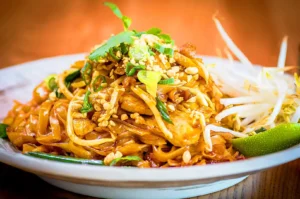
Pad Thai Recipe for People Who Know the Noodles Can’t Be an Afterthought
Dio Asahi | August 29, 2026
The first time I made Pad Thai, I ruined it before the wok was even hot. I’d left the noodles soaking while I answered a phone call. Ten minutes turned into forty. By the time I drained them, they were already soft, already surrendered. Everything I did in the pan after that was damage control….
-
Best Japanese Restaurant Singapore: Places That Nail the “First Bite”
Eat Drink Asia Team | August 27, 2026
I built this list around a very specific feeling: that first bite where the room goes quiet for a second. I’ve tried enough Japanese restaurants in Singapore over the years to know that “best” does not always mean the most expensive, the rarest, or the hardest to book. Sometimes it is the warmth of the…
-
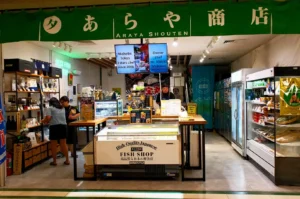
Not Just Seafood: How Araya Shouten Keeps Japanese Fishing Culture Alive in Singapore
Eat Drink Asia Team | August 26, 2026
Japanese cuisine has long been admired for its attention to seasonality, precision, and respect for ingredients. However, behind every piece of sashimi or carefully prepared seafood dish lies a story that begins far away from the dining table, often with fishermen, coastal communities, and generations of knowledge passed down through time. At Araya Shouten, seafood…
-
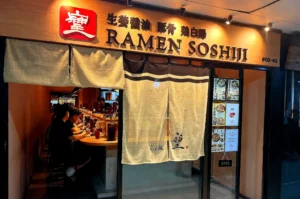
The Ginger Shoyu Ramen at Ramen Soshiji, Where Orchard Goes Quiet
Dio Asahi | August 26, 2026
By Dio Asahi for Eat Drink Asia. The lift opens on the third floor of Orchard Plaza, and for a second I don’t know which way to turn. The corridor is dim and still, the kind of quiet that feels almost accidental in this part of town. A few doors down, an unmarked entrance. Inside,…
-
Indo Rasa Singapore and the Nasi Goreng That Measures a Kitchen’s Confidence
Eat Drink Asia Team | August 25, 2026
There’s a dish I order when I want to know a kitchen quickly. Not the specialty. Not the thing the menu is proud of. I order the fried rice. Because nasi goreng has nowhere to hide. It’s rice, chilli, chicken, egg, a few crackers, some cucumber. Everyone thinks they can make it. Most people can….