The first vegetarian laksa I made tasted like coconut soup with chilli, not laksa.
I thought I was doing it right, stirring paste into warm coconut milk with tofu puffs. It looked the part but lacked depth. Seafood usually provides that depth, prawn shells, dried shrimp, fish cake sweetness.
I learned that depth can’t be added at the end; it must be built from the start. A vegetarian laksa lives or dies in the broth. Get the rempah right, fry it well, and the missing seafood won’t feel like a gap.
So we start with the pot, not the toppings.
What Kind of Laksa This Is: A Coconut-Rich Curry Paste Journey
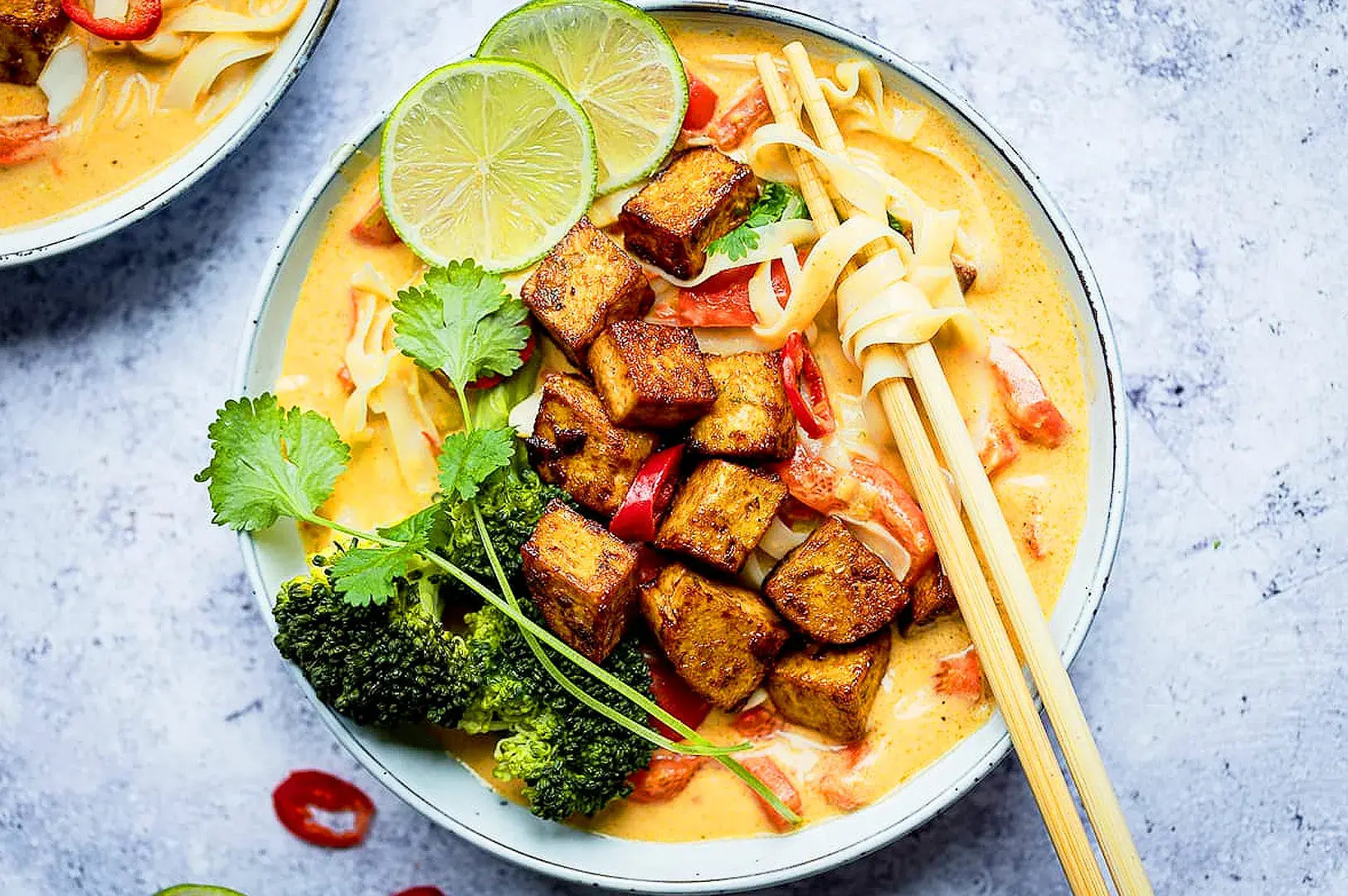
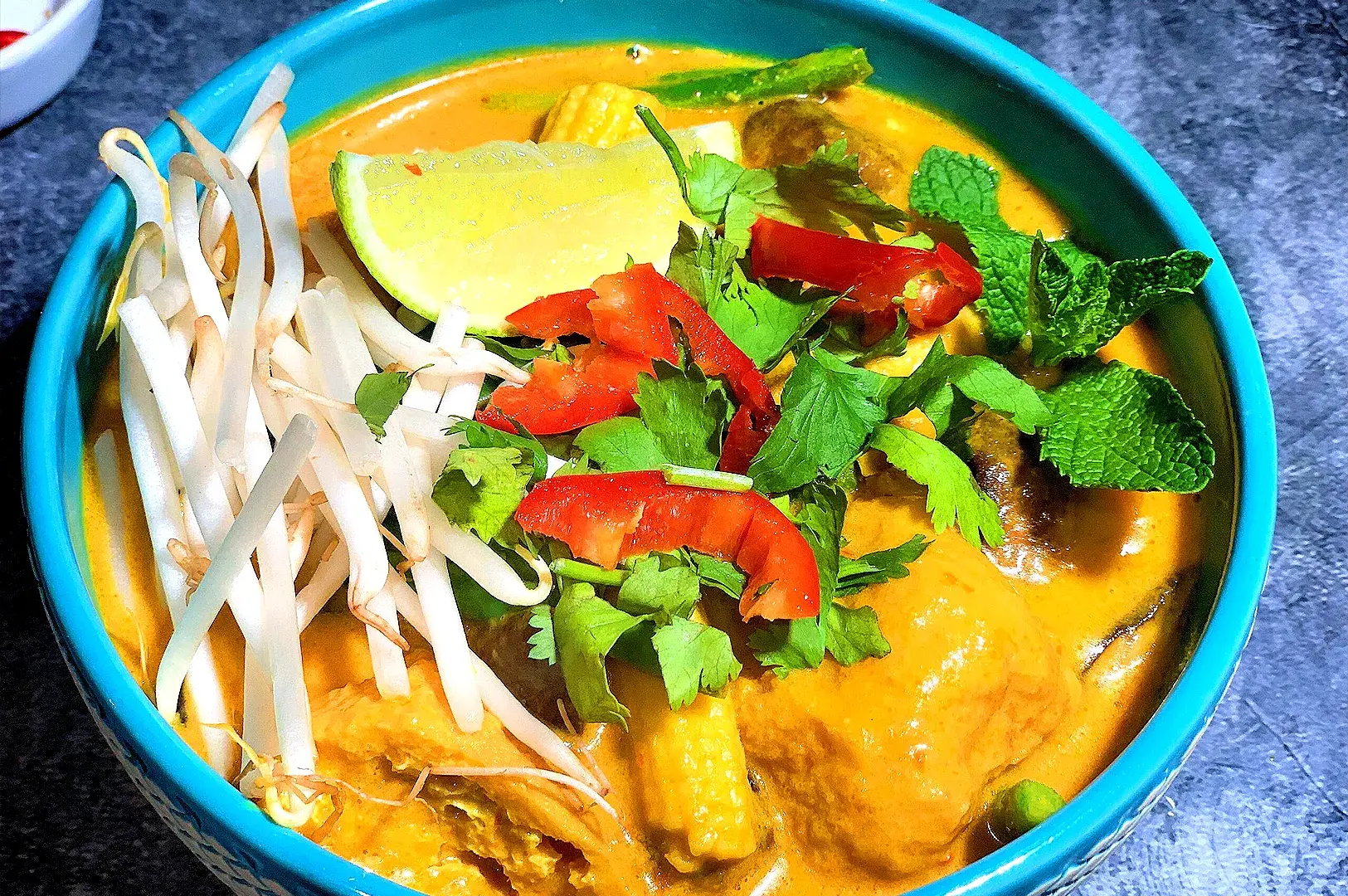
This is a vegetarian curry laksa, a creamy, coconut-rich laksa lemak built to cradle noodles and fresh vegetables. Unlike the tangy, sour asam laksa, which leans heavily on fish-based broths, this version embraces a plant based identity without sacrificing the soul of the dish.
I want to be honest: this won’t replicate the exact briny, seafood-infused Katong laksa you might be craving. There are no cockles, no fish cakes, no fish sauce to deepen the broth. Instead, it keeps the comforting logic of curry laksa alive, a fragrant laksa paste fried until aromatic, a luscious coconut broth, springy rice noodles, spongy tofu puffs, and a bright lift of herbs and lime juice. That’s the delicious soup we’re aiming for here.
You may also check an Asian vegetarian meal reviewed at Herbivore Japanese Vegetarian Restaurant, which explores vegetarian twists on Japanese cuisine, blending tradition with innovative plant-based ingredients.
The Ingredients (Serves 3–4)
For the broth:
- 4–5 tablespoons store bought laksa paste or homemade (more on this below)
- 4 tablespoons neutral oil for a gentle stir fry
- 1 litre vegetable or mushroom stock (for umami depth)
- 400ml coconut milk (add more coconut milk if you like it creamier)
- 1 tablespoon soy sauce (or vegan alternative)
- 1 teaspoon coconut sugar or brown sugar, plus more to taste
- Salt to taste
- Aromatic additions: chopped onions, minced garlic, fresh ginger, lemongrass, and kaffir lime leaves
For the bowl:
- 1 packet Unicurd tofu puffs, halved to soak up the broth
- A handful of mushrooms (shiitake or oyster)
- Fresh greens like broccoli or bok choy
- 2 large handfuls bean sprouts
- Thick bee hoon or rice vermicelli (cooked noodles prepared separately)
To finish:
- Torn laksa leaf (or substitute with Vietnamese coriander or mint)
- Crispy fried shallots
- Halved calamansi or lime for a squeeze of fresh acidity
- Sambal or dipping sauce on the side for those who crave heat
Eatdrinkers Tip: Many curry pastes labeled vegetarian sneak in dried shrimp or fish extract. Always check the label carefully or visit specialty vegetarian stores for assured plant based options.
The Method, Step by Step: Building a Delicious Laksa Soup
Step 1 — Fry the Laksa Paste Like You Mean It
Heat oil in a pot over medium heat. Add the laksa paste and stir fry patiently.
Watch for these signs:
- The paste darkens to a deep orange
- The sharp raw aroma mellows into a rich, rounded fragrance
- Oil begins to bead around the edges, signaling the spices have bloomed
This step takes 5 to 10 minutes depending on moisture content. It’s the foundation of your broth’s depth, so don’t rush.
Eatdrinkers Tip: Use enough oil to prevent scorching. The fat is essential to coax out the complex flavors of other spices in the paste.
Step 2 — Add Stock and Aromatics
Pour in your vegetable or mushroom stock along with chopped onions, minced garlic, sliced ginger, bruised lemongrass, and kaffir lime leaves.
Simmer gently for 5 to 10 minutes, letting the broth soak up the fragrant layers. This step builds the savory backbone that replaces seafood depth.
Step 3 — Gently Incorporate Coconut Milk
Lower the heat and stir in the coconut milk slowly. Maintain a soft simmer, never a boil, to prevent the broth from splitting into oily curds.
Taste and adjust seasoning with soy sauce, coconut sugar, and salt. A squeeze of lime juice at the end brightens the rich, creamy base.
Step 4 — Simmer Tofu Puffs and Vegetables
Halve the tofu puffs so they absorb the broth fully. Add them along with mushrooms and greens like broccoli.
Simmer 5 to 8 minutes, pressing gently with a ladle to help the broth seep in, while keeping the vegetables crisp-tender.
Step 5 — Prepare the Noodles Separately
Cook your rice noodles or ramen in boiling water according to package instructions. Drain and toss with a little oil to prevent sticking.
Never cook the noodles directly in the laksa broth, they will soak up all the liquid and leave you with a dry, thin soup.
Step 6 — Assemble and Garnish
Layer the bowl with noodles first, then bean sprouts, tofu puffs, and greens.
Ladle the hot, fragrant laksa soup over the top.
Sprinkle torn laksa leaves and fried shallots. Serve immediately with lime wedges and your favorite dipping sauce or sambal.
A 45-Minute Workflow for Weeknight Laksa
| Time | Task |
|---|---|
| 0:00 | Prep tofu puffs, vegetables, and noodles |
| 0:10 | Measure or blend your smooth paste |
| 0:15 | Fry the laksa paste until aromatic and darkened |
| 0:25 | Add stock and aromatics, simmer |
| 0:30 | Stir in coconut milk gently; add tofu and veggies |
| 0:35 | Cook noodles separately |
| 0:42 | Taste, adjust seasoning, assemble bowls |
| 0:45 | Garnish and serve |
Using store bought laksa paste and pre-cut veggies, you can have this delicious soup ready in under 30 minutes.
For those interested in exquisite dining experiences, be sure to check out our article on the best omakase Singapore: https://eatdrinkasia.com/best-omakase-singapore/
Avoid These Laksa Blunders
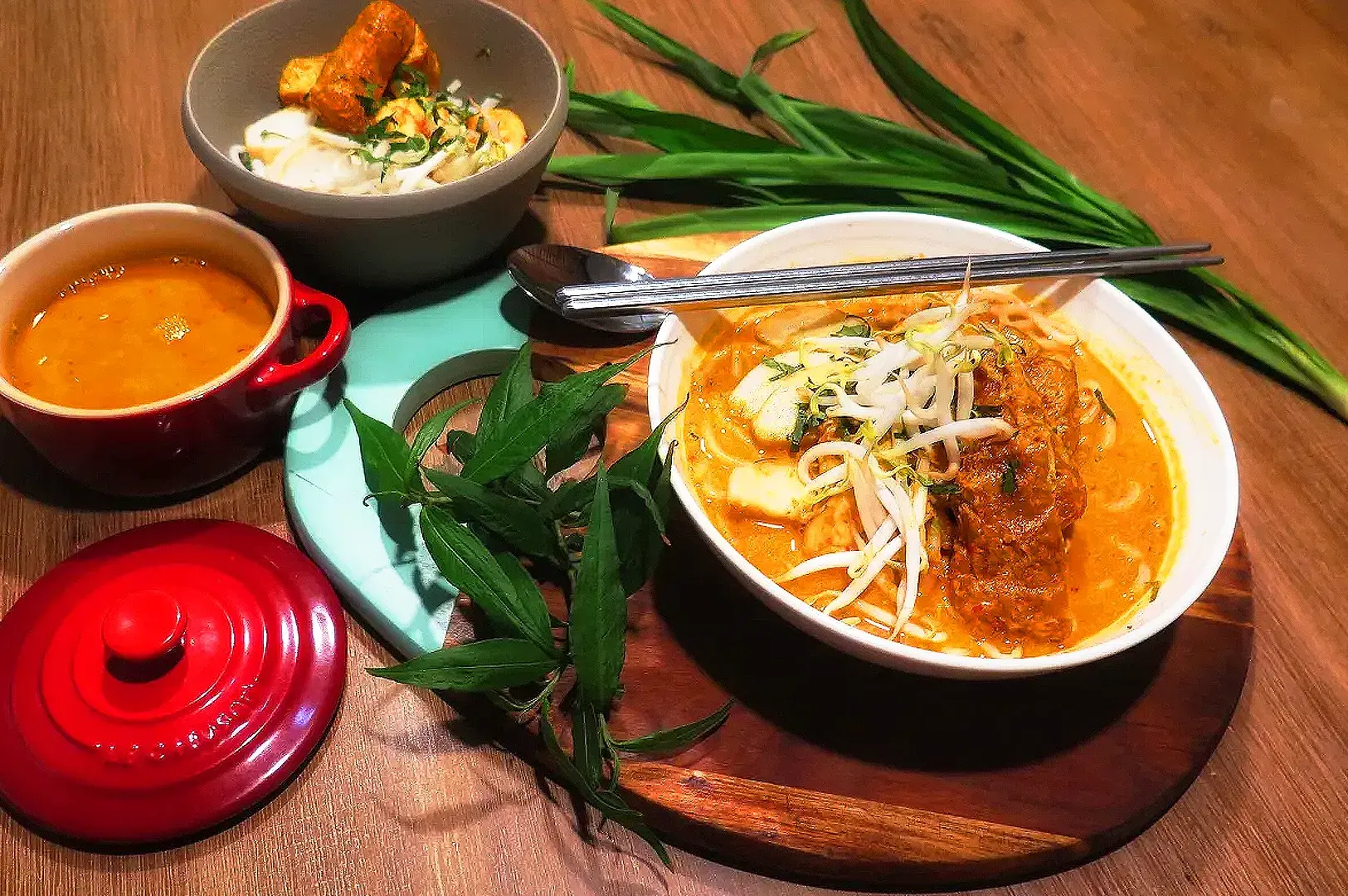
These are the ones I've made myself, or watched friends make.
Flat broth that tastes like vegetable soup. The paste wasn't fried long enough. For the pot in front of you, stir in a little soy sauce, mushroom stock, or a teaspoon of white miso. Next time, fry the rempah longer.
Split coconut milk. Heat was too high. Lower it, stir, and finish with lime. The texture suffers but the flavour survives.
Soggy noodles. They sat in the broth. Blanch separately and only assemble what you'll eat right away. Store leftovers in separate containers.
Bland tofu puffs. Added too late, or left whole. Cut them, simmer them at least 5 minutes, press them into the soup.
Too spicy for the family. Add more coconut milk and stock, serve extra noodles to dilute. Brighten with lime rather than fighting heat with more chilli.
Eatdrinkers tip: If the broth ever tastes "vegetarian in a bad way," the fix is almost always umami, not more chilli. Soy sauce, miso, shiitake water, fried shallots. Build the savoury, not the spice.
FAQ: Honest Answers to Common Laksa Questions
- Can it really taste rich without seafood?
Yes, but only if you build the broth intentionally with fried rempah, coconut milk, mushrooms, and tofu puffs soaking up the flavors. - Do I need homemade paste?
No. Store-bought laksa paste works well for quick meals. Homemade lets you tailor the spice blend and control ingredients, but it’s a weekend project, not a weeknight must. - What about low carb options?
Swap out rice noodles for spiralized zucchini or shirataki noodles to keep it low carb while still enjoying the creamy broth. - Can I freeze leftovers?
The broth freezes beautifully. Keep cooked noodles and fresh toppings separate and add them fresh when reheating.
This recipe is a testament to how plant based recipes can capture the soul of traditional dishes without compromise. The balance of fragrant curry paste, creamy coconut, and fresh herbs creates a hot soup that comforts and satisfies every craving.
One Last Thing
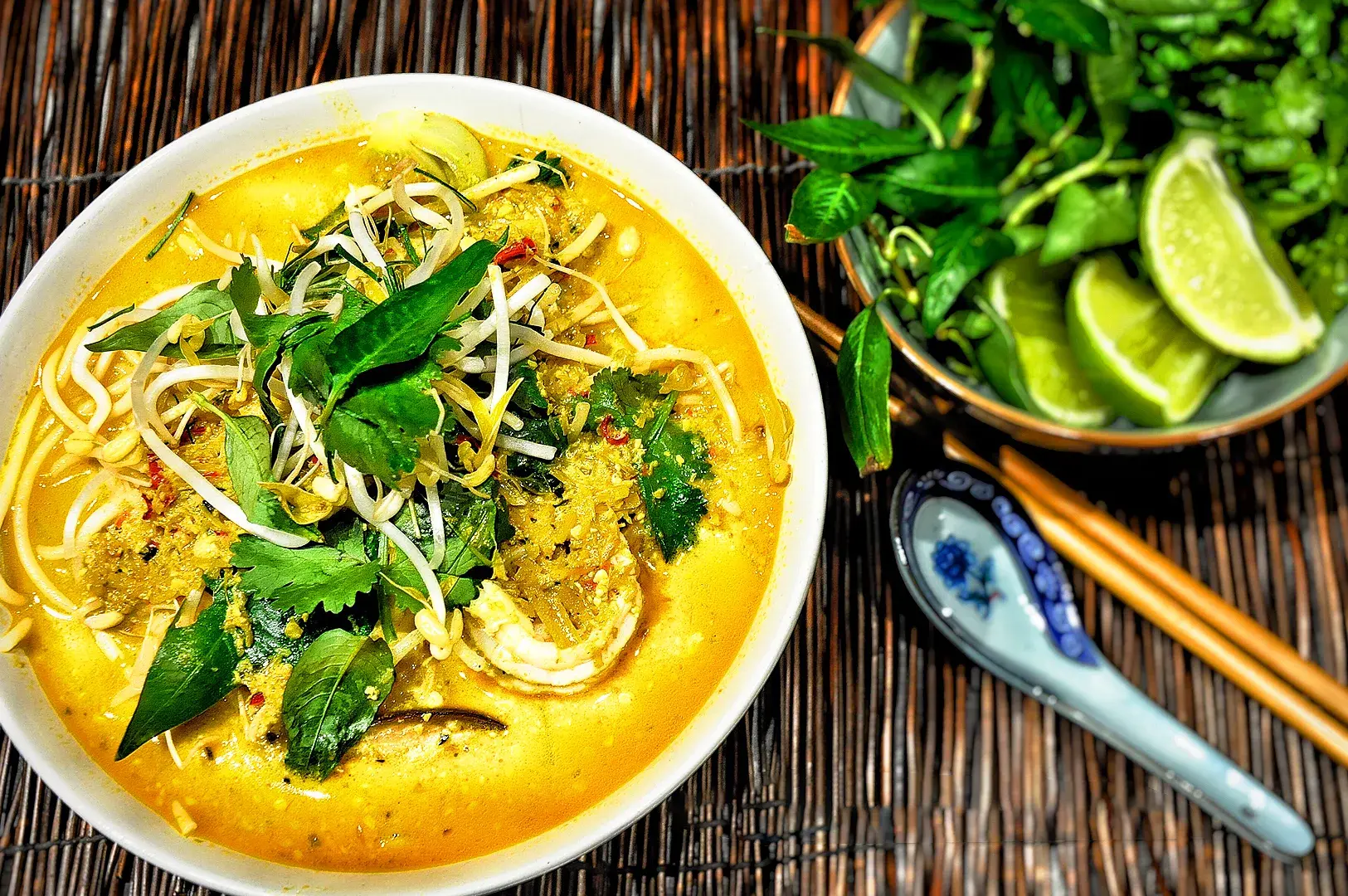
The version that finally tasted right wasn't the one with the fanciest ingredients. It was the one where I stood over the pot and fried the paste until it smelled cooked, then let the coconut milk in gently, off the boil.
That's the whole secret, really. A vegetarian laksa doesn't win by pretending the seafood was never there. It wins by building depth somewhere else, patiently, from the bottom of the pot up.
So don't be discouraged if your first bowl tastes a little hollow. Mine did. Fry the rempah longer next time. Taste as you go. The bowl that stays with you is closer than you think.

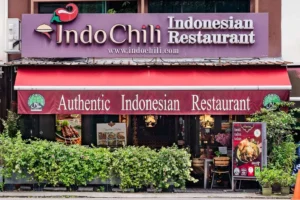
Indonesian Dishes, the IndoChili Way: A Restaurant Review Written in Smoke and Sweet Soy
Eda Wong | May 14, 2026
There are evenings when only a very specific type of comfort food will do. I wasn’t craving a standard bowl of noodles or a generic curry. I wanted that unmistakable, deeply fragrant balance of charcoal smoke and sticky sweet soy sauce that defines authentic Indonesian cooking. Finding that perfect harmony in Singapore without sitting outside…
-
The Sweet Darkness of Kecap Manis: The Flavour That Makes Food in Indonesia Feel Like Home
Dio Asahi | May 12, 2026
When I first tried to cook authentic Indonesian nasi goreng at home, I was incredibly confident. I had my wok smoking hot, my garlic and shallots perfectly fragrant, and a generous splash of regular soy sauce ready to go. But when I took that first bite, my heart sank. It tasted flat, salty, and entirely…

Fortune Centre Food Guide: Vegetarian Finds, Quick Lunches, and Hidden Dinner Spots
Eda Wong | May 9, 2026
May 9, 2026 | Eda Wong | Last Updated September 10, 2026 I have spent the last six months navigating the tight corridors and bustling walkways of Fortune Centre, determined to map out its legendary food scene. I’ve tried all of these famous stalls, sampling everything from intricate plant-based creations to humble rice plates, and I…
-
Types of Chinese Food Hidden in Plain Sight: Imperial Treasure, Reviewed Through Their Orders
Eat Drink Asia Team | May 7, 2026
For a long time, many viewed Chinese food as one giant, delicious monolith, characterized by intense heat, heavy sauces, and wok-tossed brilliance. However, as more time is spent exploring Singapore’s incredible dining scene, it becomes clear that true culinary mastery often whispers rather than shouts. To demonstrate this to visitors, a table at Imperial Treasure…
-
Famous Food in China Isn’t Loud: Din Tai Fung’s Dumplings and the Power of Precision
Dio Asahi | May 5, 2026
There is a common misconception that the most authentic culinary journeys involve loud, chaotic kitchens with massive wok flames and shouting chefs. I used to think the same thing until I started paying closer attention to the quieter corners of Asian cooking. I visited Din Tai Fung on a Tuesday around 2:30 pm, hoping to…
-
The Morning Steam of Baozi Along a Beijing Street
Eda Wong | May 2, 2026
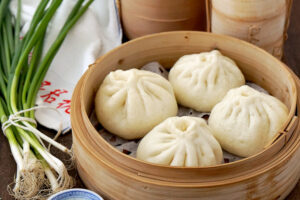
The first thing I noticed was the steam. It rose in soft, continuous bursts from stacked bamboo baskets, drifting into the cold Beijing morning like breath made visible. The vendor lifted each lid with practiced rhythm, a quick tilt, a release of heat, then the faint scent of yeast, pork, and warm flour rolling outward….
-
Moo Ping and the Structure of Thai Grilled Street Meat
Dio Asahi | April 30, 2026
The first thing I noticed was the smoke, thin, controlled, rising steadily from a charcoal grill along a Bangkok street. Skewers of pork turned in a quiet rhythm, fat dripping and hissing as it met the heat. The air carried layers of scent: sweet palm sugar, garlic, and a faint fermented depth beneath it. I…
-
Where Kuala Lumpur Actually Begins: Reading the City Through Its Food
Eat Drink Asia Team | April 30, 2026
There are cities you can understand through maps, and then there are cities like Kuala Lumpur that only begin to make sense when you follow what people eat. Not what is recommended or ranked, but what is repeated. The same stall visited every week, the same dish ordered without hesitation, the same flavours that feel…
-
The Silent Language of the Table: How Traditional Food in China Speaks Through Generations
Eda Wong | April 28, 2026
When I first tried to navigate a traditional Cantonese family dinner, I made a spectacularly embarrassing mistake. I sat down, looked at the sprawling, beautifully written menu, and confidently ordered an individual plate of sweet and sour pork just for myself. The table went completely quiet. My host gently nudged the menu back towards the…
-
The Golden Roux Revolution: Best Japanese Curry Singapore Spots That Redefine Comfort Food
Eat Drink Asia Team | April 25, 2026
April 25, 2026 | Eat Drink Asia Team Last updated: September 17, 2026 We have always believed that a brilliant plate of Japanese curry is the ultimate culinary hug. Over the past eight months, we made it our personal mission to embark on a comprehensive culinary journey across Singapore, hunting down the absolute best bowls…