Japanese cuisine has long been admired for its attention to seasonality, precision, and respect for ingredients. However, behind every piece of sashimi or carefully prepared seafood dish lies a story that begins far away from the dining table, often with fishermen, coastal communities, and generations of knowledge passed down through time.
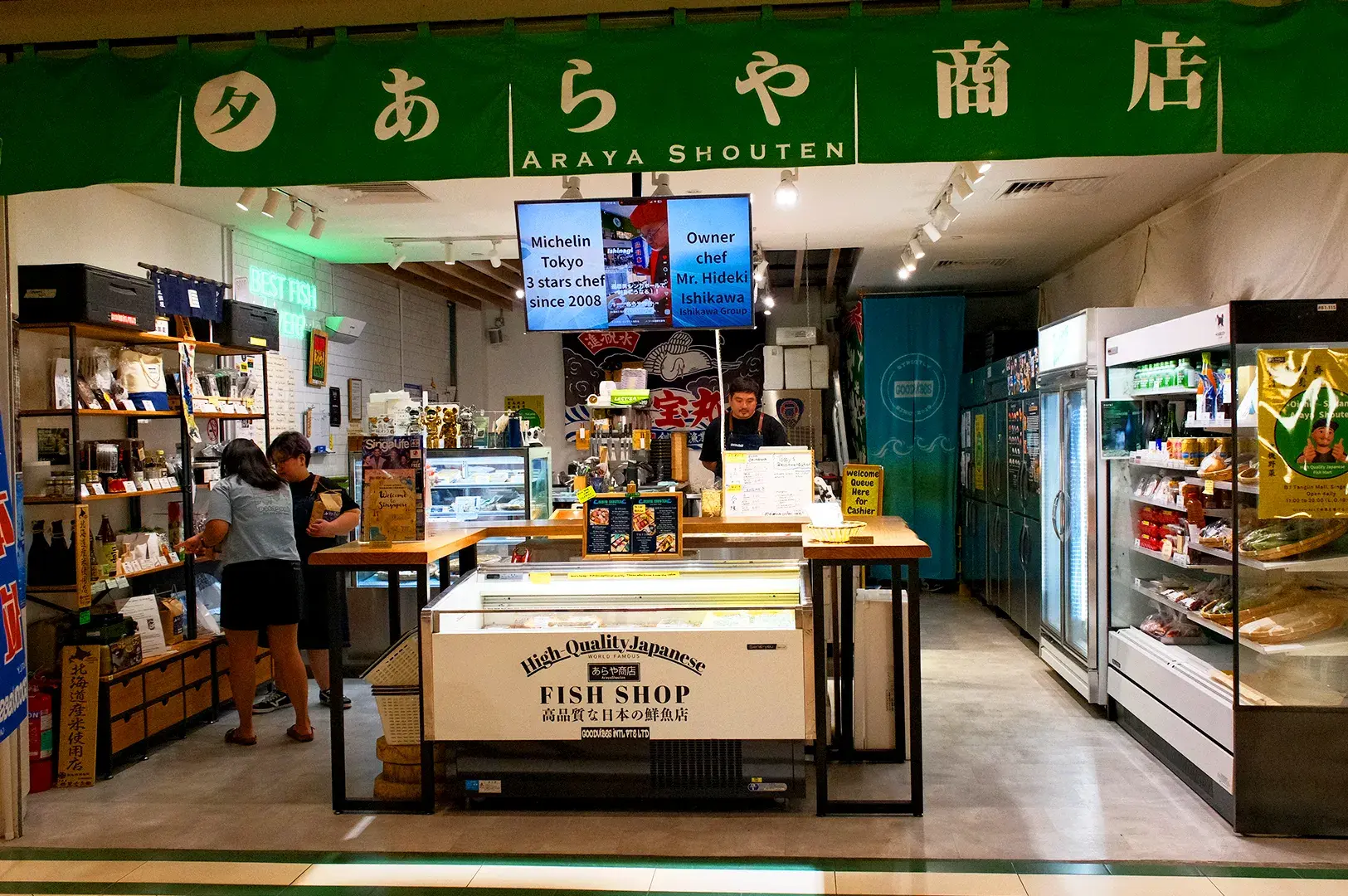
At Araya Shouten, seafood is not treated as just another ingredient. The Japanese seafood specialist at Tanglin Mall represents a deeper connection between Singapore and Japan’s fishing heritage, bringing carefully sourced fish, traditional practices, and the stories of Japanese suppliers directly to local diners.
For many, Japanese food culture begins and ends at the counter of Japanese restaurants. Araya Shouten offers a different perspective, inviting customers to understand where their seafood comes from, how it is handled, and why every selection carries a history of its own.
A Lifelong Connection to Japan’s Fishing Heritage
Before establishing Araya Shouten in Singapore, Araya-san’s relationship with seafood began in Tomakomai, Hokkaido, where he grew up surrounded by Japan’s fishing culture. His grandfather was a commercial fisherman at Kushiro Port, and his family’s connection to the ocean shaped his understanding of quality from a young age.
Rather than learning about fish only through textbooks or professional kitchens, Araya-san developed his palate through everyday experiences. Growing up eating sashimi-grade fish delivered from fishing communities gave him an instinctive understanding of what exceptional seafood should taste like.
This connection to Hokkaido remains central to Araya Shouten’s philosophy today. The shop is built around the belief that seafood carries more than flavour. It carries the knowledge of fishermen, the conditions of the ocean, and the traditions of communities that have relied on fishing for generations.
Preserving Japanese Fishing Culture Through Seafood
The story behind Araya Shouten is also a story about preservation. Across Japan, traditional fishing communities face challenges including an ageing workforce, fewer successors, and changing ocean conditions.
For Araya-san, supporting these communities is part of the responsibility that comes with working in the seafood business. He believes that when fishermen disappear, an important part of Japanese food culture disappears with them.
This philosophy influences how Araya Shouten works with suppliers across Japan. Instead of treating seafood as a simple commodity, the shop builds relationships with producers and fishing communities to maintain access to high-quality ingredients while supporting the people behind them.
Every piece of fish reflects this connection. Whether customers buy fresh sashimi singapore for home dining or enjoy seafood prepared at the shop, they are experiencing a small part of Japan’s coastal heritage.
Beyond Tokyo’s Toyosu Market: Following Seafood Back to Its Source
Many people associate Japanese seafood with Tokyo’s Toyosu market, one of the world’s most famous seafood marketplaces. While Toyosu plays an important role in Japan’s seafood industry, Araya Shouten takes a different approach by building direct relationships with fishing ports and suppliers.
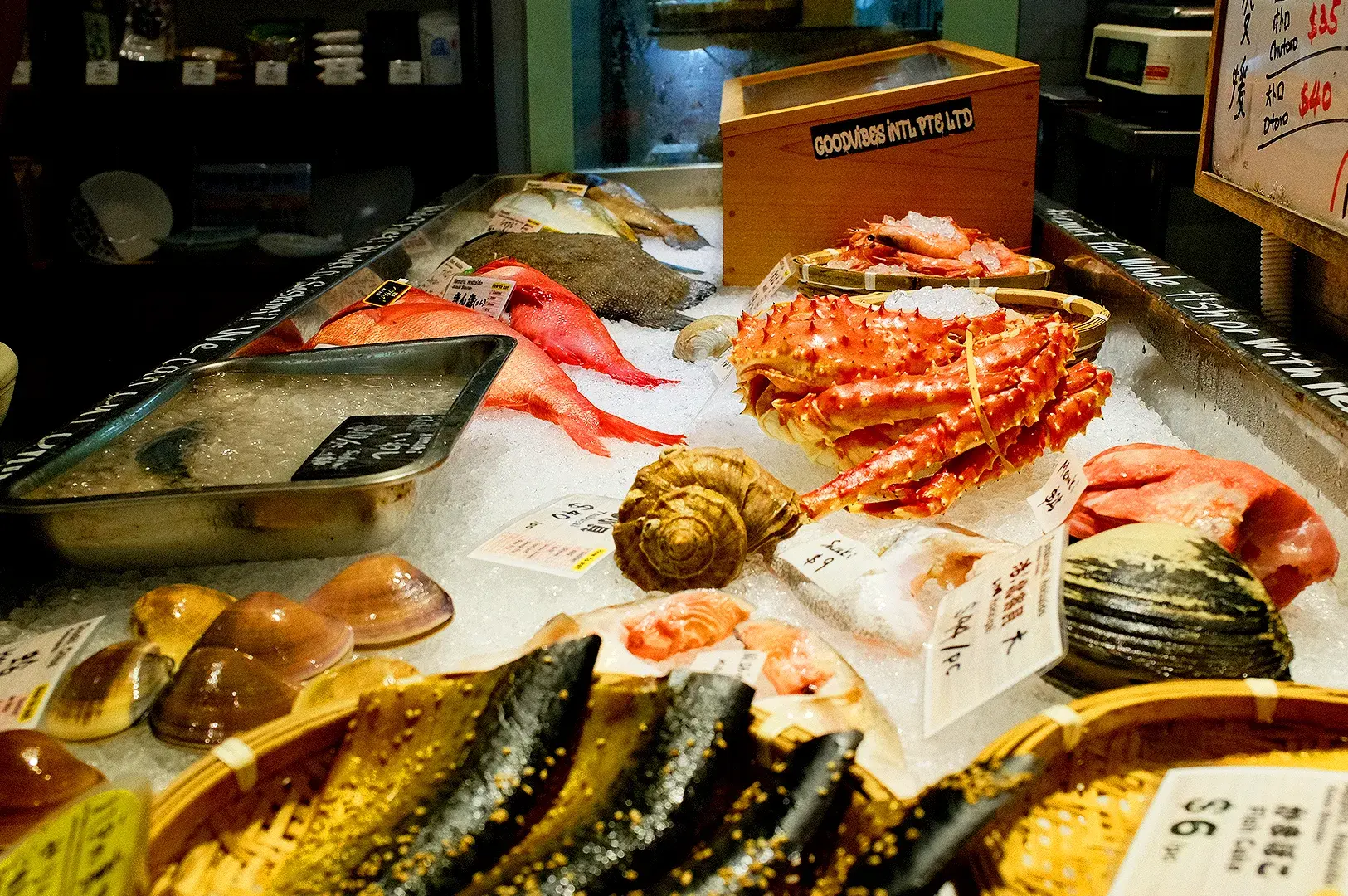
The shop sources seafood from different regions across Japan, including Hokkaido, Choshi, Hakodate, Shimonoseki, and other fishing areas. By working more directly with suppliers, Araya Shouten focuses on accessing seafood closer to its origin.
This approach allows the shop to offer a selection that changes with the seasons rather than following a fixed catalogue. The ocean determines what is available, meaning customers may discover different types of fish depending on the catch.
For diners in Singapore, this creates an opportunity to experience seafood that reflects Japan’s regional diversity. Instead of receiving a similar selection found everywhere else, customers can explore ingredients connected to specific fishing communities and seasons.
The Craft Behind Fresh Seafood
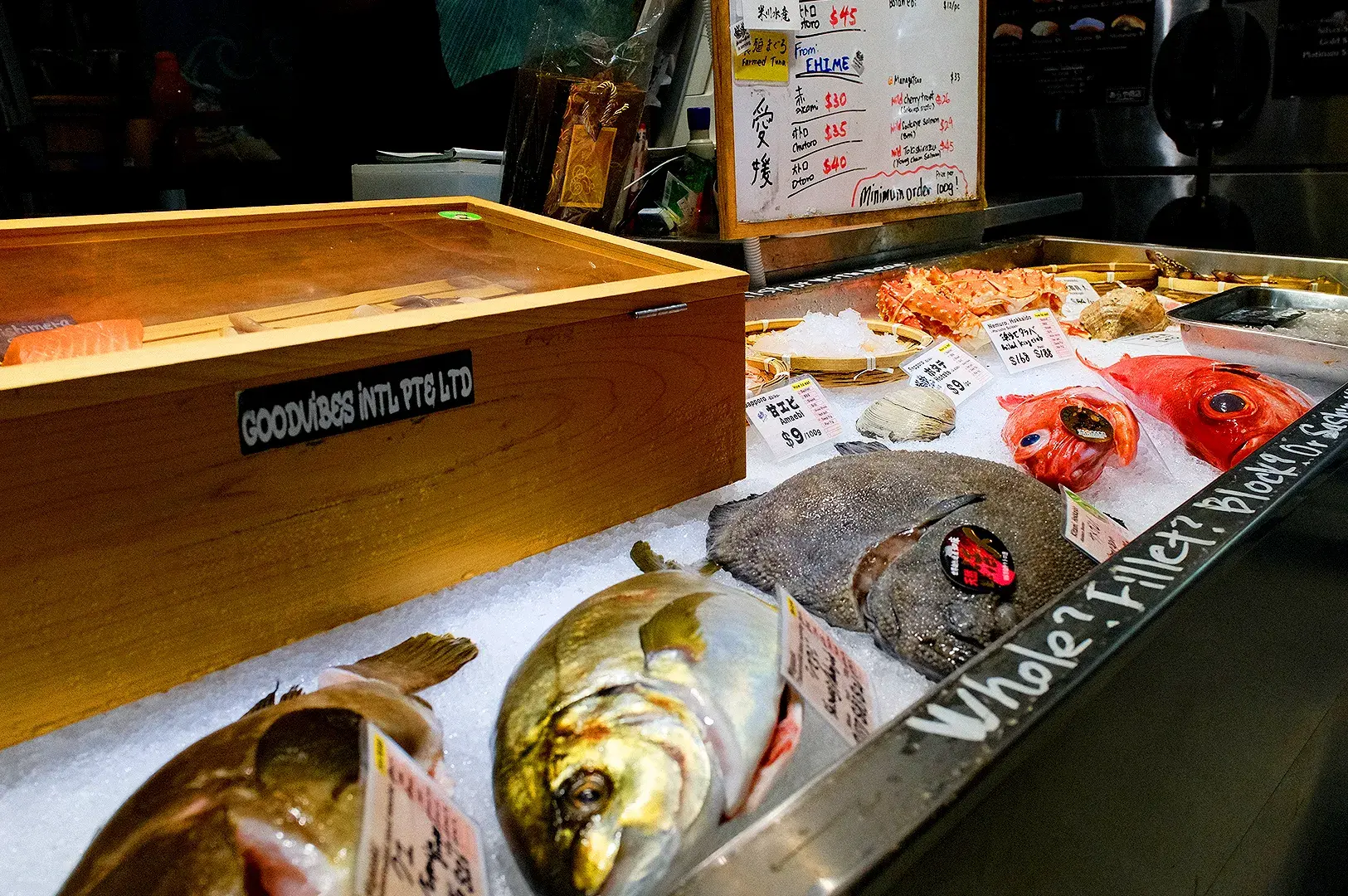
Quality seafood is determined long before it reaches the kitchen. At Araya Shouten, careful handling techniques play an important role in preserving flavour, texture, and freshness.
The shop’s relationships with suppliers allow certain handling methods to be carried out immediately after the catch. Techniques such as Shinkei Jime and Sumotoshiki blood removal help maintain the natural qualities of the fish while reducing unwanted flavours.
These processes may happen far away from Singapore, but they influence every bite. The difference can be experienced through the clean taste and texture of the sashimi, allowing diners to appreciate the care taken before the seafood reaches their plate.
This attention to detail is also why Araya Shouten has earned the trust of professional kitchens. The business has supplied seafood to Japanese restaurants, including Michelin-recognised establishments, before opening its own retail shop for everyday customers.
Bringing Japanese Seafood Culture, from Ikura to Katte Don, to Tanglin Mall
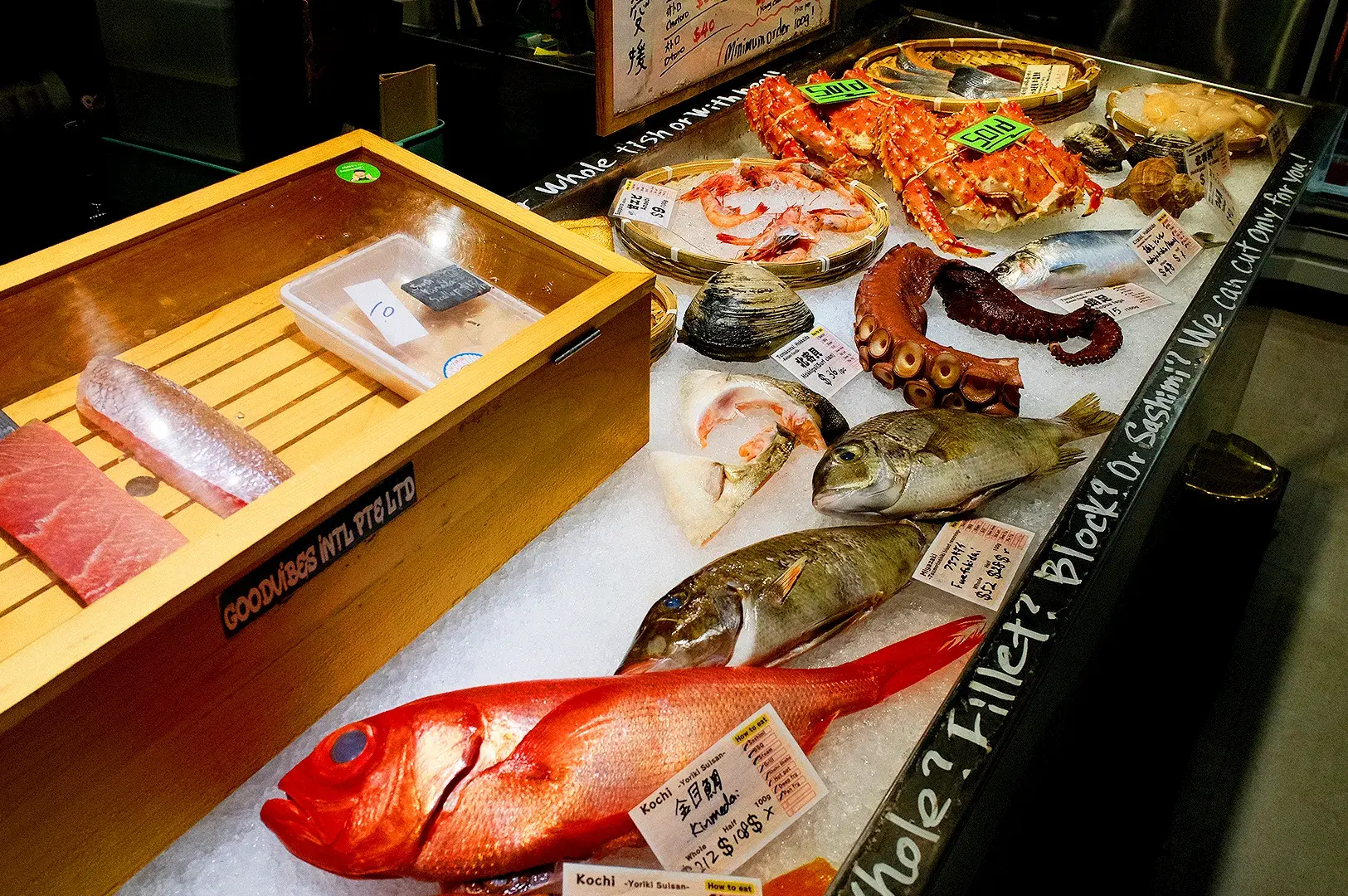
Located at Tanglin Mall, Araya Shouten gives Singapore diners access to restaurant-quality seafood in a more approachable setting. The shop allows customers to explore premium ingredients, ask questions, and better understand the seafood they are bringing home.
The experience is different from a typical seafood counter. Customers can discover seasonal fish, rare varieties, and ingredients that may not always appear in conventional supermarkets.
The shop’s offerings include sashimi-grade seafood, sea urchin, ikura, spot prawn, and seasonal selections sourced according to availability. Those looking to recreate Japanese dining experiences at home can also find ingredients suitable for preparing dishes such as chirashi don and katte don.
A chirashi don combines colourful seafood with rice (something you can explore more in this article), while katte don reflects the freedom of choosing preferred toppings over a bowl of rice. Both dishes highlight an important part of Japanese food culture: allowing quality ingredients to speak for themselves.
More Than A Place To Buy Seafood
What makes Araya Shouten different is not simply its selection of seafood, but the story behind every ingredient. The shop represents a connection between Japan’s fishing communities and Singapore’s growing appreciation for authentic Japanese cuisine.
In a similar way that traditional Japanese restaurants preserve culinary techniques through chefs, Araya Shouten preserves seafood knowledge through sourcing, relationships, and respect for producers.
The experience reminds diners that great seafood is not created only in the kitchen. It begins with the ocean, the fishermen, the suppliers, and the generations of knowledge that make every ingredient possible.
For those who want to understand Japanese seafood beyond the surface, Araya Shouten offers more than fresh seafood. It offers a way to connect with Japan’s coastal heritage, one carefully selected fish at a time.

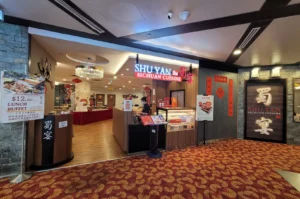
A Shu Yan Sichuan Cuisine Review Written in Pepper and Smoke: Chicken Pao That Wakes Up the Table
Dio Asahi | June 13, 2026
I used to think of authentic Sichuan food as a sheer test of endurance. For a long time, I assumed the goal was simply to survive the fiery onslaught of chillies rather than actually taste anything. But my recent culinary journey at Shu Yan Sichuan Cuisine completely rewired how I understand this region’s flavour map….
-
In Luang Prabang, Or Lam Carries the Taste of Sakhan
Eda Wong | June 12, 2026
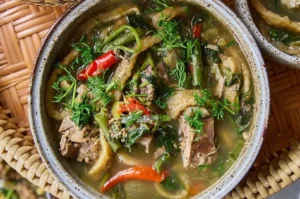
The damp morning mist still clings to the teakwood houses of Luang Prabang as an elderly cook tends to a glowing charcoal brazier. Sparks jump lightly into the cool air, illuminating the blackened belly of an aluminium pot. Inside, a thick, dark liquid bubbles rhythmically, releasing an incredibly aromatic cloud of charred lemongrass, sweet Thai…

The Malayan Council, Reviewed: Local Food in Malaysia, Plated Like a Memory
Eat Drink Asia Team | June 11, 2026
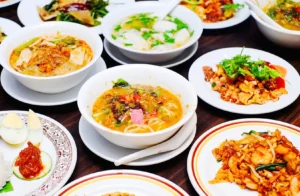
Our Eat Drink Asia team spends a lot of time debating what makes a truly unforgettable meal. The team has previously published articles exploring the redefinition of comfort food. That is exactly what led me to The Malayan Council at 71 Bussorah Street. I visited on a Friday around 7:30 pm, just as the weekend…
-
Sushi in Singapore: Why There Is a Style for Every Budget
Eda Wong | June 11, 2026
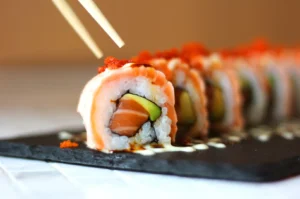
Few Japanese dishes have travelled as successfully across Asia as sushi. What began as a culinary tradition deeply rooted in Japan has evolved into something remarkably diverse in Singapore. Today, sushi in Singapore can mean many different things. It can be a quick lunch grabbed from a conveyor belt restaurant, a carefully curated omakase meal…
-
The Quiet Pull of Lahpet in Myanmar’s Tea Leaf Salad
Dio Asahi | June 10, 2026
The afternoon humidity presses against the open-air teahouse in downtown Yangon, where the sharp clatter of a silver spoon against ceramic cuts through the low hum of conversation. A small plate sits in the centre of a low plastic table, holding a dense, dark green cluster that smells faintly of damp earth and sharp lime….
-
Dining at Suntec: The Restaurants That Feel Like Different Cities in One Mall
Eda Wong | June 9, 2026
Over the past six months, I’ve navigated the sprawling, sometimes disorientating corridors of Suntec City more times than I can count. What started as a simple quest to find decent spots for post-meeting lunches quickly turned into a genuine culinary journey. I have tried over a dozen venues within this massive complex, and I’ve found…
-
PappaRich SG and the Comfort of Malaysian Staple Food: A Restaurant Review in Familiar Flavours
Dio Asahi | June 6, 2026
There is a very specific kind of exhaustion that hits you right before a flight or just after you land. You are dragging your suitcase, staring blankly at the departure boards, and suddenly, you realize you are starving. But you don’t want just any food. You want something warm, familiar, and deeply comforting. I felt…
-
Sri Lanka’s Ambul Thiyal and the Sourness of Goraka
Eda Wong | June 5, 2026
In the open-air kitchen of a coastal home in southern Sri Lanka, a low fire crackles under a wide, unglazed clay pot. The air is thick with the scent of roasted black pepper and something deeply, aggressively tart. A wooden spoon scrapes the bottom of the pot, turning cubes of firm yellowfin tuna until they…
-
Traditional Malaysian Foods Aren’t a Museum: They’re a Living Argument at the Table
Eda Wong | June 4, 2026
When I first really started digging into traditional Malaysian food, I made a classic rookie mistake. I was sitting at a crowded kopitiam in Kuala Lumpur, looking at a plate of nasi lemak, and I thought I understood exactly what it was supposed to be. I thought it was a fixed, rigid recipe, a museum…
-
In Gifu, Hoba Miso Warms Slowly Over Magnolia Leaves
Dio Asahi | June 3, 2026
Frost clings to the wooden window frames in the highlands of Gifu. Inside, the air is thick with the scent of woodsmoke and fermented soybeans. On the table, a small ceramic charcoal grill known as a shichirin radiates a gentle, localized heat. Resting directly above the glowing embers is a large, brittle brown leaf holding…