The mist in Benguet settles low over the pine-studded ridges, carrying the sharp, woody scent of a wood fire. In a quiet backyard in La Trinidad, a small gathering watches as a live chicken is prepared for the pot. The rhythm of a short, thick stick striking the bird’s wings and neck echoes softly, a rhythmic thwack, thwack that feels unsettling to an outsider, yet intensely purposeful to those standing around the hearth. Smoke billows from the charred logs, stinging the eyes, while the mountain air bites at our collars. This is the prelude to a meal that demands you look at exactly where your food comes from, stripping away the sterile convenience of a supermarket aisle.
This is pinikpikan (pronounced pee-nik-pee-kan), the signature chicken soup of the Cordillera mountains in the northern Philippines. At its core, it is a broth made from a chicken that has been lightly beaten with a stick before being butchered. The striking causes blood to coagulate just beneath the skin, tenderising the meat and giving it a distinct, dark bruising that enriches the final soup. After the bird is prepared, its feathers are burned off over an open flame, lending the skin a smoky, charred flavour. It is then boiled slowly in a soot-stained pot with chunks of etag, a salt-cured, air-dried pork that acts as the broth’s salty, umami-laden spine. No elaborate spices are added; the flavour relies entirely on the quality of the meat, the wood smoke, and the slow, rolling boil.
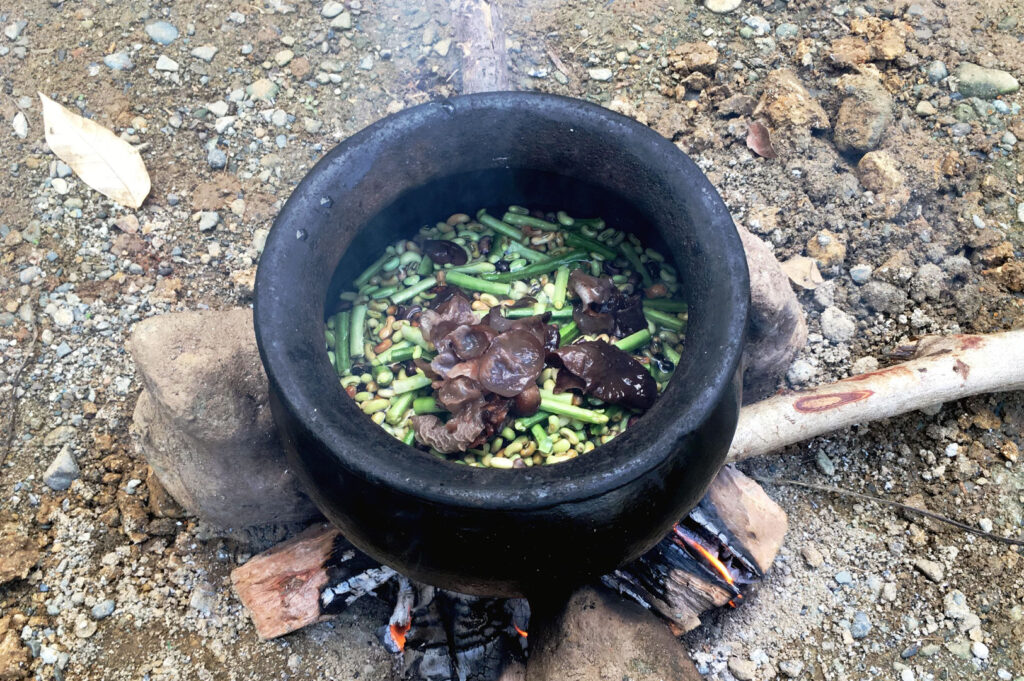
For the Igorot people, pinikpikan is far more than a recipe; it is a vessel for communal care and spiritual consultation. Historically, the ritual of reading the chicken’s bile sac or liver before cooking dictated the timing of harvests, marriages, or travels. Today, even when stripped of formal divination, the act of making the broth remains an exercise in gathering. It signals a homecoming, a celebration, or an offering of comfort to a grieving neighbour. The soup is served in deep bowls, passed from hand to hand around a fire. It is a shared experience that reinforces social bonds, demanding that the community pause, gather the necessary firewood, and participate in the heavy, necessary work of feeding one another.
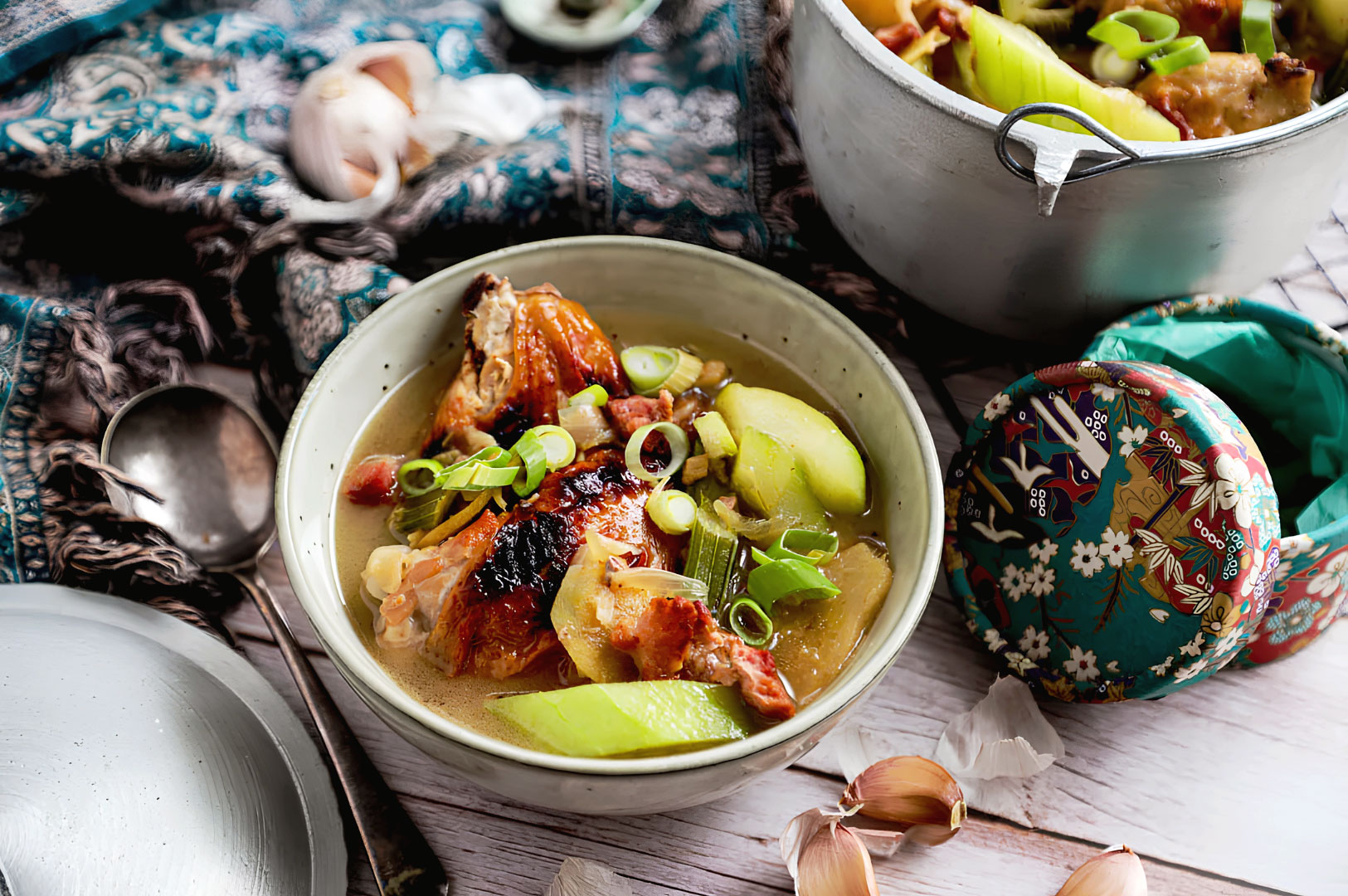
In an era where urban diners increasingly crave authentic, global culinary influences, pinikpikan presents a profound tension between aesthetic appetite and ethical reality. As with so much of what we explore at Eat Drink Asia, the dish asks us to look past trends and sit with the realities that make a tradition meaningful.
Modern food culture champions nose-to-tail eating, yet often recoils at the visceral reality of traditional butchery. This mountain broth challenges the sanitised, plastic-wrapped detachment of city dining. It forces a confrontation with the sacrifice required for sustenance. To eat this dish is to acknowledge the animal’s life, the specific hands that prepared it, and the deep cultural significance embedded in the preparation. It is a brilliant, uncompromising celebration of flavours born from necessity and respect, rather than industrial efficiency.
Holding a warm bowl of the dark, smoky broth, the cold mountain wind feels suddenly manageable. The soup tastes of salt, pine smoke, and survival. It is a quiet reminder that the most sustaining meals are rarely the easiest to witness, but they are often the most honest.

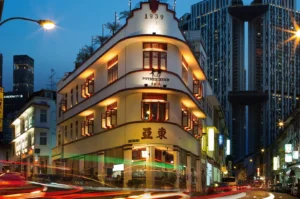
Tong Ah Eating House Review: A Chinatown Breakfast That Still Begins with Kaya Toast
Eda Wong | September 19, 2026
I almost walked past it. I’d been looking for the old triangular building, the red-and-white one you see in every photo of Keong Saik, the one that made Tong Ah feel like a landmark before you’d even ordered anything. But that’s not where it lives anymore. It’s a few doors down now, at 35 Keong…
-
Breakfast at Chinatown Singapore: How Migration Built the City’s Morning Table
Eat Drink Asia Team | September 17, 2026
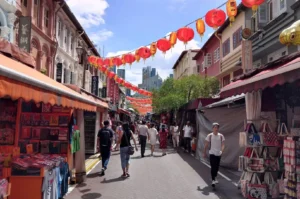
The first time I ate breakfast in Chinatown, I got it wrong. I arrived at eleven, hungry and hopeful, and found the kopi stalls already turning toward lunch. The porridge uncle was packing up. The toast man had switched to slicing char siew. I ate a rushed plate of noodles standing near a pillar, sweating,…
-
The Bitter Leaf Folded Into a Burmese Home Kitchen
Eda Wong | September 16, 2026
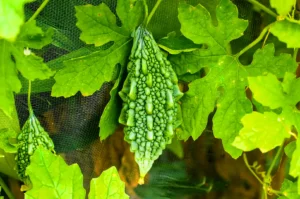
The oil is already hot when she reaches for the leaves. It’s late morning in a kitchen off a quiet lane, and a woman I’ve been watching stands over a blackened wok, tearing bitter gourd leaves by hand into a small heap. The garlic hits the oil first, sharp and loud. Then the leaves go…
-
Best Sushi Singapore: From Premium Japanese Restaurants to Exclusive Deals from Affordable Sushi Trains
Dio Asahi | September 15, 2026
I’ve been eating sushi in this city for years now, from S$1.50 plates rolling past on a belt to omakase counters where the bill made me sit up straight. Somewhere along the way I stopped chasing “the best” and started noticing something else — that good sushi answers a mood, not a ranking. Some nights…
-
Al Mubin Restaurant and the Nasi Goreng Sambal Ayam That Has to Carry the Whole Plate
Eda Wong | September 12, 2026
It was close to eleven at night when I finally sat down. The kind of hour when you’re not really hungry so much as unsettled, when you want something warm in front of you more than you want a proper meal. Al Mubin’s food court at Block 407, Ang Mo Kio Avenue 10, was still…
-
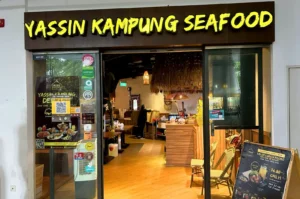
Yassin Kampung Admiralty Review: When Sambal Fried Rice Becomes the Whole Point
Eat Drink Asia Team | September 10, 2026
I ordered the sambal fried rice first, before I’d even properly read the menu. That’s usually a mistake at a place like this. Yassin Kampung @ Admiralty is the kind of restaurant that keeps trying to pull your attention elsewhere — toward stingray, toward crab, toward hotplates that arrive still hissing. But I’d come with…
-
The Bamboo Basket Holding Chiang Mai’s Sticky Rice
Dio Asahi | September 9, 2026
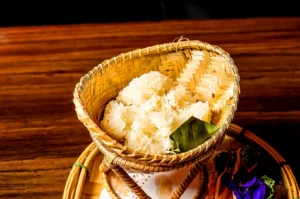
By Dio Asahi for Eat Drink Asia. The lid comes off, and the steam rises first. It’s a warm afternoon in Chiang Mai, and on the table sits a small woven bamboo basket, still holding the heat of the pot it came from. Someone’s grandmother lifts the top and sets it aside without looking. Inside,…
-
Sambal Fried Rice Recipe for People Who Know the Chilli Paste Does the Heavy Lifting
Dio Asahi | September 8, 2026
I used to add the rice too early. The oil would be hot, the sambal barely a minute in, and I’d tip in the cold rice because I was hungry and impatient. Every time, the same result: rice stained red but tasting of nothing much. Sharp. Raw. Flat where it should have been deep. It…
-
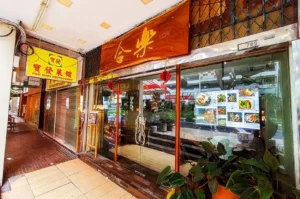
Hup Lok at Havelock Road: A Teochew Fish Soup Carrying Memory Forward
Eda Wong | September 8, 2026
The bowl arrives before anything else does. Steam lifts off it in slow ribbons, carrying the smell of ginger and something warmer underneath: the round, boozy note of hua tiao wine settling into fish. I lean in before I even pick up my spoon. The broth is pale gold and cloudy, thick enough that it…
-
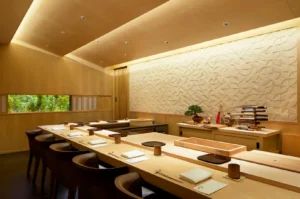
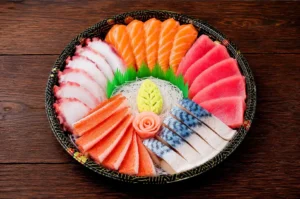
Fresh Sashimi Singapore: Places for Clean Cuts, Quiet Counters, and Fish That Still Feels Alive
Eda Wong | September 5, 2026
I didn’t grow up eating raw fish. For years, sashimi felt like something you learned to appreciate rather than something you loved. Cold, foreign, a little intimidating. Then one afternoon, at a quiet counter, a chef placed a single slice of chutoro in front of me and said nothing. I ate it. And I understood….