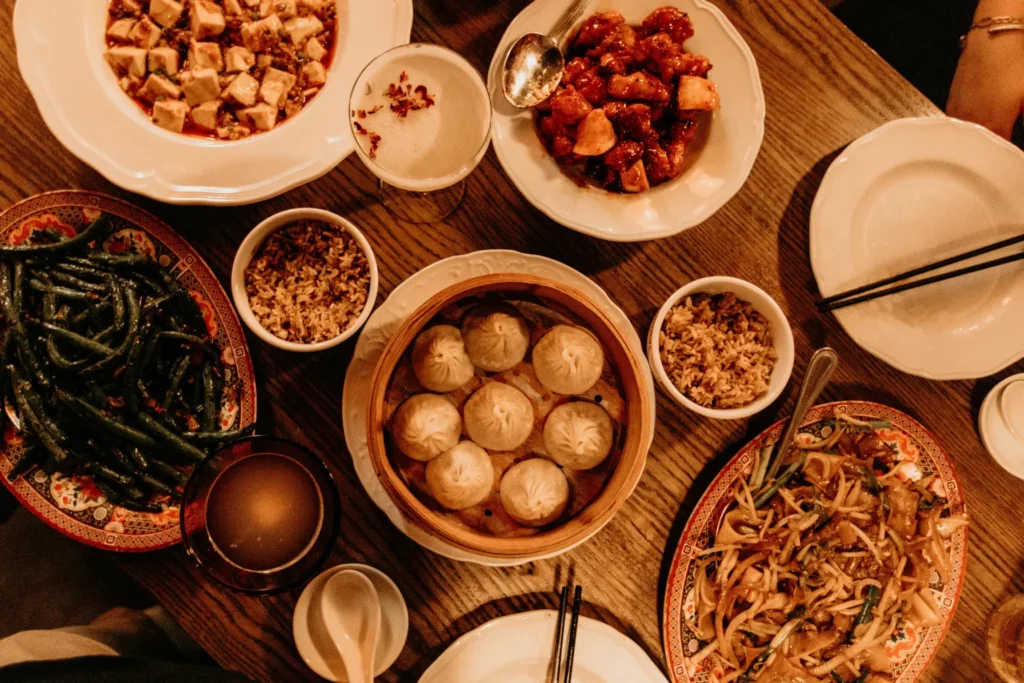
When I first tried to navigate a traditional Cantonese family dinner, I made a spectacularly embarrassing mistake. I sat down, looked at the sprawling, beautifully written menu, and confidently ordered an individual plate of sweet and sour pork just for myself.
The table went completely quiet. My host gently nudged the menu back towards the centre of the table and explained that we would be sharing a steamed fish, some roasted meats, a seasonal vegetable, and a slow-simmered soup. I had fundamentally misunderstood the assignment. I treated a communal ritual like a fast-food transaction.
That awkward moment was the start of a deep, lifelong culinary journey for me. I realised that traditional Chinese food is not just about sustenance. It is a living system of knowledge. Recipes, techniques, and table manners act as a silent language, passing history and affection from one generation to the next.
If you have ever felt intimidated by a bustling Chinese restaurant, or worried about ordering the “wrong” thing, you are not alone. Let us demystify this incredible cuisine and look at how you can confidently experience this celebration of flavours.
What Makes Chinese Food ‘Traditional’? — Understanding Chinese Cuisine and Food Culture
When people ask me what defines traditional food in China, they often imagine something fixed, recipes frozen in time, unchanged since the Qing Dynasty. But that idea has never matched my experience of chinese cuisine.
Tradition, in chinese food culture, is not rigidity. It’s continuity.
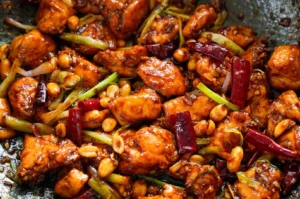
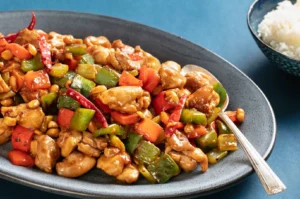
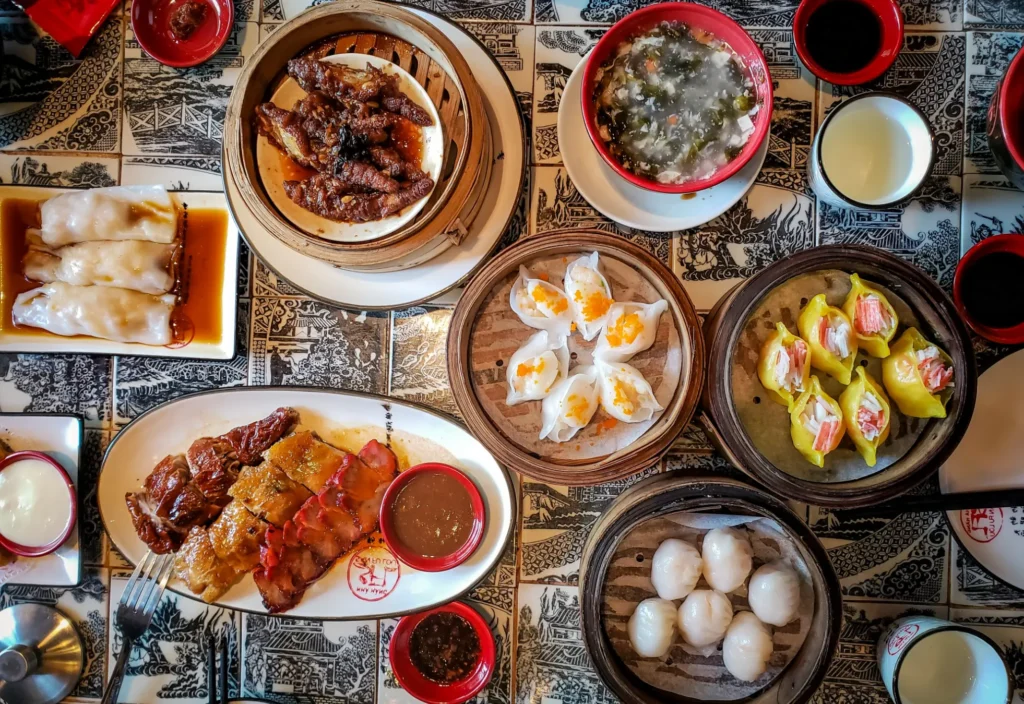
China is vast. What we call chinese food is really a constellation of distinctive dishes shaped by geography, climate, and chinese philosophy. In Sichuan province, heat and numbness from sichuan pepper and chili peppers define the palate, think ma po tofu or kung pao chicken, where spicy sauce and aromatics create a layered intensity. In contrast, cantonese cuisine values clarity and restraint, highlighting the natural sweetness of fresh meat, seafood, and slow-steamed broths.
I remember the first time I tasted a properly made traditional chinese dish in Hong Kong, not drenched in sweet and sour sauce, not aggressively deep fried, but gently seasoned with soy sauce, a touch of sesame oil, and perhaps a splash of shaoxing wine. It tasted… quiet. Balanced. Intentional.
That moment changed how I understood traditional chinese food.
Another misconception is that tradition equals luxury. It doesn’t. A bowl of plain steamed rice, a simple rice bowl topped with minced pork, or a plate of stir-fried greens with garlic carries just as much cultural weight as a banquet royal dish like peking duck with its lacquered crispy skin.
Tradition lives in repetition, not price.
How to Experience Traditional Chinese Food and Chinese Cooking in Context
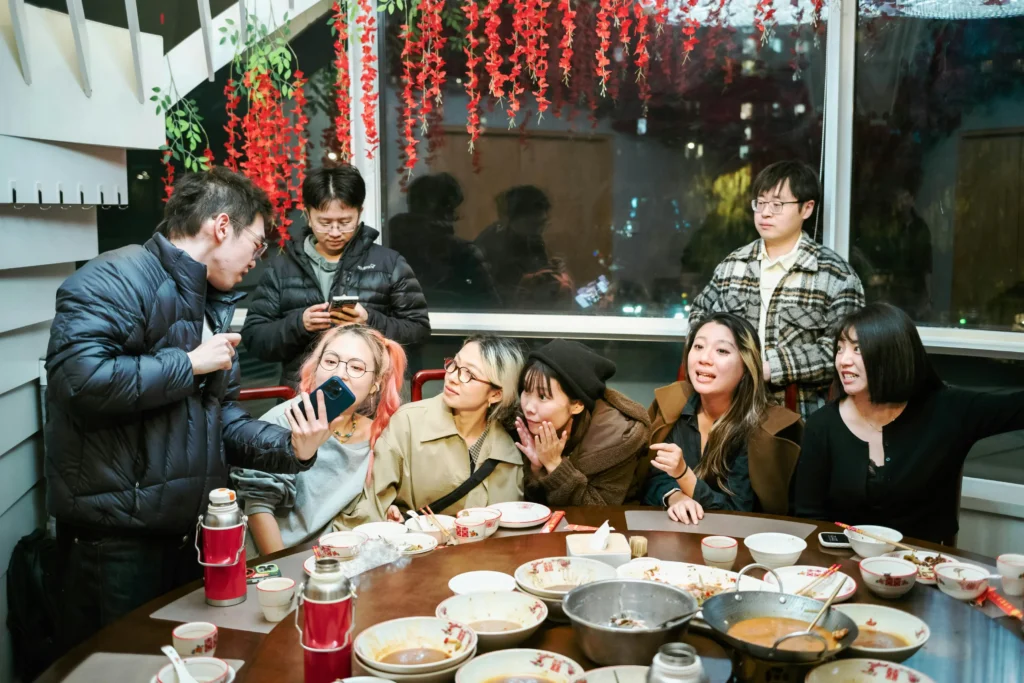
Stepping into a space rooted in chinese gastronomy can feel overwhelming. I remember my first time, staring at a menu filled with unfamiliar names like guilin rice noodles, chinese sausage rice, and various cold dishes, unsure where to begin.
What helped me most was learning to read context before ordering.
1. Understand the Occasion
Not all traditional chinese food is meant for the same moment.
Festival foods carry symbolism. Glutinous rice dumplings (zongzi), filled with pork or bean paste, represent heritage and memory. Glutinous rice balls eaten during festivals symbolize reunion.
Daily meals, however, are simpler, built around a staple food like steamed rice or rice noodles, supported by vegetables, protein, and soup.
Knowing this changes how you approach the table.
2. Choose the Right Setting
You don’t need to travel across mainland china to experience authenticity.
In Singapore, especially, the preservation of chinese culture is visible in everyday dining. Hawker stalls, family-run shops, and heritage restaurants serve dishes rooted in southern china traditions, Teochew porridge, Cantonese soups, Hokkien noodles.
I’ve found some of the most honest meals not in grand dining rooms, but in small stalls serving fried rice, bowls of thin noodles, or plates of pork ribs braised until tender.
These places reflect food culture in motion, not staged, but lived.
3. Order for Balance, Not Individual Plates
One of the biggest shifts for me was understanding that chinese cooking is built around sharing.
A traditional table isn’t about individual mains. It’s about contrast:
- A braised duck or pork belly for richness
- A plate of greens for freshness
- A simple soup grounded in chinese medicine principles
- A staple like steamed rice
I still remember ordering only one dish for myself once, a plate of fried rice, and realizing how incomplete the meal felt. It lacked the rhythm of contrast that defines traditional chinese dining.
4. Observe Before You Eat
There’s a quiet choreography at the table.
Tea is poured for others first. Elders are invited to take the first bite. Chopsticks move toward shared dishes, not guarded plates.
These rituals aren’t formal rules. They’re expressions of chinese food culture, small acts that reinforce respect and connection.
5. Ask Questions — Tradition Is Often Oral
Many recipes in chinese cuisine are not written down.
I once asked how a stall prepared their steamed stuffed bun filling, a mix of minced meat, chinese chives, and seasoning. The owner smiled and said, “Taste and adjust.” No measurements. Just instinct.
That’s how knowledge moves in traditional chinese food, through repetition, memory, and trust in the senses.
Lessons from Real Life: How Traditional Food in China Evolves
What I’ve come to understand is this: tradition survives because it adapts.
Dumplings Across Generations
In northern china, families gather to make chinese dumplings during festivals. The fillings shift, pork, vegetables, sometimes new ingredients, but the folding technique stays constant.
It’s not the exact recipe that matters. It’s the act.
Cantonese Soup and Sensory Knowledge
A friend’s mother once made a double-boiled soup with pork and herbs rooted in chinese medicine. When I asked for the recipe, she laughed.
“You’ll know when it’s ready.”
She meant the aroma, deep, earthy, slightly sweet. That sensory marker replaces any timer.
Street Food and Regional Identity
In places like China’s Yunnan province, bowls of guilin rice noodles or thin noodles served with chili oil, pickled greens, and broth define daily life.
These are not restaurant inventions. They are living expressions of food culture.
Festival Foods That Change but Stay the Same
Take sticky rice dumplings made with glutinous rice. Traditionally filled with pork and egg yolk, modern versions may include mushrooms or even sweet fillings.
The ingredients evolve. The ritual remains.
Where Understanding Often Breaks Down When Exploring Chinese Food Culture
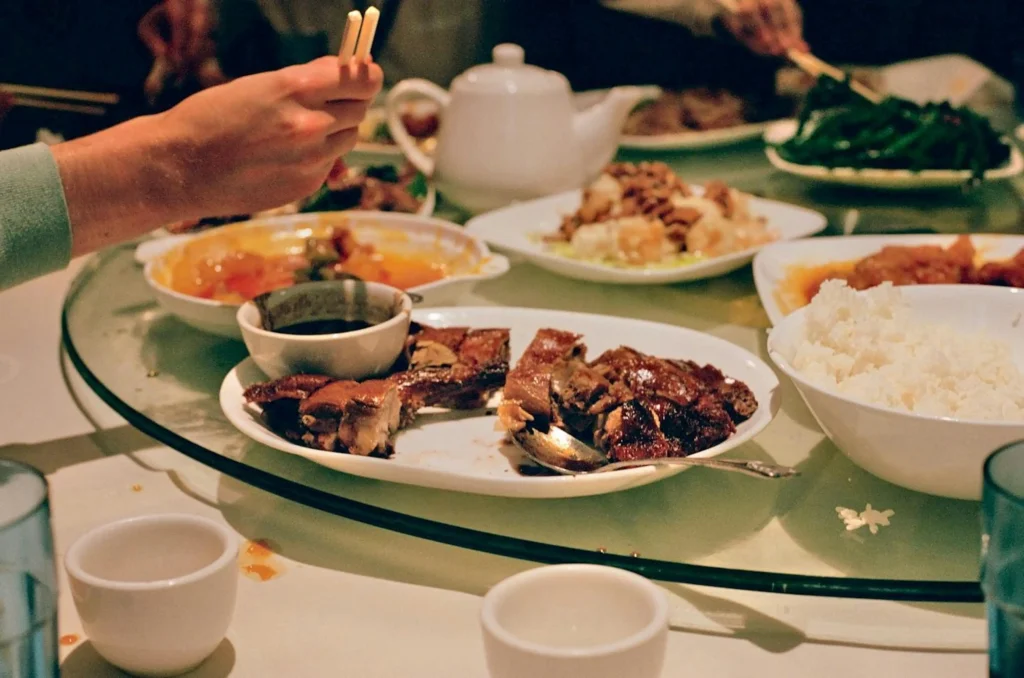
I’ve made these mistakes myself.
- Thinking all Chinese food is heavy or deep fried
Many dishes rely on steaming, poaching, or light stir frying. - Over-relying on familiar sauces
Not everything needs sweet and sour or bottled chili sauce. - Ignoring regional differences
Sichuan food is vastly different from Cantonese cuisine. - Expecting strict authenticity
A slightly modern take doesn’t erase tradition, it often keeps it alive.
Why Traditional Chinese Food Still Matters
The more I experience traditional food in China, the more I realise it isn’t just about recipes.
It’s about continuity.
A bowl of fried rice, a plate of steamed buns, or even something as divisive as stinky tofu carries layers of chinese history, migration, adaptation, survival.
Every dish is a record of how people lived, what they valued, and how they made sense of the world through food.
And that, more than any ingredient or technique, is what makes it traditional.
A Living System of Ingredients, Techniques, and Meaning
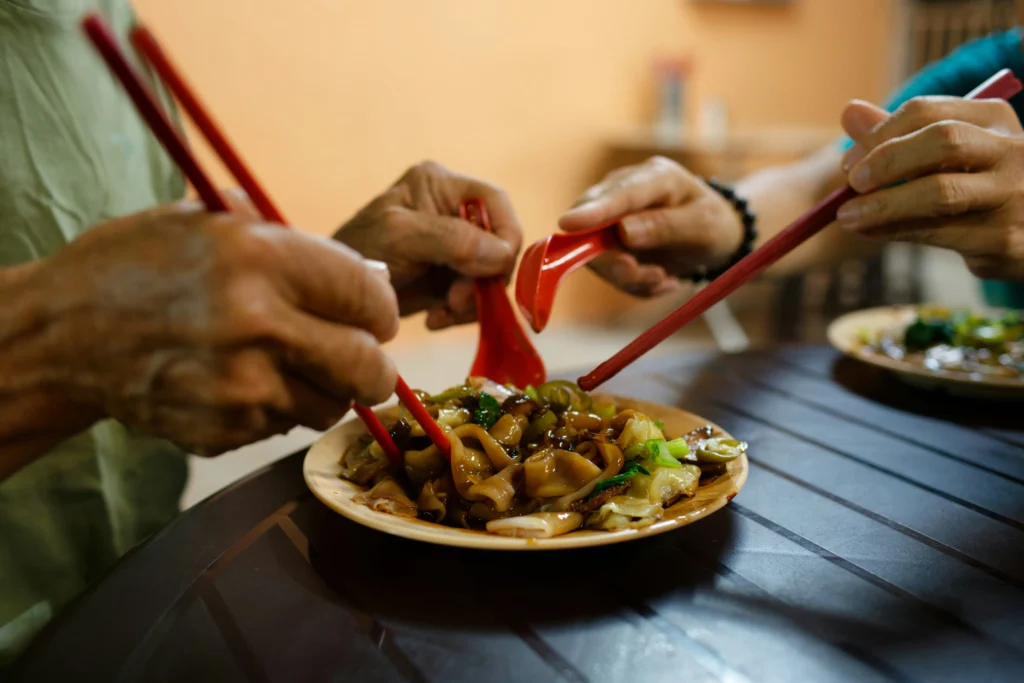
To understand traditional food in China, you have to see it as a system, not just a collection of dishes.
At its core, chinese cuisine is built on relationships between ingredients, technique, and intent. A splash of soy sauce is not just seasoning; it anchors salt and umami. A drizzle of sesame oil adds aroma at the final moment. Shaoxing wine lifts the fragrance of fresh meat, while oyster sauce deepens savoury notes without overwhelming the dish.
Even staple combinations follow this logic. A bowl of steamed rice paired with braised duck or pork belly balances richness with neutrality. Cold dishes, like pickled vegetables or sliced meats dressed in chili oil, provide contrast against heavier plates.
I’ve noticed that many iconic dishes, whether it’s kung pao chicken, ma po tofu, or a simple plate of fried rice, rely less on complexity and more on precision. Heat control, timing, and ingredient quality matter more than elaborate preparation.
This is where chinese cooking connects deeply to chinese philosophy: harmony, balance, and intention.
And once you see that structure, the cuisine stops feeling vast, and starts feeling readable.
On a side note, in Singapore’s vibrant food scene, the concept of a Japanese gastropub offers a modern take on tradition, blending authentic Japanese flavors with a casual, convivial atmosphere.
A Broader Reflection: Embrace the Culinary Journey
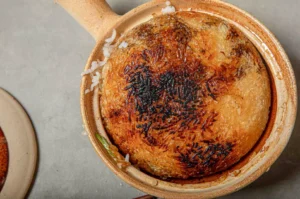
Traditional Chinese food is far more than just what sits on the plate. It is a brilliant, delicious way of communicating across decades. When you sit down to share a steaming bamboo basket of dim sum or a claypot of rice, you are participating in a ritual that has kept families connected through wars, migrations, and the relentless march of time.
The next time you visit a heritage restaurant or a local hawker stall, Eat Drink Asia encourage you to look beyond just filling your stomach. Order a dish you have never tried, share it with someone you care about, and ask the chef about its history. Taste the world of the generations that came before, and enjoy every single bite of the journey.

ABC Hokkien Mee After Renovation: What to Expect When the Woks Return
Dio Asahi | June 27, 2026
When I first walked past a hawker centre undergoing major renovations, the absolute silence unsettled me. The usual rhythmic scrape of metal spatulas against cast-iron woks was gone, replaced by the hum of construction. It made me realise just how much our culinary journeys are tied to the physical spaces we eat in. Right now,…
-
Claypot Rice Crusts: Listening for the First Crackle
Eda Wong | June 26, 2026
The narrow alleyway in Yau Ma Tei smells of charcoal and dark soy sauce, a thick coastal humidity pressing against the glow of the stoves. An elderly cook stands before a row of blackened sand-clay pots, a long metal tong in his right hand. He does not watch the flames; he listens to them. There…
-
Shiok Hokkien Mee and the Pleasure of a Plate That Clings: Tiong Bahru Hokkien Mee at Midday
Eat Drink Asia Team | June 25, 2026
I have always believed that the true test of a neighbourhood’s food scene happens right in the middle of the day. When the midday hunger hits, you don’t want a tasting menu; you want a fast, flavourful culinary journey that hits the spot. That is exactly what led me, representing the Eat Drink Asia team,…
-
When Curry Learns to Breathe
Dio Asahi | June 24, 2026
The rain taps lightly against the glass of a quiet Japanese diner, turning the pavement outside a slick, silver grey. Inside, the bowl arrives with steam first, then colour: pumpkin orange, aubergine purple, and a dark curve of chicken set against a broth that looks too light to carry so much heat. The spoon touches…
-
Hong Heng Fried Sotong Prawn Mee: Where Squid Turns Chewy, Broth Turns Glossy, and Time Turns Quiet
Eda Wong | June 23, 2026
There is something deeply comforting about a hawker centre right before the lunch rush hits. I visited Tiong Bahru Market on a Tuesday around 10:30 am, hoping to beat the infamous queue at Hong Heng Fried Sotong Prawn Mee. Even at that early hour, a line of six people had already formed, waiting quietly under…

Cuppage Plaza Food: Hidden Japanese Restaurants and Dining Gems Near Orchard
Dio Asahi | June 20, 2026
Orchard Road is a brilliant, trend-setting celebration of flavours, but its gleaming mega-malls can sometimes feel a bit predictable. If you are an urban food enthusiast seeking genuine culinary journeys rather than polished franchise menus, the true heart of the district lies slightly hidden. Cuppage Plaza is a fascinating, liminal space that operates almost like…
-
Makgeolli Bowls and the Soft Grain of Korean Rice Wine
Eda Wong | June 19, 2026
The monsoon rain drums a steady, heavy rhythm against the fogged windows of a narrow tavern in Jongno, muffling the chaotic pulse of the city outside. Inside, the air hangs warm, thick with the scent of toasted mung beans and a subtle, yeasty tang. A dented brass kettle tips forward, and a chalk-white, opaque liquid…
-
Kung Pao Chicken Sauce Is the Real Test: Why It Turns Glossy, Sharp, and Addictive
Eat Drink Asia Team | June 18, 2026
Kung pao chicken is often described by its main ingredients: diced chicken, dried chillies, peanuts, spring onions, and Sichuan peppercorns. But anyone who has cooked it at home knows the truth: the dish succeeds or fails because of the sauce. The sauce decides whether kung pao chicken tastes lively and balanced, or flat, sticky, and…
-
Jeju’s Seaweed Soup and the Memory of Birthday Tables
Dio Asahi | June 17, 2026
The sharp winter wind rattles the low stone walls of a Jeju Island kitchen, but inside, the air is thick with steam and the deeply marine scent of boiling kelp. An elderly woman stands by a bubbling steel pot, watching the dark green fronds swell and twist in the rolling water. She adds a splash…
-
Chicken Pao Recipe for People Who Respect Heat: Why Kung Pao Works Only When Timing Is Tight
Eda Wong | June 16, 2026
I remember my first attempt at cooking gong bao ji ding a few years ago. I wanted to recreate that authentic, trend-setting dish I had experienced at a traditional Sichuan restaurant, a meal that felt like a genuine celebration of flavours. I heated my wok until it was smoking, tossed in a handful of dried…