I have always believed that the true test of a neighbourhood’s food scene happens right in the middle of the day. When the midday hunger hits, you don’t want a tasting menu; you want a fast, flavourful culinary journey that hits the spot. That is exactly what led me, representing the Eat Drink Asia team, to a bustling coffeeshop in Tiong Bahru.
I visited on a Wednesday around 11:15 am, just before the lunch rush descended. I had heard whispers online about a pair of Gen Z hawkers serving up a remarkably wet-style Hokkien mee that was drawing serious crowds. Naturally, I had to see if it lived up to the hype.
If you are hunting for an authentic, deeply comforting plate of noodles that clings to every drop of seafood stock, you will want to pay attention. But I’ve got to be honest, if you are a die-hard fan of aggressively dry, smoky wok hei, this might challenge your expectations. Here is exactly what you need to know about Shiok Hokkien Mee.
A Bright, Bustling Coffeeshop Vibe: The Heart of Tiong Bahru Hokkien Mee
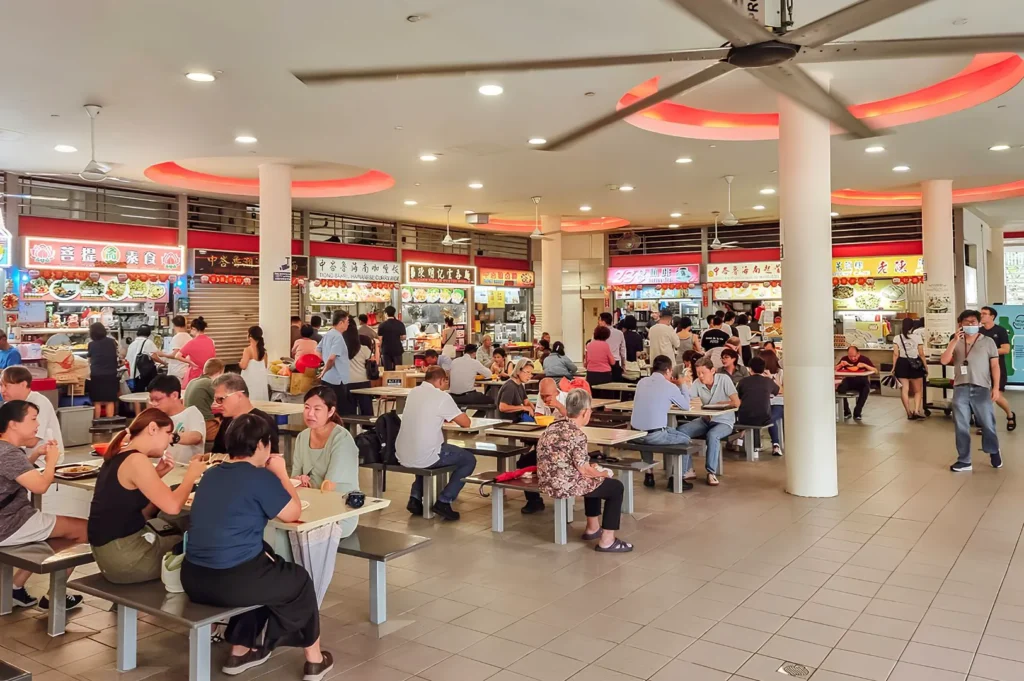
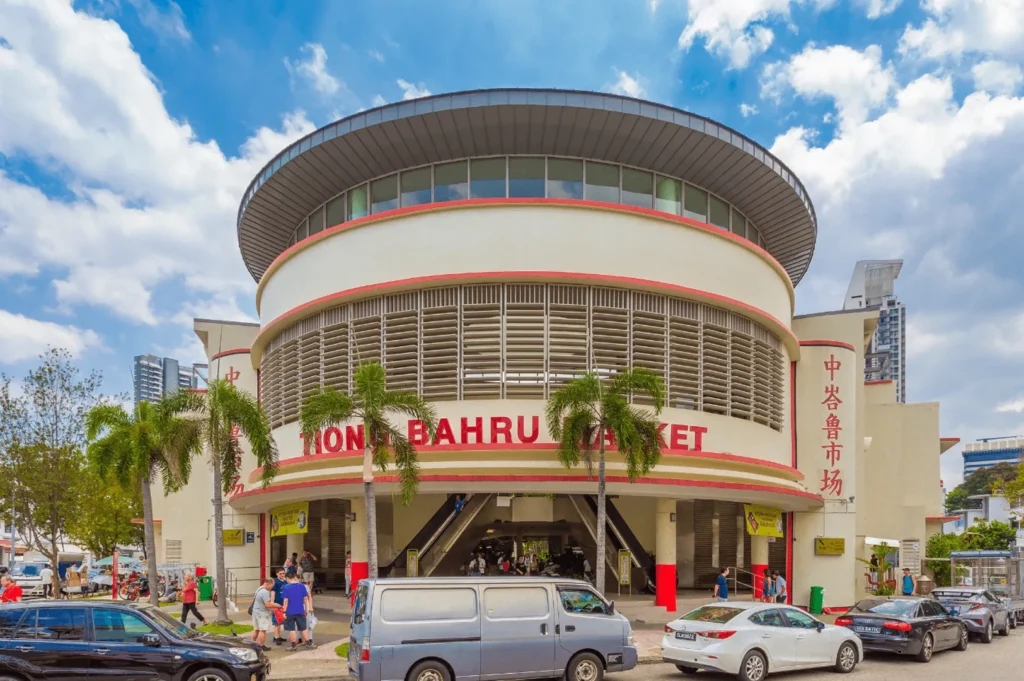
Shiok Hokkien Mee operates out of Food Paradise, a vibrant, everyday coffeeshop nestled at 11B Boon Tiong Road in Tiong Bahru. This well-known hokkien mee stall is incredibly easy to find, just a brief four-minute walk from Tiong Bahru MRT station. As soon as I arrived, I felt the familiar, chaotic energy of a classic Singaporean hawker space, alive with the sizzling sounds and enticing aromas that only a great hokkien mee can bring.
The atmosphere here is wonderfully practical. You are surrounded by bright coffeeshop lighting, the clatter of shared tables, and the relentless, rhythmic scraping of woks fired up with wok hey, that smoky, charred breath of the wok that so many hokkien mee lovers crave. It isn’t a polished restaurant, nor does it try to be; it’s a stall where the focus is on delivering a delicious, tasty plate packed with umami goodness.
The ceiling fans were working hard, but I still felt a bit warm, I’d definitely suggest wearing something light if you plan to visit at noon. I managed to grab a table slightly tucked away from the main walkway. It is a bit tight during peak hours, but that shared experience is just part of the charm of this Tiong Bahru place. Hong Heng Fried Sotong Prawn Mee, another multi-generation hawker stall in Tiong Bahru, offers a similar authentic vibe with its well-loved wet-style noodles and rich seafood flavors, as noted by Eat Drink Asia.
The Dishes at Shiok Hokkien Mee: A Mixture of Tradition and Innovation
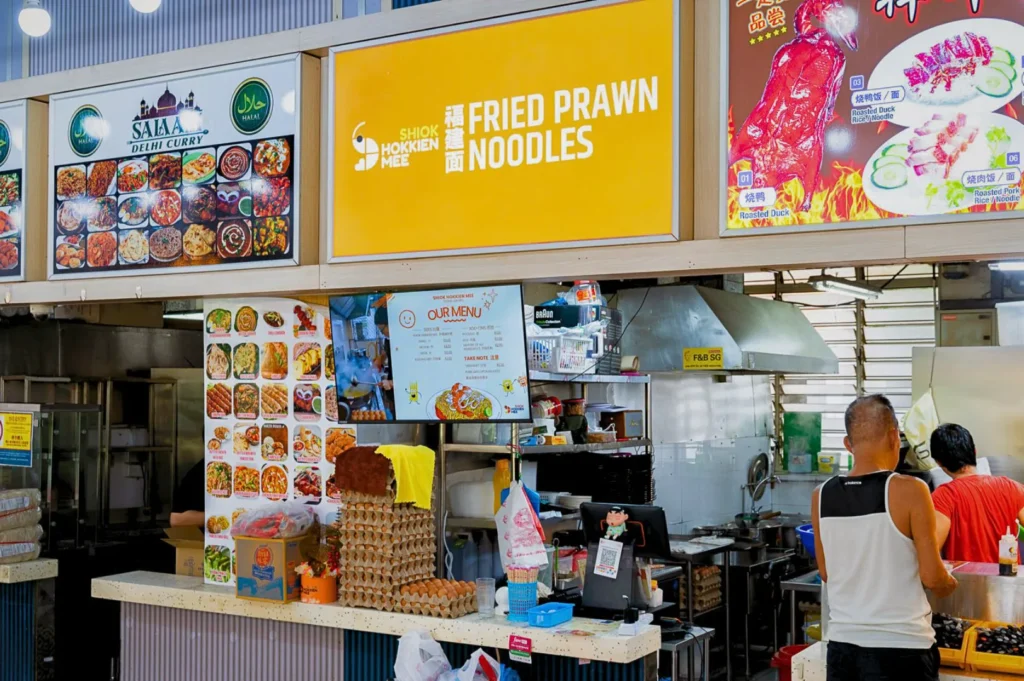
Shiok Hokkien Mee offers a delicious mixture of tender prawns, chewy yellow noodles and bee hoon, and a savory broth that highlights the umami flavors of traditional hokkien mee dishes. The wet hokkien mee here is a sinful yet satisfying dish, especially when topped with crispy pork lard that adds a contrasting crunch.
Shiok Hokkien Mee Signature Dish: A Plate That Clings
I went straight for their signature shiok hokkien mee, ordering the regular $8 portion. You can also get it in $6 or $10 sizes, but the $8 plate felt like the perfect portion to enjoy. When the dish arrived, it looked like a brilliant, glossy mess in the best way possible.
This is firmly a wet-style hokkien mee. The yellow noodles and thin bee hoon were practically swimming in a rich, shiny gravy, infused with a broth simmered overnight to develop deep seafood flavour. I took my first bite before mixing anything in, and the depth of the seafood stock was incredible. The mee absorbed the taste beautifully, ensuring every mouthful was packed with flavour.
The plate came dotted with fresh-tasting prawns, firm little pieces of sotong (squid), and thin strips of pork belly. However, I wished the meat pieces were bigger to add more texture and substance. The wok hey was present but milder than I expected, if you’re after that aggressively dry, smoky char, this might not be the best hokkien for you.
The Innovative Budget Pick: Kosong Mee
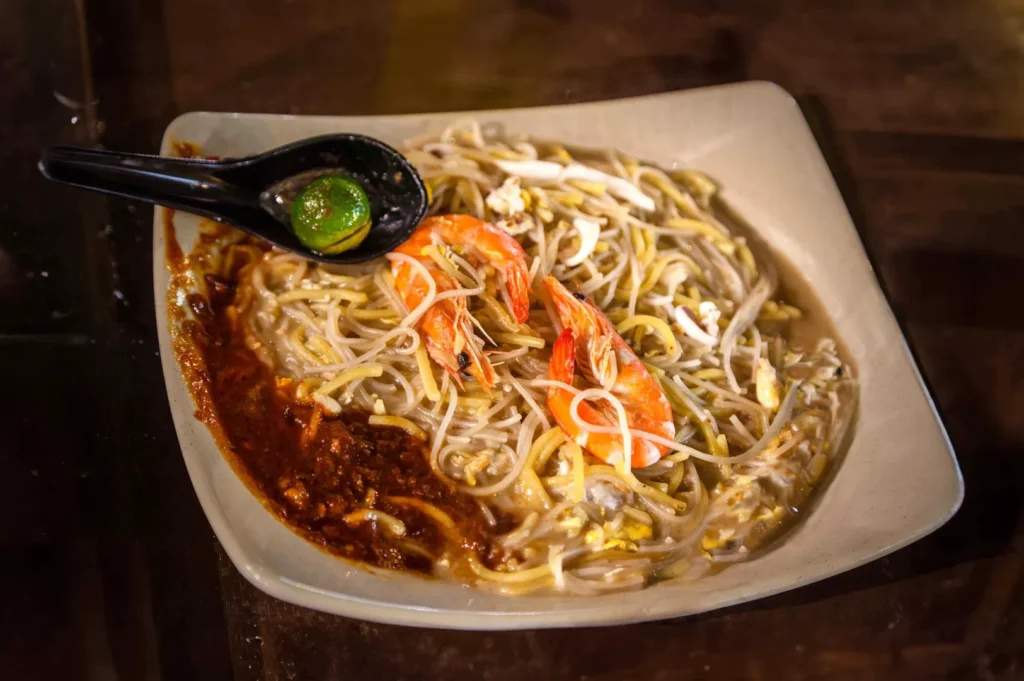
Curious about the buzz online, I also ordered their Kosong Mee ($3.50), a nice innovation in the hawker scene. This dish removes the usual seafood and meat toppings, focusing purely on stir-fried noodles cooked in the same seafood broth and topped with crispy pork lard and a side of house-made chilli.
It’s a smart, value-driven option for those who want the essence of hokkien mee without the heaviness of meat. The crispy pork lard pieces scattered on top provided a pleasant crunch, though I personally prefer my lard a bit more densely fatty. At $3.50, it’s a steal and a fantastic midday carbohydrate hit.
The Magic of the House-Made Chilli and Lime
What truly elevates the dish is the house-made sambal belacan chilli served on the side. This coarse, fiery paste packed with visible chilli seeds adds a sharp, lingering heat that cuts through the richness of the seafood stock and the pork lard. A squeeze of fresh lime over the top brightens the entire plate, balancing the sinful richness with a zesty punch.
Wok this way: Don’t dump the entire spoonful of chilli right away. Start with half, mix it in, and taste. The heat builds gradually, letting you enjoy the full flavour of the broth and noodles without being overwhelmed.
Hawker Efficiency in Action: The Pulse of a Tiong Bahru Hokkien Mee Stall
The service at Shiok Hokkien Mee is exactly what you want from a busy hokkien mee stall. The crew, led by young owners Mitchell and Kendrick, is down-to-earth and highly efficient. There’s no tableside service or lengthy chatting, you join the queue, order, pay, and wait for your buzzer.
Despite their speed, the wait time during peak lunch hours can stretch to 20-30 minutes as office workers and young diners flood the coffeeshop. The queue is a testament to the stall’s growing popularity in the Tiong Bahru area. Similarly, Fortune Centre food establishments offer a diverse range of Singaporean delights, making the area another vibrant spot that best represents Singapore’s rich culinary scene.
Practical Information for Your Visit: Check the Details
If you’re planning your own culinary journey to this Tiong Bahru hokkien mee hotspot, timing is key. Here’s what you need to know:
- Open Tuesday to Sunday, 10:30 am to 8:30 pm; closed Mondays.
- Located at 11B Boon Tiong Road, Singapore 163011.
- Expect to budget between $3.50 and $10 depending on your portion size.
- Public transport is highly recommended; the nearest MRT is Tiong Bahru.
- Parking is limited and stressful during lunch; avoid driving if possible.
- Not halal-certified due to pork lard and pork belly usage.
- Grab a seat near the outer edges of the coffeeshop to avoid the heat of the woks and the bustling queue.
Closing the Chapter on Shiok Hokkien Mee
Shiok Hokkien Mee is a fantastic addition to the Tiong Bahru neighbourhood. It isn’t the smokiest, most aggressively charred plate of noodles in Singapore, but that isn’t the point. It succeeds because it understands the pure, simple pleasure of noodles that hold onto flavour.
This stall is best suited for fans of wet-style Hokkien mee who want to taste a rich, overnight seafood broth. It is also perfect for budget-conscious diners looking to try the innovative Kosong Mee, or anyone interested in supporting young hawkers keeping traditional foods alive.
I’d suggest avoiding it if you absolutely need air-conditioned dining, detest queuing for your lunch, or are strictly looking for a dry, old-school plate packed with intense wok hei.
But if you are in the area and want a highly satisfying, flavourful lunch that won’t break the bank, join the queue. Grab a plate, mix in that fiery sambal, and enjoy a dish that clings quietly, yet brilliantly, to every single expectation.

Traditional Malaysian Foods Aren’t a Museum: They’re a Living Argument at the Table
Eda Wong | June 4, 2026
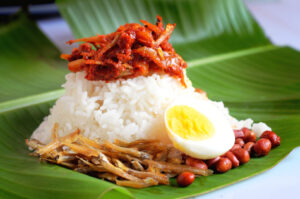
When I first really started digging into traditional Malaysian food, I made a classic rookie mistake. I was sitting at a crowded kopitiam in Kuala Lumpur, looking at a plate of nasi lemak, and I thought I understood exactly what it was supposed to be. I thought it was a fixed, rigid recipe, a museum…
-
In Gifu, Hoba Miso Warms Slowly Over Magnolia Leaves
Dio Asahi | June 3, 2026
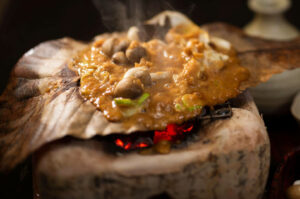
Frost clings to the wooden window frames in the highlands of Gifu. Inside, the air is thick with the scent of woodsmoke and fermented soybeans. On the table, a small ceramic charcoal grill known as a shichirin radiates a gentle, localized heat. Resting directly above the glowing embers is a large, brittle brown leaf holding…
-
The Stir Fried Egg Plant That Taught Me Restraint at Si Chuan Dou Hua Restaurant
Eat Drink Asia Team | June 2, 2026
I’ve always had a love-hate relationship with Sichuan food. Usually, you walk into a spot, order your food, and spend the rest of the night sweating through your shirt, chugging ice water, and wondering why you did this to yourself. But when I visited Si Chuan Dou Hua Restaurant on a Tuesday around 7 pm,…
-
What the Wok Is Really Doing to the Vegetable: The Question Behind Every ‘Brinjal Recipe Chinese Style’
Dio Asahi | May 30, 2026
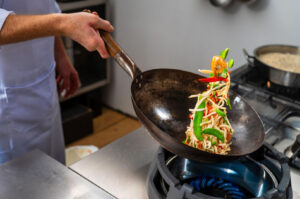
When I first tried cooking brinjal at home, I was completely convinced that all I needed was a hot pan, some oil, and a good recipe. I chopped the vibrant purple vegetable, threw it into a standard frying pan with a generous pour of oil, and waited for the magic to happen. Instead of the…
-
The Clay Pot Rice Crust That Hong Kong Cooks Wait For
Eda Wong | May 29, 2026
The December wind cuts sharply through the narrow alleys of Temple Street, but the ambient heat from the glowing charcoal stoves pushes the chill away. A cook stands before a long row of blackened clay pots, working with a rhythmic, almost meditative focus. Plumes of white steam rise into the night air, carrying the heavy,…
-
The Velvet Logic Behind a Chinese Eggplant Recipe: When ‘Eggplant Recipes Asian’ Means Silk
Eda Wong | May 28, 2026
I vividly remember standing over my stove a few years ago, staring into a wok full of what can only be described as a greasy, grey disaster. When I first tried this dish at home, I assumed that tossing chopped eggplant into a hot pan with a generous glug of cooking oil would naturally yield…
-
Cambodia’s Prahok Pots and the Ferment Beneath the Meal
Dio Asahi | May 27, 2026
The afternoon heat in the outskirts of Phnom Penh settles like a thick blanket over the wooden stilt houses. Underneath the corrugated tin roof of an open-air kitchen, the air carries a heavy, sharp scent that instantly commands attention, a deeply pungent, earthen aroma of crushed fish and salt. An elderly woman sits on a…
-
Heat Has a Shape: Reading the Samyang Spicy Level Like a Flavour Map, Not a Dare
Eat Drink Asia Team | May 26, 2026
When we first tried the notorious Samyang 2x Spicy Buldak noodles, we treated it exactly how the internet told us to: like a dare. We boiled the noodles, poured in every last drop of the blood-red sauce, and braced ourselves. Within three bites, our palates were completely blown out. We could not taste the savoury…
-
313 Somerset Food Crawl: Spots That Turn ‘Quick Shopping Lunch’ Into a Full Day Plan
Eda Wong | May 23, 2026
Over the past three months, I have spent countless weekends navigating the energetic crowds of Orchard Road, determined to map out the ultimate dining itinerary. I must have visited over twenty different eateries in the area, hunting for those brilliant culinary experiences that elevate a standard shopping trip into a true celebration of flavours. Finding…
-
Benguet’s Pinikpikan and the Ethics of Mountain Broth
Eda Wong | May 22, 2026
The mist in Benguet settles low over the pine-studded ridges, carrying the sharp, woody scent of a wood fire. In a quiet backyard in La Trinidad, a small gathering watches as a live chicken is prepared for the pot. The rhythm of a short, thick stick striking the bird’s wings and neck echoes softly, a…