Few Japanese dishes have travelled as successfully across Asia as sushi.
What began as a culinary tradition deeply rooted in Japan has evolved into something remarkably diverse in Singapore. Today, sushi in Singapore can mean many different things. It can be a quick lunch grabbed from a conveyor belt restaurant, a carefully curated omakase meal showcasing premium seafood, or a sushi box delivered straight to your home after a long workday.
This variety is one reason Singapore sushi culture continues to thrive. The city has embraced sushi in ways that make it accessible to almost everyone, regardless of budget or dining preference. From affordable chains such as Sushi Express and Genki Sushi to premium sushi bars focused on craftsmanship and seasonality, there is no single way to experience sushi Singapore. For readers interested in exploring the more luxurious side of Singapore’s sushi culture, discover more.
The result is a dining landscape that feels both distinctly Singaporean and deeply connected to Japanese culinary traditions.
Sushi in Singapore Has Become Part of Everyday Dining
There was a time when sushi was viewed primarily as a special occasion meal. Today, it has become part of everyday dining for many Singaporeans.
Walk through almost any shopping mall and you will likely encounter a sushi restaurant serving everything from nigiri and sashimi to noodles, handrolls, and Japanese desserts. The popularity of Japanese food has transformed sushi from a niche dining experience into something people regularly enjoy for lunch, dinner, or even a quick snack.
This accessibility has helped sushi become woven into daily life. Whether someone is craving salmon sashimi on a Saturday afternoon or ordering a simple sushi box after work, the options are widely available throughout Singapore.
Sushi Express, Genki Sushi and the Rise of Affordable Sushi
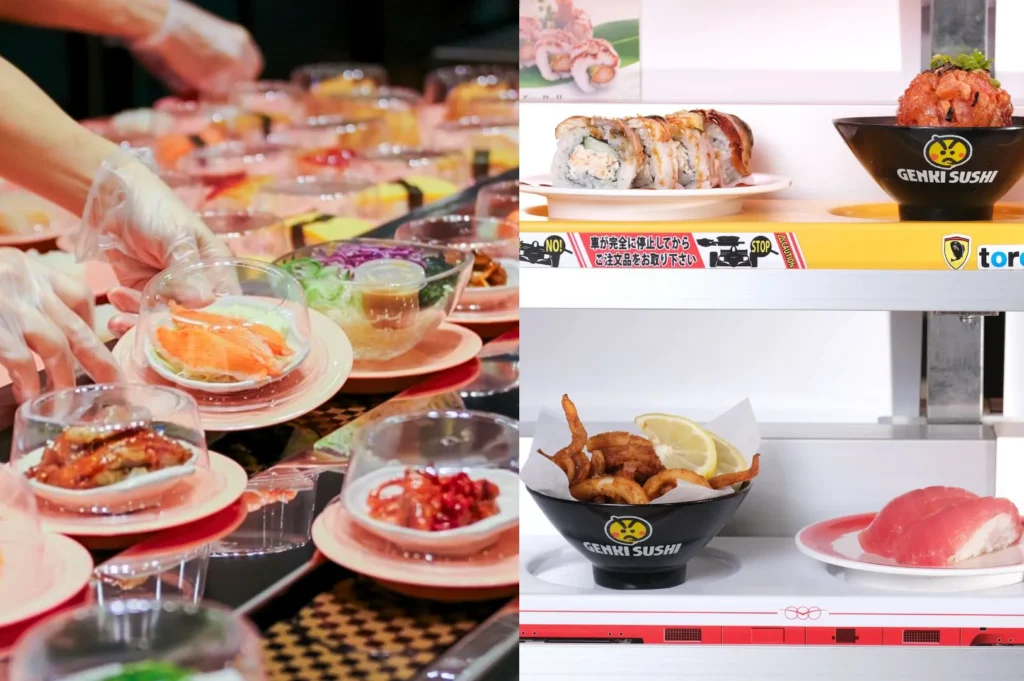
One of the most significant developments in sushi in Singapore has been the rise of affordable sushi chains.
Brands such as Sushi Express and Genki Sushi introduced a format that made sushi approachable for a much broader audience. Conveyor belts, digital ordering systems, and efficient service reduced barriers that once made Japanese dining feel intimidating.
Several factors contributed to their success:
- Affordable pricing
- Convenient locations
- Quick service
- Consistent menu offerings
- Family-friendly dining environments
For many people, these restaurants became their first introduction to sushi. A plate of tuna, salmon, or aburi sushi could be enjoyed without the commitment of a premium restaurant experience.
This shift helped normalise sushi as an everyday meal rather than an occasional luxury.
Itacho Sushi, Sushi Tei and the Middle Ground
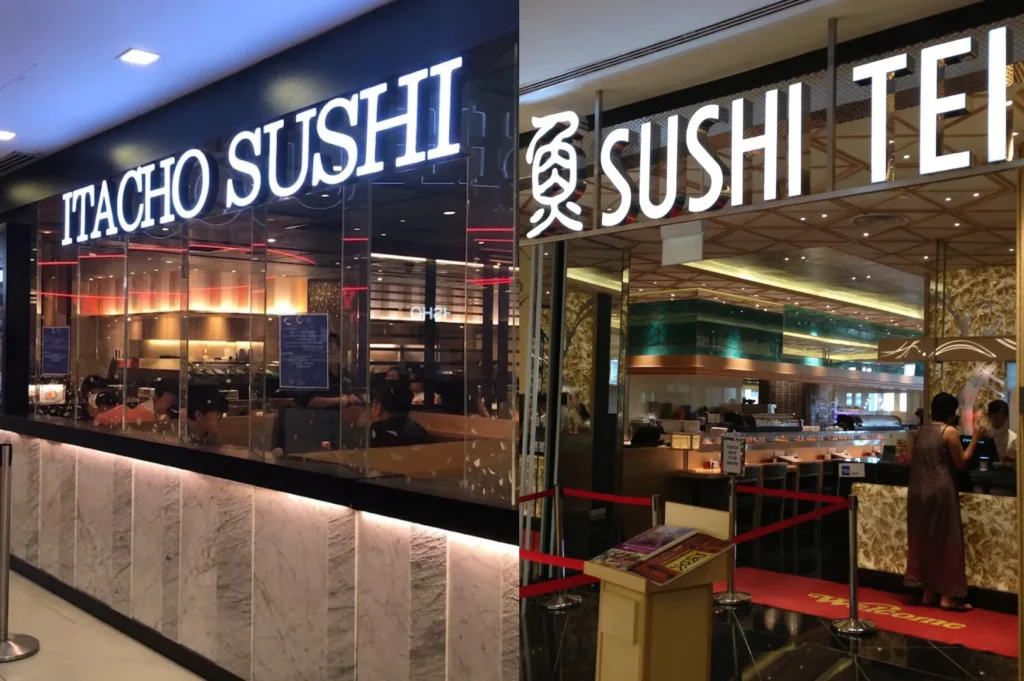
Between affordable chains and luxury omakase experiences sits a category that has become particularly popular among Singapore diners.
Restaurants such as Itacho Sushi and Sushi Tei offer broader menus while maintaining a stronger focus on ingredient variety and dining atmosphere. These restaurants often feature larger selections of sashimi, cooked Japanese dishes, seasonal seafood, and specialty items that appeal to diners looking for more than a quick meal.
Unlike conveyor-belt concepts, these restaurants encourage guests to spend more time exploring different flavours and combinations.
A typical meal may include:
- Fresh sashimi
- Aburi sushi
- Japanese noodles
- Seasonal seafood dishes
- Desserts
- Sake pairings
This middle segment has played an important role in shaping Singapore’s sushi culture by providing a balance between accessibility and quality.
Why Aburi Sushi Has Become So Popular
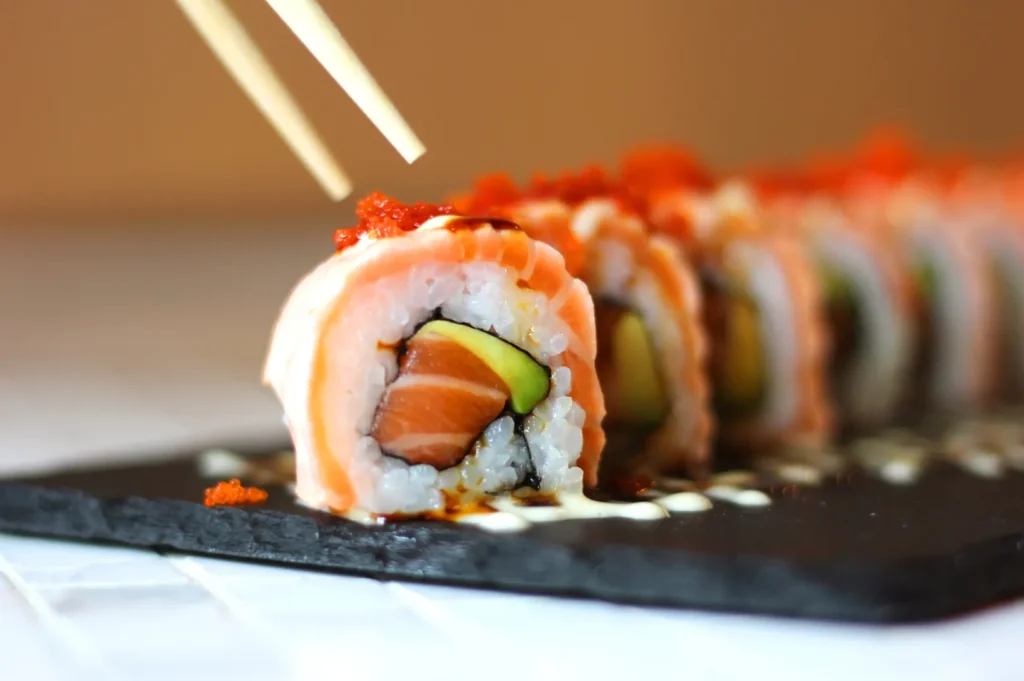
Among the many sushi trends to emerge in Singapore, few have gained as much popularity as aburi sushi.
The technique involves lightly torching the surface of the fish, creating a subtle smokiness while enhancing texture and aroma. For diners who may be hesitant about completely raw fish, aburi offers a comfortable middle ground.
Salmon remains one of the most popular choices, although tuna and other seasonal fish are increasingly featured in aburi preparations.
Its popularity also reflects how Singapore’s dining preferences continue to evolve. Diners often enjoy flavours that are bold, aromatic, and visually appealing. Aburi sushi manages to satisfy all three while remaining rooted in Japanese culinary techniques.
Sushi Bars and Omakase Offer a Different Perspective
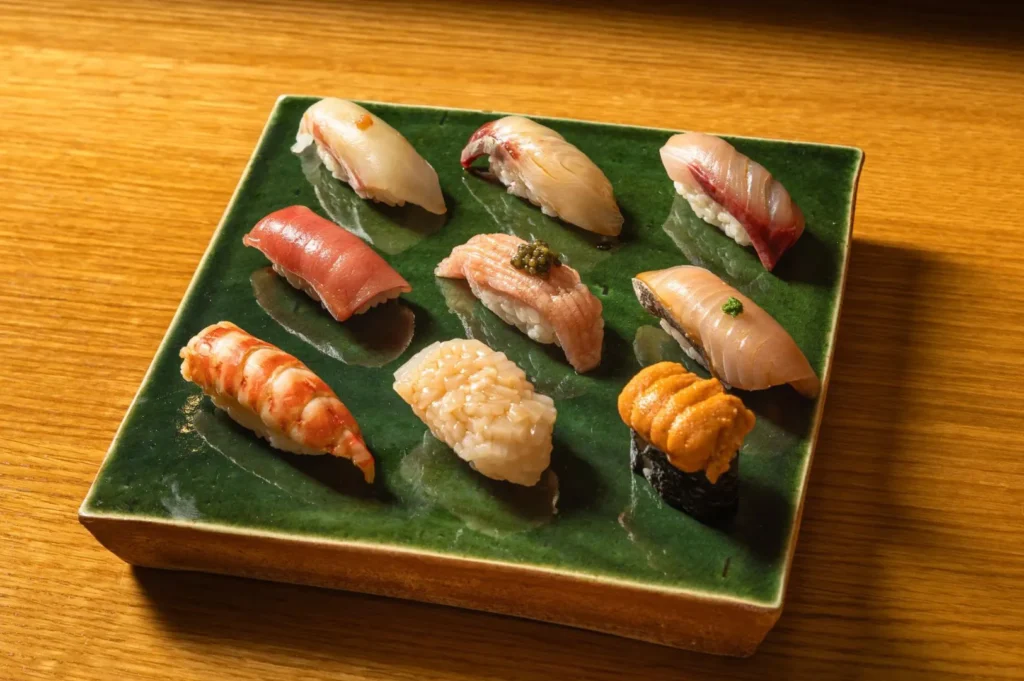
While affordable sushi continues to dominate shopping malls and neighbourhood centres, Singapore has also developed a sophisticated omakase scene.
At a premium sushi bar, the focus shifts from convenience to craftsmanship.
A key aspect of sushi preparation is shari, or sushi rice. While many diners naturally focus on the fish, experienced chefs often view the rice as equally important. The balance of seasoning, texture, and temperature plays a significant role in how the sushi is experienced.
Knife work also becomes increasingly important at this level. Different cuts influence texture, mouthfeel, and flavour release. Premium seafood such as fatty tuna, seasonal fish, and uni are handled with remarkable precision.
The philosophy behind omakase dining revolves around trust. Diners allow the chef to curate a meal based on the freshest seasonal ingredients available that day.
For readers interested in exploring this side of Singapore’s sushi culture further, there are plenty of resources that break down what separates a good omakase experience from a truly exceptional one, especially when exploring the Best Omakase Singapore offers.
From Holland Village to Home Delivery
Another reason sushi remains so popular is its adaptability.
Whether dining in Holland Village, visiting a shopping mall such as JEM, or ordering food at home, sushi fits naturally into a variety of lifestyles.
The growth of sushi delivery services has expanded this flexibility even further. Diners can now enjoy sushi platters, sashimi selections, handrolls, and Japanese dishes without visiting a restaurant.
This convenience has transformed sushi from a destination meal into something that can be enjoyed almost anywhere.
For busy professionals, families, and casual diners alike, the ability to order high-quality Japanese food with ease has become part of sushi’s enduring appeal.
Why Singapore’s Sushi Scene Continues to Thrive
What makes sushi in Singapore unique is not any single restaurant or dining format. It is the sheer diversity of experiences available.
Someone looking for a quick and affordable meal can visit Sushi Express. Another diner seeking a leisurely dinner may choose Itacho Sushi or Sushi Tei. A food enthusiast exploring Japanese culinary craftsmanship may reserve a seat at a premium sushi bar.
All of these experiences exist within the same city, often just minutes apart.
This range reflects Singapore’s broader dining culture: one that values accessibility while continuing to appreciate quality, craftsmanship, and tradition.
As sushi continues to evolve, it remains one of the clearest examples of how a culinary tradition from Japan can adapt, grow, and thrive within a new cultural landscape.
The result is a sushi scene that offers something for nearly every palate, occasion, and budget. For those interested in the broader Japanese dining culture in Singapore, including izakaya, see Eat Drink Asia’s article on Izakaya Singapore Culture for a great complement to the local food scene.

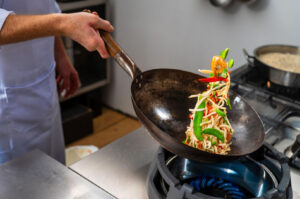
What the Wok Is Really Doing to the Vegetable: The Question Behind Every ‘Brinjal Recipe Chinese Style’
Dio Asahi | May 30, 2026
When I first tried cooking brinjal at home, I was completely convinced that all I needed was a hot pan, some oil, and a good recipe. I chopped the vibrant purple vegetable, threw it into a standard frying pan with a generous pour of oil, and waited for the magic to happen. Instead of the…
-
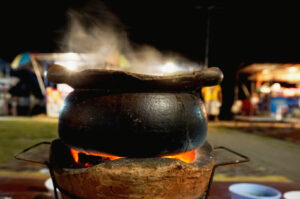
The Clay Pot Rice Crust That Hong Kong Cooks Wait For
Eda Wong | May 29, 2026
The December wind cuts sharply through the narrow alleys of Temple Street, but the ambient heat from the glowing charcoal stoves pushes the chill away. A cook stands before a long row of blackened clay pots, working with a rhythmic, almost meditative focus. Plumes of white steam rise into the night air, carrying the heavy,…
-
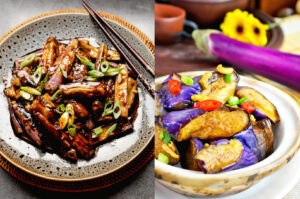
The Velvet Logic Behind a Chinese Eggplant Recipe: When ‘Eggplant Recipes Asian’ Means Silk
Eda Wong | May 28, 2026
I vividly remember standing over my stove a few years ago, staring into a wok full of what can only be described as a greasy, grey disaster. When I first tried this dish at home, I assumed that tossing chopped eggplant into a hot pan with a generous glug of cooking oil would naturally yield…
-
Cambodia’s Prahok Pots and the Ferment Beneath the Meal
Dio Asahi | May 27, 2026
The afternoon heat in the outskirts of Phnom Penh settles like a thick blanket over the wooden stilt houses. Underneath the corrugated tin roof of an open-air kitchen, the air carries a heavy, sharp scent that instantly commands attention, a deeply pungent, earthen aroma of crushed fish and salt. An elderly woman sits on a…
-
Heat Has a Shape: Reading the Samyang Spicy Level Like a Flavour Map, Not a Dare
Eat Drink Asia Team | May 26, 2026
When we first tried the notorious Samyang 2x Spicy Buldak noodles, we treated it exactly how the internet told us to: like a dare. We boiled the noodles, poured in every last drop of the blood-red sauce, and braced ourselves. Within three bites, our palates were completely blown out. We could not taste the savoury…
-
313 Somerset Food Crawl: Spots That Turn ‘Quick Shopping Lunch’ Into a Full Day Plan
Eda Wong | May 23, 2026
Over the past three months, I have spent countless weekends navigating the energetic crowds of Orchard Road, determined to map out the ultimate dining itinerary. I must have visited over twenty different eateries in the area, hunting for those brilliant culinary experiences that elevate a standard shopping trip into a true celebration of flavours. Finding…
-
Benguet’s Pinikpikan and the Ethics of Mountain Broth
Eda Wong | May 22, 2026
The mist in Benguet settles low over the pine-studded ridges, carrying the sharp, woody scent of a wood fire. In a quiet backyard in La Trinidad, a small gathering watches as a live chicken is prepared for the pot. The rhythm of a short, thick stick striking the bird’s wings and neck echoes softly, a…
-
The Quiet Trick Behind Loud Noodles: A Samyang Instant Noodle Recipe Built on Emulsion
Eda Wong | May 21, 2026
When I first tried making Samyang Buldak noodles at home, I expected the fiery heat but was surprised by the watery, separated red oil at the bottom of my bowl. I had boiled the noodles, drained them, and dumped the flavor packets on top, ending with a dry, clumpy mess that burned my throat without…
-
Taiwan’s Iron Egg and the Patience of Soy-Braised Time
Dio Asahi | May 20, 2026
The wind coming off the Tamsui River carries a sharp, saline chill, but the narrow lanes bordering the waterfront offer a different atmosphere entirely. Here, the air is thick with the heavy, sweet-savoury aroma of star anise, cassia bark, and boiling soy sauce. Behind a modest storefront, dark liquid bubbles in massive, dented metal vats….

Not Just ‘Fresh Fish’: The Best Omakase Singapore Has for Storytelling Courses & Seasonal Bites
Eat Drink Asia Team | May 19, 2026
May 19, 2026 | Eat Drink Asia Team | Last Updated September 29, 2026 When you sit at an omakase counter, you’re paying for a culinary journey. A memorable omakase is more than fresh fish; it’s a delicate celebration of flavors. The best chefs act as storytellers, sequencing each bite to build anticipation and contrast, guiding…