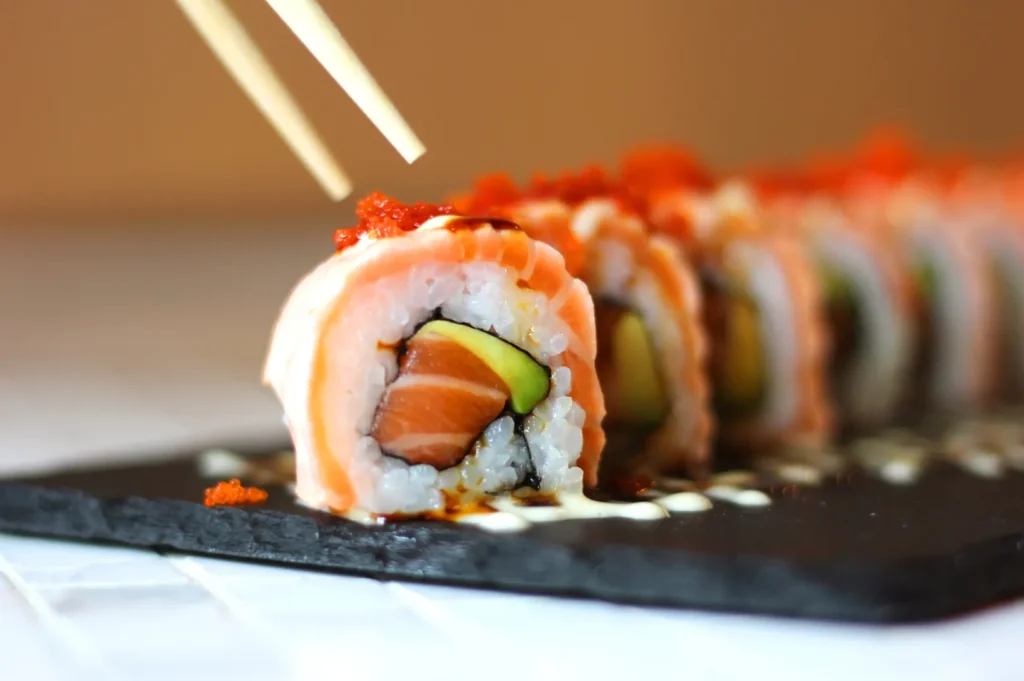
Few Japanese dishes have travelled as successfully across Asia as sushi.
What began as a culinary tradition deeply rooted in Japan has evolved into something remarkably diverse in Singapore. Today, sushi in Singapore can mean many different things. It can be a quick lunch grabbed from a conveyor belt restaurant, a carefully curated omakase meal showcasing premium seafood, or a sushi box delivered straight to your home after a long workday.
This variety is one reason Singapore sushi culture continues to thrive. The city has embraced sushi in ways that make it accessible to almost everyone, regardless of budget or dining preference. From affordable chains such as Sushi Express and Genki Sushi to premium sushi bars focused on craftsmanship and seasonality, there is no single way to experience sushi Singapore. For readers interested in exploring the more luxurious side of Singapore’s sushi culture, discover more.
The result is a dining landscape that feels both distinctly Singaporean and deeply connected to Japanese culinary traditions.
Sushi in Singapore Has Become Part of Everyday Dining
There was a time when sushi was viewed primarily as a special occasion meal. Today, it has become part of everyday dining for many Singaporeans.
Walk through almost any shopping mall and you will likely encounter a sushi restaurant serving everything from nigiri and sashimi to noodles, handrolls, and Japanese desserts. The popularity of Japanese food has transformed sushi from a niche dining experience into something people regularly enjoy for lunch, dinner, or even a quick snack.
This accessibility has helped sushi become woven into daily life. Whether someone is craving salmon sashimi on a Saturday afternoon or ordering a simple sushi box after work, the options are widely available throughout Singapore.
Sushi Express, Genki Sushi and the Rise of Affordable Sushi
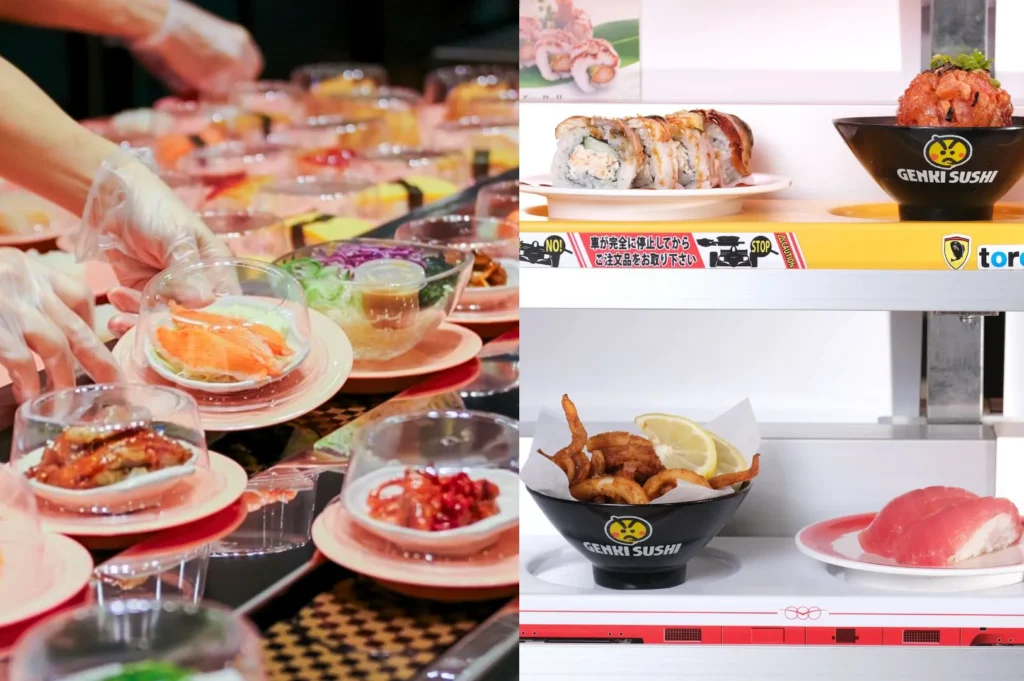
One of the most significant developments in sushi in Singapore has been the rise of affordable sushi chains.
Brands such as Sushi Express and Genki Sushi introduced a format that made sushi approachable for a much broader audience. Conveyor belts, digital ordering systems, and efficient service reduced barriers that once made Japanese dining feel intimidating.
Several factors contributed to their success:
- Affordable pricing
- Convenient locations
- Quick service
- Consistent menu offerings
- Family-friendly dining environments
For many people, these restaurants became their first introduction to sushi. A plate of tuna, salmon, or aburi sushi could be enjoyed without the commitment of a premium restaurant experience.
This shift helped normalise sushi as an everyday meal rather than an occasional luxury.
Itacho Sushi, Sushi Tei and the Middle Ground
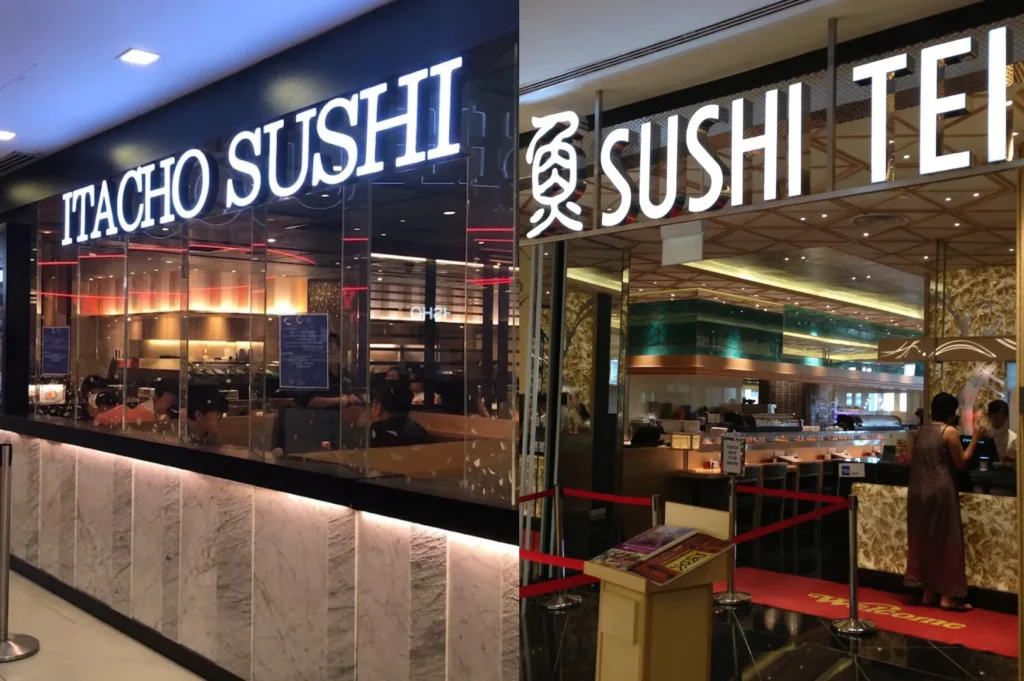
Between affordable chains and luxury omakase experiences sits a category that has become particularly popular among Singapore diners.
Restaurants such as Itacho Sushi and Sushi Tei offer broader menus while maintaining a stronger focus on ingredient variety and dining atmosphere. These restaurants often feature larger selections of sashimi, cooked Japanese dishes, seasonal seafood, and specialty items that appeal to diners looking for more than a quick meal.
Unlike conveyor-belt concepts, these restaurants encourage guests to spend more time exploring different flavours and combinations.
A typical meal may include:
- Fresh sashimi
- Aburi sushi
- Japanese noodles
- Seasonal seafood dishes
- Desserts
- Sake pairings
This middle segment has played an important role in shaping Singapore’s sushi culture by providing a balance between accessibility and quality.
Why Aburi Sushi Has Become So Popular
Among the many sushi trends to emerge in Singapore, few have gained as much popularity as aburi sushi.
The technique involves lightly torching the surface of the fish, creating a subtle smokiness while enhancing texture and aroma. For diners who may be hesitant about completely raw fish, aburi offers a comfortable middle ground.
Salmon remains one of the most popular choices, although tuna and other seasonal fish are increasingly featured in aburi preparations.
Its popularity also reflects how Singapore’s dining preferences continue to evolve. Diners often enjoy flavours that are bold, aromatic, and visually appealing. Aburi sushi manages to satisfy all three while remaining rooted in Japanese culinary techniques.
Sushi Bars and Omakase Offer a Different Perspective
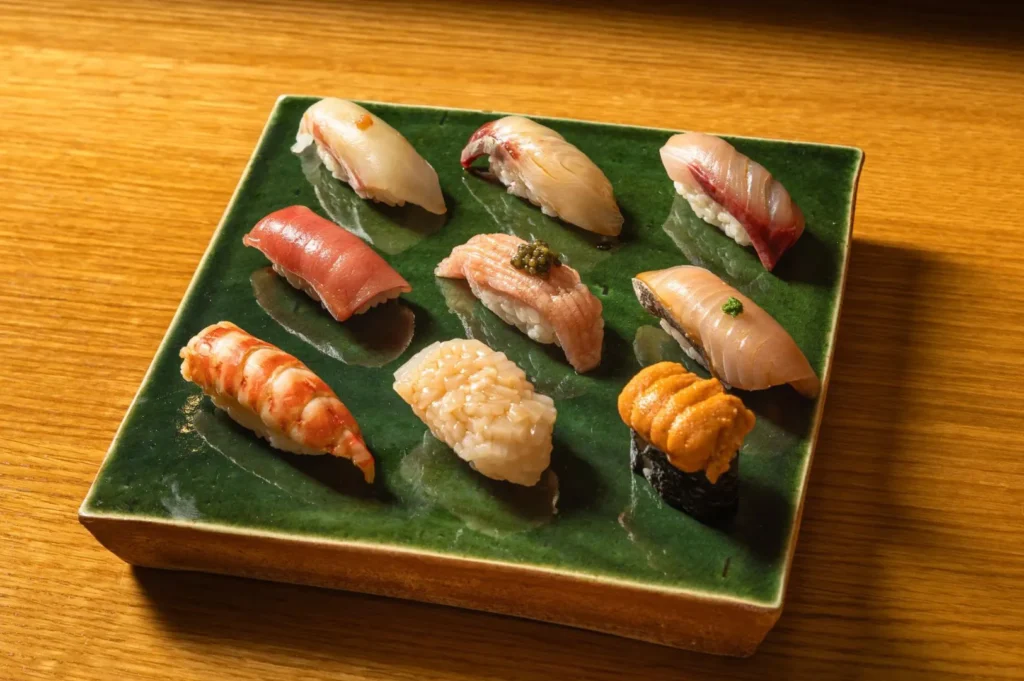
While affordable sushi continues to dominate shopping malls and neighbourhood centres, Singapore has also developed a sophisticated omakase scene.
At a premium sushi bar, the focus shifts from convenience to craftsmanship.
A key aspect of sushi preparation is shari, or sushi rice. While many diners naturally focus on the fish, experienced chefs often view the rice as equally important. The balance of seasoning, texture, and temperature plays a significant role in how the sushi is experienced.
Knife work also becomes increasingly important at this level. Different cuts influence texture, mouthfeel, and flavour release. Premium seafood such as fatty tuna, seasonal fish, and uni are handled with remarkable precision.
The philosophy behind omakase dining revolves around trust. Diners allow the chef to curate a meal based on the freshest seasonal ingredients available that day.
For readers interested in exploring this side of Singapore’s sushi culture further, there are plenty of resources that break down what separates a good omakase experience from a truly exceptional one, especially when exploring the Best Omakase Singapore offers.
From Holland Village to Home Delivery
Another reason sushi remains so popular is its adaptability.
Whether dining in Holland Village, visiting a shopping mall such as JEM, or ordering food at home, sushi fits naturally into a variety of lifestyles.
The growth of sushi delivery services has expanded this flexibility even further. Diners can now enjoy sushi platters, sashimi selections, handrolls, and Japanese dishes without visiting a restaurant.
This convenience has transformed sushi from a destination meal into something that can be enjoyed almost anywhere.
For busy professionals, families, and casual diners alike, the ability to order high-quality Japanese food with ease has become part of sushi’s enduring appeal.
Why Singapore’s Sushi Scene Continues to Thrive
What makes sushi in Singapore unique is not any single restaurant or dining format. It is the sheer diversity of experiences available.
Someone looking for a quick and affordable meal can visit Sushi Express. Another diner seeking a leisurely dinner may choose Itacho Sushi or Sushi Tei. A food enthusiast exploring Japanese culinary craftsmanship may reserve a seat at a premium sushi bar.
All of these experiences exist within the same city, often just minutes apart.
This range reflects Singapore’s broader dining culture: one that values accessibility while continuing to appreciate quality, craftsmanship, and tradition.
As sushi continues to evolve, it remains one of the clearest examples of how a culinary tradition from Japan can adapt, grow, and thrive within a new cultural landscape.
The result is a sushi scene that offers something for nearly every palate, occasion, and budget. For those interested in the broader Japanese dining culture in Singapore, including izakaya, see Eat Drink Asia’s article on Izakaya Singapore Culture for a great complement to the local food scene.

Claypot Rice Crusts: Listening for the First Crackle
Eda Wong | June 26, 2026
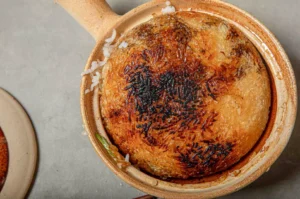
The narrow alleyway in Yau Ma Tei smells of charcoal and dark soy sauce, a thick coastal humidity pressing against the glow of the stoves. An elderly cook stands before a row of blackened sand-clay pots, a long metal tong in his right hand. He does not watch the flames; he listens to them. There…
-
Shiok Hokkien Mee and the Pleasure of a Plate That Clings: Tiong Bahru Hokkien Mee at Midday
Eat Drink Asia Team | June 25, 2026
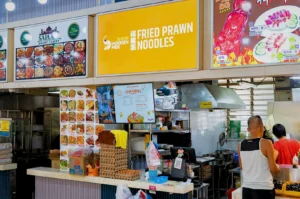
I have always believed that the true test of a neighbourhood’s food scene happens right in the middle of the day. When the midday hunger hits, you don’t want a tasting menu; you want a fast, flavourful culinary journey that hits the spot. That is exactly what led me, representing the Eat Drink Asia team,…
-
When Curry Learns to Breathe
Dio Asahi | June 24, 2026
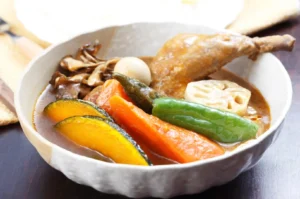
The rain taps lightly against the glass of a quiet Japanese diner, turning the pavement outside a slick, silver grey. Inside, the bowl arrives with steam first, then colour: pumpkin orange, aubergine purple, and a dark curve of chicken set against a broth that looks too light to carry so much heat. The spoon touches…
-
Hong Heng Fried Sotong Prawn Mee: Where Squid Turns Chewy, Broth Turns Glossy, and Time Turns Quiet
Eda Wong | June 23, 2026
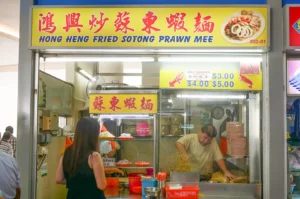
There is something deeply comforting about a hawker centre right before the lunch rush hits. I visited Tiong Bahru Market on a Tuesday around 10:30 am, hoping to beat the infamous queue at Hong Heng Fried Sotong Prawn Mee. Even at that early hour, a line of six people had already formed, waiting quietly under…

Cuppage Plaza Food: Hidden Japanese Restaurants and Dining Gems Near Orchard
Dio Asahi | June 20, 2026
Orchard Road is a brilliant, trend-setting celebration of flavours, but its gleaming mega-malls can sometimes feel a bit predictable. If you are an urban food enthusiast seeking genuine culinary journeys rather than polished franchise menus, the true heart of the district lies slightly hidden. Cuppage Plaza is a fascinating, liminal space that operates almost like…
-
Makgeolli Bowls and the Soft Grain of Korean Rice Wine
Eda Wong | June 19, 2026
The monsoon rain drums a steady, heavy rhythm against the fogged windows of a narrow tavern in Jongno, muffling the chaotic pulse of the city outside. Inside, the air hangs warm, thick with the scent of toasted mung beans and a subtle, yeasty tang. A dented brass kettle tips forward, and a chalk-white, opaque liquid…
-
Kung Pao Chicken Sauce Is the Real Test: Why It Turns Glossy, Sharp, and Addictive
Eat Drink Asia Team | June 18, 2026
Kung pao chicken is often described by its main ingredients: diced chicken, dried chillies, peanuts, spring onions, and Sichuan peppercorns. But anyone who has cooked it at home knows the truth: the dish succeeds or fails because of the sauce. The sauce decides whether kung pao chicken tastes lively and balanced, or flat, sticky, and…
-
Jeju’s Seaweed Soup and the Memory of Birthday Tables
Dio Asahi | June 17, 2026
The sharp winter wind rattles the low stone walls of a Jeju Island kitchen, but inside, the air is thick with steam and the deeply marine scent of boiling kelp. An elderly woman stands by a bubbling steel pot, watching the dark green fronds swell and twist in the rolling water. She adds a splash…
-
Chicken Pao Recipe for People Who Respect Heat: Why Kung Pao Works Only When Timing Is Tight
Eda Wong | June 16, 2026
I remember my first attempt at cooking gong bao ji ding a few years ago. I wanted to recreate that authentic, trend-setting dish I had experienced at a traditional Sichuan restaurant, a meal that felt like a genuine celebration of flavours. I heated my wok until it was smoking, tossed in a handful of dried…
-
A Shu Yan Sichuan Cuisine Review Written in Pepper and Smoke: Chicken Pao That Wakes Up the Table
Dio Asahi | June 13, 2026
I used to think of authentic Sichuan food as a sheer test of endurance. For a long time, I assumed the goal was simply to survive the fiery onslaught of chillies rather than actually taste anything. But my recent culinary journey at Shu Yan Sichuan Cuisine completely rewired how I understand this region’s flavour map….